
Bootstrapping a Serverless Web App on AWS

Got a project?
Let's discuss your project
Introduction
When you’re building a product from scratch, every decision counts. Resources are limited, timelines are short, and infrastructure overhead can quickly kill momentum. This is why bootstrapping your application on a serverless stack can be a game-changer - especially with AWS, which offers a rich ecosystem of managed services that let you focus on building features, not servers.
Serverless is often misunderstood. It doesn’t mean there are no servers - it means AWS manages the servers, scaling, and availability for you. You only pay for what you use, which is ideal when traffic is unpredictable, and every dollar matters.
Starting with the Backend
When bootstrapping, simplicity is your friend. On AWS, Lambda is your natural starting point. With Lambda, you can write your application logic in small, stateless functions that respond to events like HTTP requests, file uploads, or database changes. There’s no need to provision servers or worry about scaling - Lambda handles that automatically.
To expose these functions to users, pair Lambda with API Gateway. This combination allows you to create RESTful or HTTP APIs quickly, with minimal configuration. You can deploy new endpoints in minutes and iterate without worrying about load balancers or infrastructure scaling. For rapid bootstrapping, this setup alone can power a fully functional API-driven backend.
Choosing Your Database
When it comes to storing data, AWS provides multiple managed options depending on your needs. If your application is schema-flexible and needs to scale effortlessly, DynamoDB is a solid choice. Its single-table design can accommodate multiple access patterns, and it integrates seamlessly with Lambda.
If you prefer relational data, Aurora Serverless offers MySQL or PostgreSQL compatibility, automatically scaling based on usage without the operational overhead of managing a database cluster.
Authentication and User Management
Handling user authentication is often a time sink, but AWS makes it easy with Cognito. Cognito supports sign-up, sign-in, social logins, and token-based authentication. It also integrates with API Gateway and Lambda, letting you enforce authorization without writing your own auth system.
For a bootstrapped startup, this saves weeks of development time while keeping security best practices intact.
Storage and File Handling
Most modern apps need to handle file uploads, whether images, documents, or logs. S3 is AWS’s go-to storage solution. With S3, you can store files securely, trigger Lambda functions on upload events, and even serve files globally through CloudFront for low-latency delivery.
Imagine a user uploads a profile picture, and Lambda automatically generates multiple resolutions and stores them - all without touching a server.
Event-Driven Processing
Serverless shines when you adopt event-driven architectures. AWS provides SQS for simple queue-based workflows and EventBridge for more complex event routing.
Let's Build Something Great Together
Ready to transform your idea into a powerful software solution? Talk to our experts and get a free consultation.
Contact Us
For example, a user action in your app could trigger multiple downstream processes: sending a welcome email, logging analytics, and updating a dashboard - all orchestrated asynchronously, keeping your APIs responsive.
Keeping Costs Low
Bootstrapping isn’t just about speed - it’s about efficiency. One of the biggest advantages of AWS serverless services is that you pay for what you use. Lambda, API Gateway, DynamoDB, S3 - all are priced per request, per storage unit, or per execution.
To control costs, keep functions short, batch operations where possible, and monitor usage through CloudWatch. You can set up basic dashboards to track invocations, errors, and latency, helping you avoid surprises.
Iterating Quickly
The beauty of bootstrapping with AWS serverless is the ability to iterate without friction. Need a new API endpoint? Add a new Lambda function. Want to process new events? Attach another trigger in EventBridge.
This agility allows you to test features, learn from users, and pivot without being held back by infrastructure concerns.
Putting It All Together
When bootstrapping a serverless application on AWS, your stack might look like this:
- Lambda for compute and business logic
- API Gateway for exposing APIs
- DynamoDB or Aurora Serverless for data storage
- Cognito for authentication
- S3 + CloudFront for file storage and delivery
- SQS/EventBridge for asynchronous workflows
- CloudWatch for monitoring and observability
This combination gives you a fully managed, scalable, and low-cost platform to start shipping features immediately. It’s not about building a perfect architecture - it’s about building fast, learning quickly, and iterating confidently.
Final Thoughts
Bootstrapping a serverless app on AWS isn’t just a technical choice - it’s a strategic one. By leveraging Lambda, DynamoDB, Cognito, and the wider AWS ecosystem, you can focus on your product, reduce operational overhead, and scale effortlessly as your user base grows.
Start simple, iterate fast, and let AWS handle the undifferentiated heavy lifting.
From ETL to ELT: The Evolution of Data Pipelines in Modern Analytics
How and why data pipeline architecture evolved from ETL to ELT.
Read More
Bridge View Hybrid: A Smarter Path to Bringing Web Apps to Mobile
Learn how the Bridge View Hybrid architecture uses a React Native shell and WebView to launch iOS and Android apps faster, cheaper, and with less risk.
Read More
10 AI Prompts Every Manual Tester Should Have in Their QA Toolkit
Discover 10 practical AI prompts manual testers can use to improve test coverage, find edge cases, analyze bugs, strengthen regression testing, and become more effective QA engineers.
Read More
The Website Accessibility Revolution: Why You Can't Afford to Ignore WCAG 2.2
Website accessibility starts with WCAG 2.2. Learn how accessible design, development, QA, and testing can help create websites that work for everyone.
Read More
Race Conditions in Web Applications: Why Correct Code Produces Wrong Results
Race conditions silently corrupt data when concurrent requests touch shared state at the wrong time. Learn how atomic updates, transactions, idempotency, and locking keep your application correct under real concurrency.
Read More
AI Writes the Code • Stop Blindly Shipping It Without Reviewing the Engineering
A practical perspective on AI-generated code, scalability, maintainability, and engineering judgment and why engineering review still owns the final decision.
Read More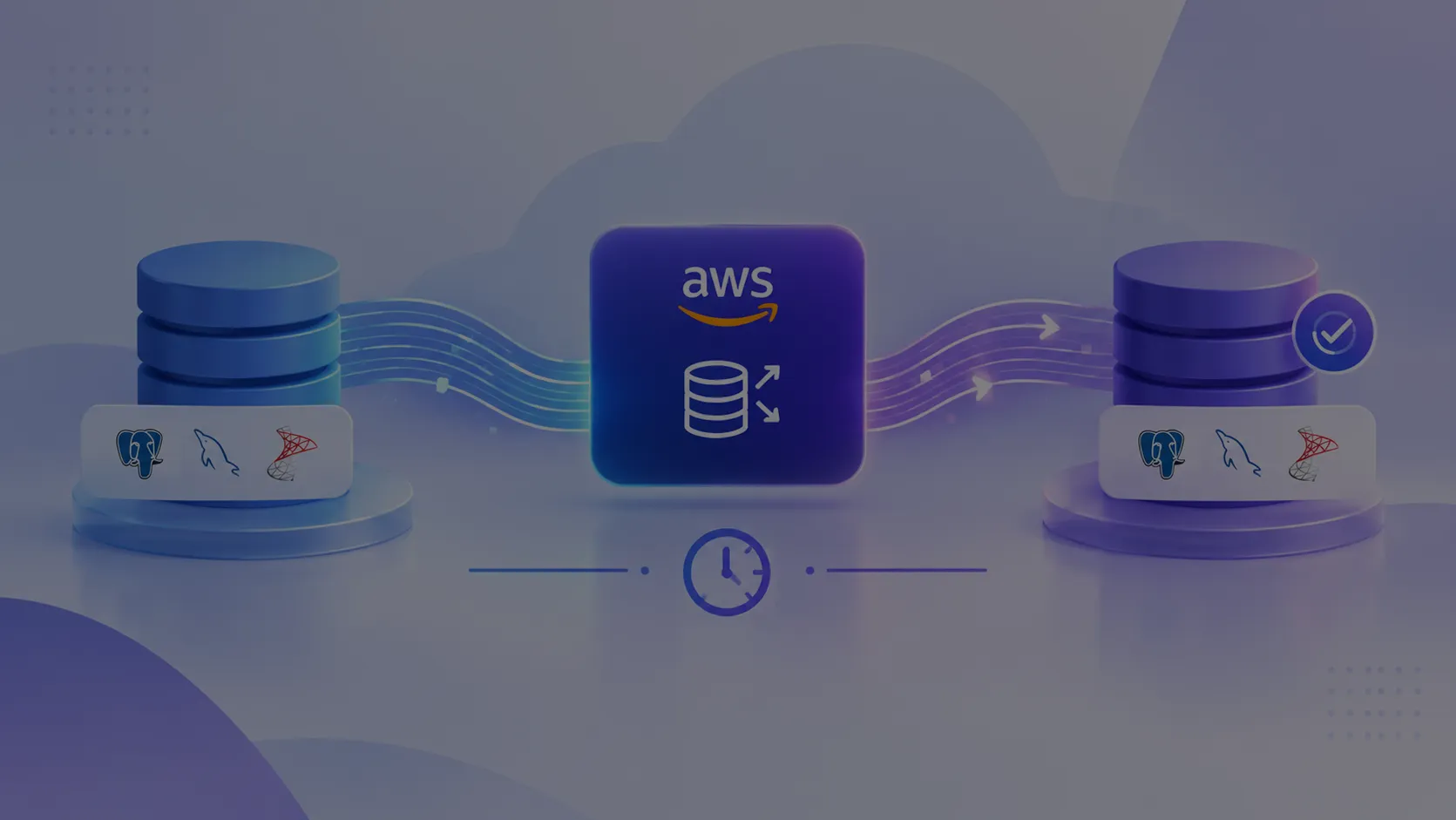
Migrating Databases with AWS DMS With Nearly Zero Downtime
Learn how to migrate databases using AWS DMS with nearly zero downtime using Full Load, CDC, validation, monitoring, and controlled cutover.
Read More
How to Add LiveKit Video Calling to a Next.js App
Add embedded video & audio calling to Next.js with LiveKit Cloud. Compared vs Twilio, Daily, Agora, Zoom — plus token auth, guests & recording.
Read More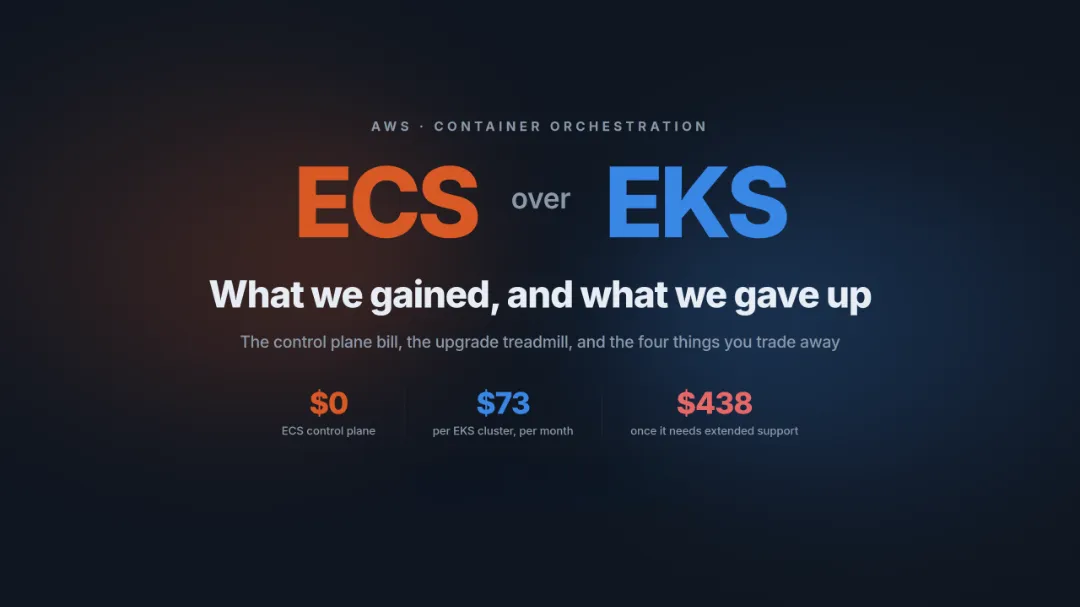
We chose ECS over EKS: what we gained and what we gave up
An honest comparison of ECS vs EKS the costs, tradeoffs, and real-world reasoning behind choosing ECS for a production platform on AWS.
Read More