DeepSeek: Transforming AI Through Open-Source Innovation

Introduction
DeepSeek has rapidly emerged as a groundbreaking force in the artificial intelligence (AI) industry, offering open-source models that challenge proprietary AI systems in performance, accessibility, and cost-efficiency. DeepSeek-V3 is an Open-Source 671B parameter Mixture-of-Experts (MoE) model with 37B activated parameters per token. It features innovative load balancing and multi-token prediction, trained on 14.8T tokens. The model achieves state-of-the-art performance across benchmarks while maintaining efficient training costs of only 2.788M H800 GPU hours. It incorporates reasoning capabilities distilled from DeepSeek-R1 and supports a 128K context window. From its origins to its latest innovations like DeepSeek-V3 and DeepSeek-R1, this blog provides a deep dive into DeepSeek’s history, technical advancements, API access, pricing, and comparisons with other open-source models.
History of DeepSeek
DeepSeek was founded by Liang Wenfeng, a tech visionary from China with a background in AI-driven stock market investments. His success with High-Flyer Quant allowed him to invest in high-performance AI hardware, such as Nvidia GPUs, ultimately leading to the creation of DeepSeek. By 2023, DeepSeek introduced AI models that rivaled leading proprietary models while adhering to a philosophy of open access and fair pricing.
DeepSeek Model Family
DeepSeek-V3: The Mixture-of-Experts Model
DeepSeek-V3 is a state-of-the-art Mixture-of-Experts (MoE) language model featuring 671 billion total parameters, with 37 billion activated per token. Key innovations in DeepSeek-V3 include:
- Multi-Head Latent Attention (MLA): A novel mechanism improving inference efficiency.
- DeepSeekMoE Architecture: Enhances cost-effective training through specialized experts.
- Multi-Token Prediction (MTP): Improves performance by pre-planning representations.
- Efficient Training: Pre-trained on 14.8 trillion high-quality tokens with 2.788M H800 GPU hours.
- Supervised Fine-Tuning (SFT) and Reinforcement Learning (RL): Optimizes reasoning, factuality, and alignment with human preferences.
Despite its immense scale, DeepSeek-V3’s training cost was just $5.576 million, significantly lower than many proprietary models.
DeepSeek-R1: Reinforcement Learning for Reasoning
DeepSeek-R1 is a specialized reasoning model trained purely through Reinforcement Learning (RL) without relying on supervised fine-tuning (SFT). Key highlights:
- DeepSeek-R1-Zero: Developed through pure RL, achieving strong reasoning capabilities.
- DeepSeek-R1: An enhanced version with a multi-stage training process incorporating a small amount of cold-start data.
- Performance: Achieves 79.8% Pass@1 on AIME 2024, surpassing OpenAI-o1-1217.
- Distillation: Smaller models (1.5B, 7B, 8B, 14B, 32B, 70B) derived from DeepSeek-R1 outperform many open-source counterparts.
DeepSeek-R1 showcases how reinforcement learning alone can unlock advanced reasoning capabilities, setting a new standard for future AI research.
API Access
DeepSeek provides a robust API for developers, enabling seamless integration into applications for various AI tasks such as text generation, code completion, and reasoning.
To use DeepSeek’s API, developers must obtain an API key and use the following base URLs:
- Base URL: https://api.deepseek.com
- OpenAI-Compatible API: platform.deepseek.com
- Getting Started with the DeepSeek API : API Key
Example API call using python:
1import requests23 # Please install the OpenAI SDK first: pip3 install openai45 from openai import OpenAI67 client = OpenAI(api_key="<DeepSeek API Key>", base_url="https://api.deepseek.com")89 response = client.chat.completions.create(10 model="deepseek-chat",11 messages=[12 {"role": "system", "content": "You are a helpful assistant"},13 {"role": "user", "content": "Hello"},14 ],15 stream=False16 )1718 print(response.choices[0].message.content)
Pricing & Billing
DeepSeek follows a pay-per-token pricing model. The following are the pricing details for DeepSeek’s models:
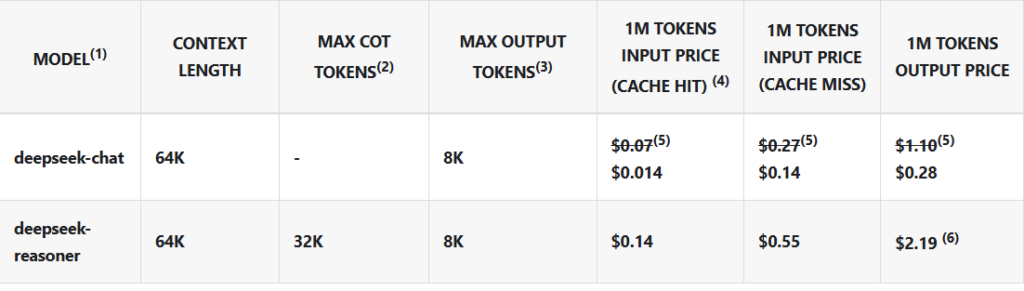
- Discount: DeepSeek offers promotional discounts until February 8, 2025.
- CoT (Chain of Thought) Tokens: deepseek-reasoner charges for both reasoning and final output tokens equally.
- Billing: Usage is deducted from your account balance based on token consumption.
Accessibility and Future Developments
DeepSeek-V3 is openly available for research and development. It can be accessed via:
- Hugging Face: deepseek-ai
- Github: deepseek-ai
- Official Chat Platform: Live demonstration at chat.deepseek.com.
With continuous enhancements in Multi-Token Prediction and inference optimizations, DeepSeek-V3 remains at the frontier of open-source AI, competing with the best closed-source models in the market.
Why Choose DeepSeek?
- 1Open-Source Advantage: Unlike proprietary models (GPT-4, Claude 3.5), DeepSeek offers transparency and community-driven improvements.
- 2Cost-Effectiveness: Training and API costs are significantly lower than closed-source alternatives.
- 3High Performance: Benchmarks show DeepSeek’s capabilities rivaling top-tier AI models.
- 4Scalability & Customization: Developers can fine-tune DeepSeek models for specific use cases, providing greater flexibility.
- 5Extensive Deployment Options: Runs on diverse hardware setups, from consumer GPUs to cloud clusters.
Performance Comparison with Other Open-Source Models
DeepSeek’s models have been benchmarked against industry-leading open-source and closed-source models, demonstrating competitive or superior performance.
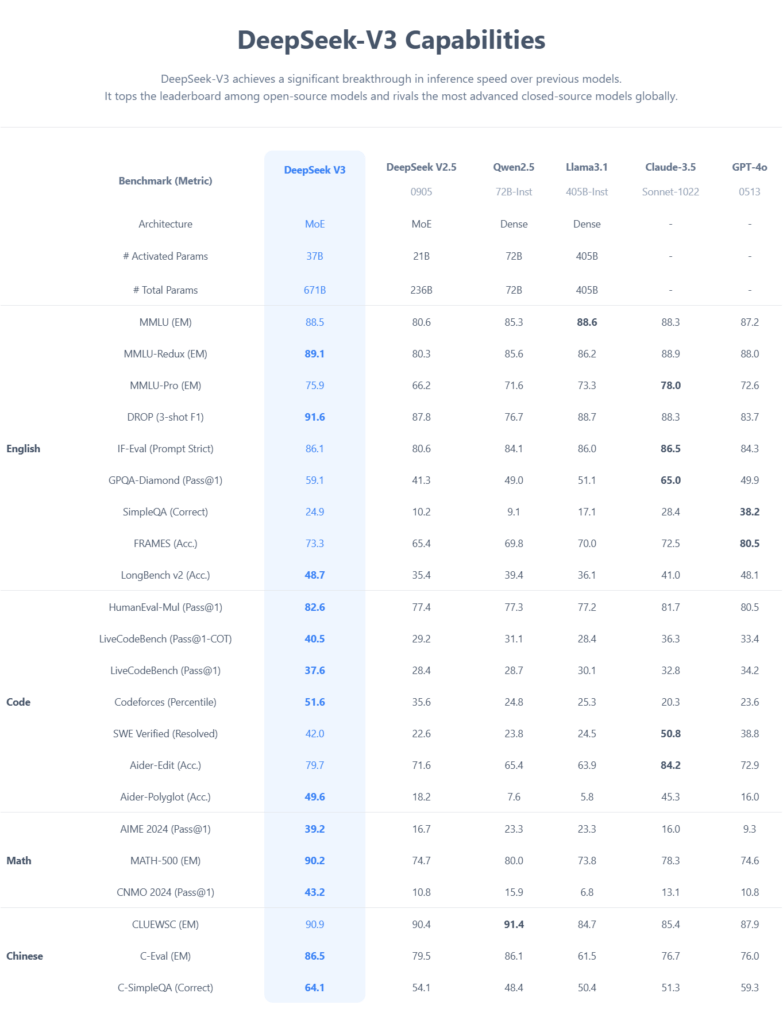
DeepSeek-V3 sets a new benchmark in open-source AI, outperforming many competitors in language understanding, coding, and mathematical reasoning. With 88.5% accuracy on MMLU, 82.6% HumanEval Pass@1, and a 90.2% score on MATH-500, it rivals even the most advanced proprietary models. Its Mixture-of-Experts (MoE) architecture enables exceptional efficiency, activating only 37B parameters per token while maintaining state-of-the-art performance. Whether in complex reasoning (DROP 91.6%), real-world programming (LiveCodeBench 40.5%), or multilingual tasks (C-Eval 86.5%), DeepSeek-V3 proves to be a powerful, open-source alternative to leading AI systems.
Conclusion
DeepSeek-V3 is not just an incremental update, it represents a paradigm shift in AI model design, proving that open-source models can rival or even surpass closed-source alternatives like OpenAI’s GPT and Anthropic’s Claude. By leveraging Mixture-of-Experts (MoE) architecture, DeepSeek-V3 balances efficiency with performance, activating only a fraction of its total parameters per token while maintaining state-of-the-art capabilities in reasoning, coding, and natural language understanding.
As open-source AI continues to gain momentum, DeepSeek-V3 sets a new benchmark, challenging the notion that only large-scale proprietary models can lead in innovation. With ongoing improvements in inference optimization, accessibility through APIs, and an active research community, DeepSeek-V3 is poised to shape the next wave of AI advancements. With its commitment to open-source excellence, DeepSeek invites developers and enterprises to explore its capabilities and be part of AI’s next frontier.
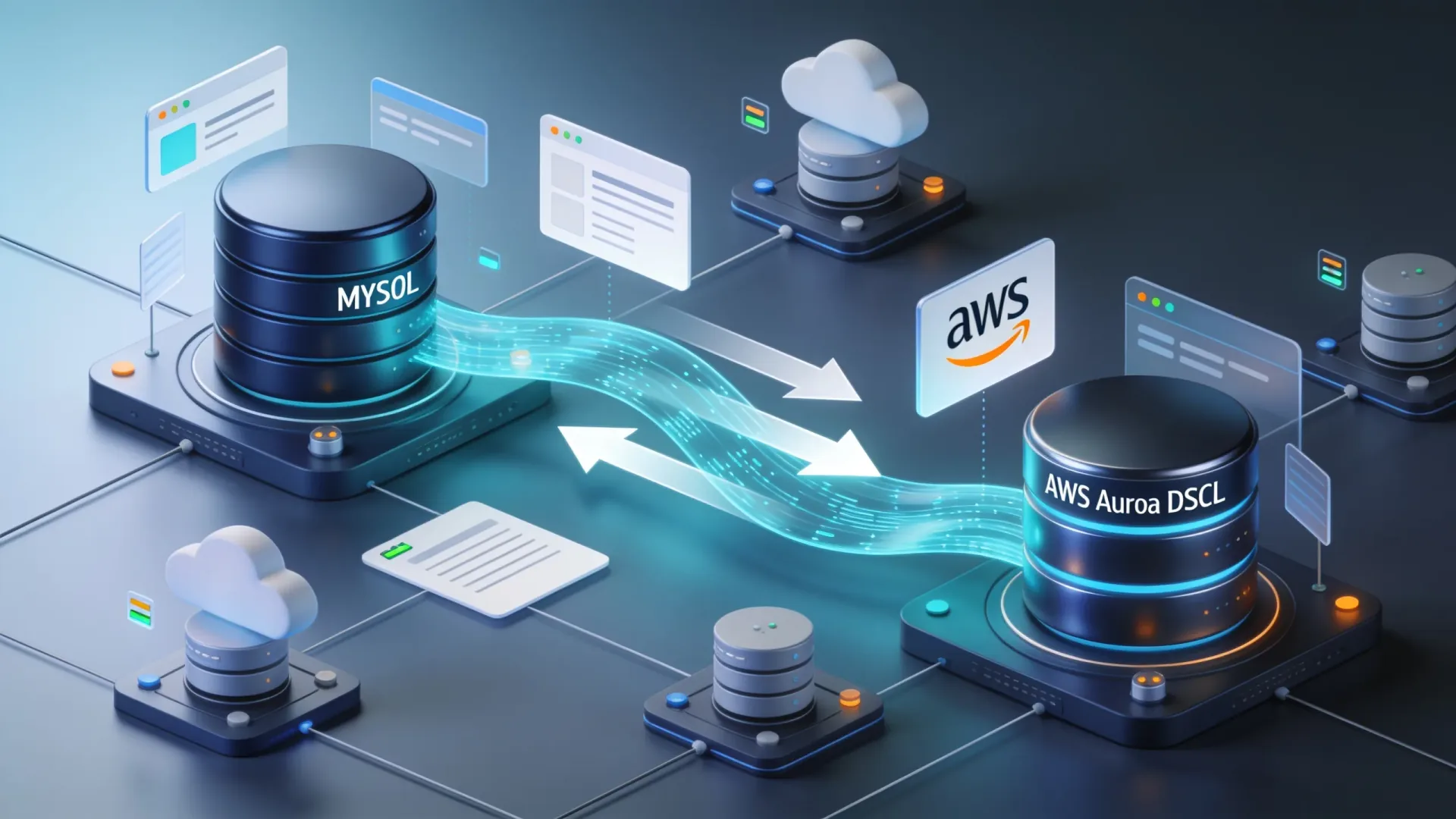
The Right Way to Migrate from MySQL to AWS Aurora DSQL
Migrating a production database is one of the highest-risk changes you can make to an application. Moving from MySQL to AWS Aurora DSQL raises the stakes further...
Read More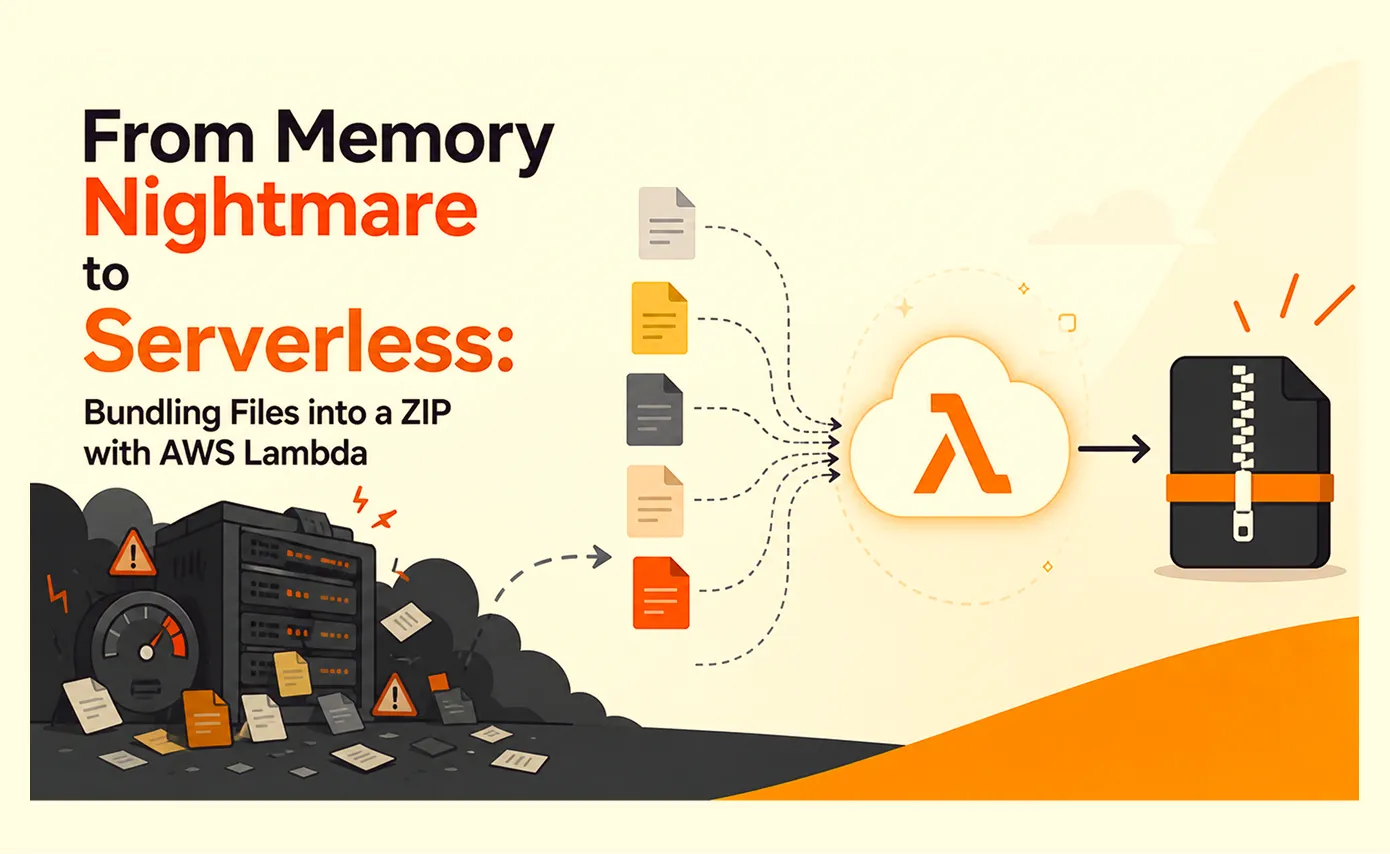
From Memory Nightmare to Serverless: Bundling Files into a ZIP with AWS Lambda
A straightforward 'download all these files as one ZIP' request that worked perfectly on my laptop and... fell over the first day it met real production load. Here's the debugging story, the scaling options I ruled out, and why AWS Lambda was the right answer.
Read More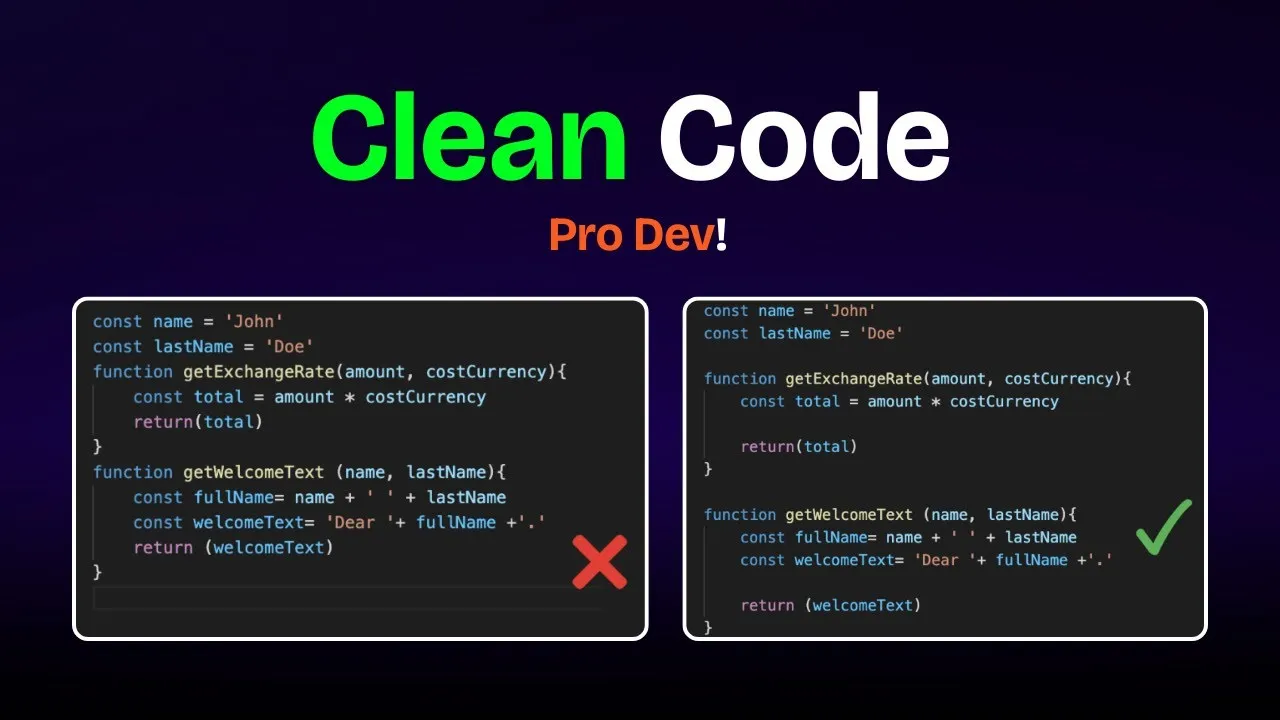
Clean Code vs. Overengineering: Where Should Developers Draw the Line?
Clean code reduces unnecessary complexity; overengineering invents it. A practical guide to using context, evidence, and the cost of change to know when to stop adding abstractions...
Read More
Kafka vs RabbitMQ vs AWS EventBridge: Choosing the Right Architecture Based on Business Requirements
Compare Kafka, RabbitMQ, and AWS EventBridge based on scalability, routing, event streaming, replay, infrastructure, and business requirements to choose the right architecture...
Read More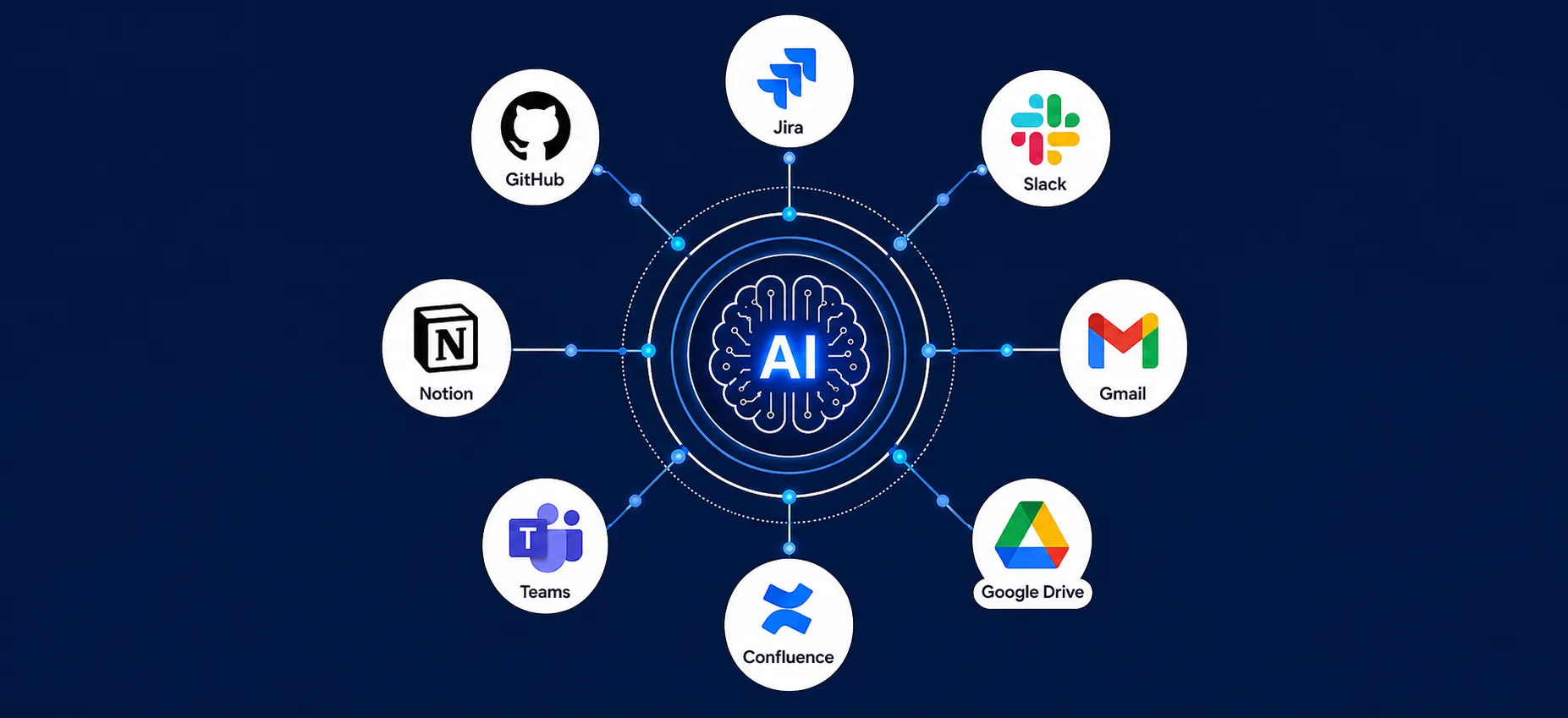
AI Integrations for QA Engineers
Learn how QA engineers can connect AI with Jira, GitHub, Slack, Notion and other tools to improve testing, bug tracking, reporting and QA productivity...
Read More
The Ultimate Guide to Amazon SES Setup with GoDaddy DNS
Learn how to set up Amazon SES with GoDaddy DNS. Complete step-by-step guide covering Easy DKIM, SPF, DMARC, custom MAIL FROM, and exiting the SES Sandbox...
Read More
AWS DevOps Agent Setup Guide with EC2
Learn how to set up AWS DevOps Agent with EC2, CloudWatch, IAM, and Agent Spaces for AI-assisted monitoring, incident investigation, and root-cause analysis...
Read More
Multi-Tenancy Patterns in DynamoDB: Silo, Pool, and Bridge Models
If you've already made the jump from a relational database to DynamoDB see our guide on moving relational data from SQL to DynamoDB...
Read More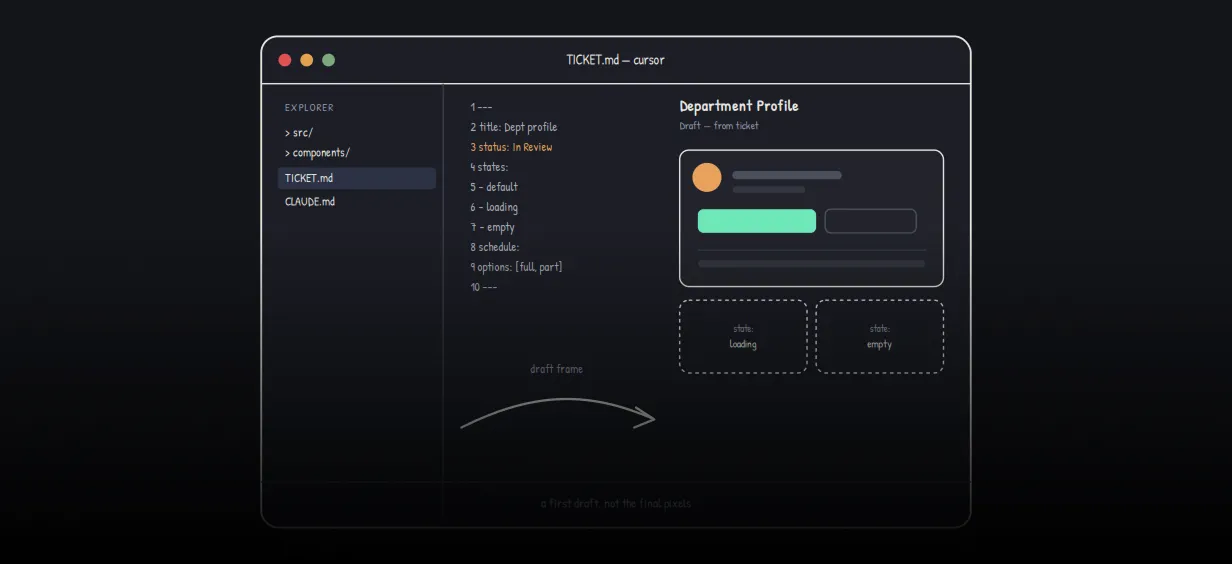
We stopped leaving the IDE to design. Here’s our Cursor → Figma flow
Cursor drafts fast, catches gaps early, and still clips fields and breaks layouts. Here's the real pros-and-cons breakdown of our workflow...
Read MoreReady to Work With Us?
Most engagements start with a 20-minute conversation. No pitch, no pressure - just an honest discussion about what you're building and whether we're the right fit.