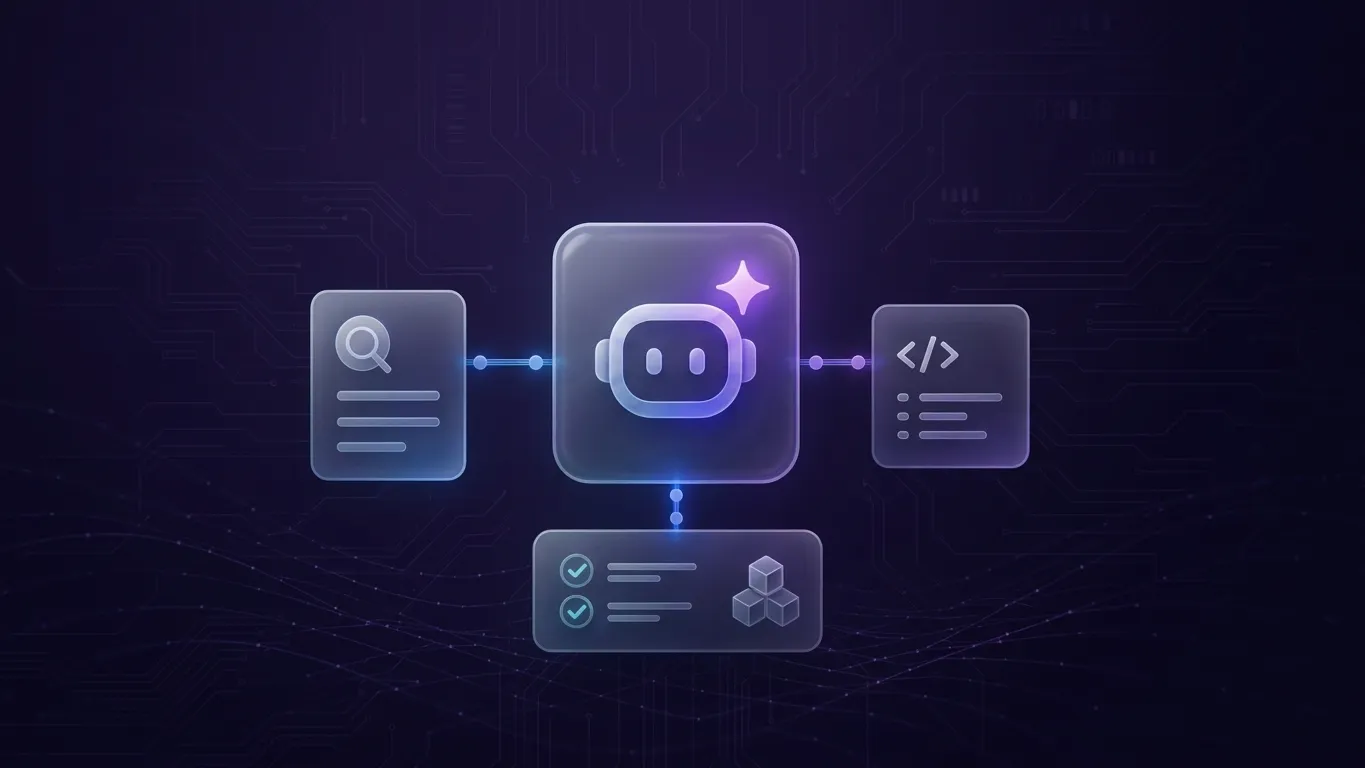
AI Writes the Code • Stop Blindly Shipping It Without Reviewing the Engineering

Got a project?
Let's discuss your project
The Problem: AI Makes Coding Faster, Not Engineering Automatic
AI has changed how quickly we can write software.
Give an AI coding tool a requirement, describe the expected behavior, and within seconds you can have a working implementation. Functions are generated, APIs are connected, database queries are written, tests are suggested, and sometimes an entire feature can be scaffolded before you have finished your coffee.
That sounds like a huge win. And it is. But there is a problem.
We are getting very good at generating code, while becoming dangerously comfortable with not reviewing the engineering behind that code.
A feature can work perfectly in development and still be badly engineered. It can pass tests and still create unnecessary database queries. It can produce the correct response and still introduce duplicated business logic. It can solve today's requirement and make the next requirement significantly harder to implement.
This is where the conversation around AI-generated code needs to change.
The question shouldn't simply be:
"Does the AI-generated code work?"
The better question is:
"Is this the right engineering solution?"
AI Is Extremely Good at Producing Code
Modern AI coding tools are surprisingly capable. They can understand existing files, follow patterns, generate functions, refactor components, write SQL, create API endpoints, and even make changes across multiple parts of an application.
For developers, this can remove a lot of repetitive work.
Instead of spending 30 minutes writing boilerplate, you can describe what you need and have a starting point almost immediately.
That part is great.
The danger begins when developers treat generated code as a finished engineering solution simply because it compiles and produces the expected result.
- Compilation is not architecture.
- Passing tests is not scalability.
- Working code is not automatically good code.
AI is optimizing for the implementation it believes satisfies the request. It doesn't automatically understand every architectural decision your application has accumulated over years of development.
And even when it understands the codebase, it may still choose a solution that is locally correct but globally expensive.
The "It Works" Trap
One of the easiest traps with AI-generated code is the phrase: “It works.”
Imagine you ask AI to implement a feature that needs to process 1,000 employees. The generated implementation may:
- fetch employees
- loop through them
- make another database query for each employee
- perform additional API calls inside the loop
- transform the data
- save the results individually
With a small development dataset, everything looks fine.
The feature works. The tests pass. The ticket can be marked complete.
Then production gets real data. Suddenly, a process that worked perfectly for 20 employees becomes painfully slow for 20,000.
The problem wasn't necessarily that the AI generated invalid code. The problem was that nobody reviewed the engineering implications of the generated solution.
A developer should have asked:
- Can this query be optimized?
- Am I creating an N+1 query problem?
- Can these records be processed in batches?
- Can I reduce the number of API calls?
- Should this operation be asynchronous?
- What happens when the dataset becomes 10× larger?
- What happens when multiple users trigger this simultaneously?
These are engineering questions. And they cannot always be answered by simply checking whether the generated code produces the expected output.
AI Can Write More Code Than You Actually Need
Another common problem is unnecessary complexity.
Let's Build Something Great Together
Ready to transform your idea into a powerful software solution? Talk to our experts and get a free consultation.
Contact Us
Ask AI to implement a relatively simple requirement, and you may receive a solution containing multiple helper functions, abstractions, configuration objects, defensive checks, wrappers, and layers of logic that weren't actually necessary.
Individually, every piece may look reasonable.
Together, they can create a system that is harder to understand than the original problem.
This is especially dangerous because generated code often looks professional.
Good naming. Clean formatting. Type definitions. Comments. Reusable functions. Everything appears polished. But clean-looking code can still be over-engineered.
Sometimes the best engineering solution is not another abstraction. Sometimes it is simply a small function that does one thing clearly.
The Real Test Is Often Production
Development environments are forgiving. Datasets are smaller. Traffic is lower. Fewer users are performing operations simultaneously.
Production is where engineering decisions become visible.
A solution that looks perfectly reasonable during development can behave very differently when:
- thousands of records are processed
- multiple users perform the same operation
- database traffic increases
- external APIs become slow
- network failures occur
- memory usage grows
- background jobs overlap
- retries happen
- data becomes much larger than expected
This is why AI-generated code deserves the same engineering review as code written by another developer.
Actually, in some cases, it deserves more scrutiny, because it can be produced so quickly that the temptation to merge it without deeply understanding it is much higher.
AI Should Accelerate Engineering • Not Replace It
The goal shouldn't be to stop using AI. Quite the opposite.
We should use it aggressively where it provides value.
Let AI handle repetitive implementation. Let it generate boilerplate. Let it suggest approaches. Let it write the first version. Let it help investigate bugs. Let it generate tests. Let it explain unfamiliar code.
But when the code is generated, the developer still needs to ask the engineering questions.
- Why is this implemented this way?
- Does this fit our architecture?
- Will this scale?
- Are we introducing duplication?
- Are we making the next change harder?
- What happens when this fails?
- What happens when the data grows?
Those decisions still belong to the engineer.
AI doesn't eliminate the need for engineering judgment. It makes it more important.
The Developer's Role Is Changing
AI doesn't necessarily make developers less important.
It changes where their value is applied.
When writing every line manually was the bottleneck, programming skill was heavily associated with how quickly you could translate requirements into code.
With AI, producing those lines is becoming much cheaper.
That means higher-level skills become increasingly important: understanding systems, making architectural decisions, recognizing trade-offs, reviewing code, thinking about failure modes, and knowing when the simplest solution is the better solution.
The developer who can generate 1,000 lines of code in a few minutes isn't necessarily more valuable than the developer who can look at those 1,000 lines and say: “We only need 200.”
That is engineering judgment. And AI doesn't eliminate the need for it. It makes it more important.
When the code writes itself, teams need engineers who review, refactor, and own the architecture. Our software engineers bring that judgment to your team.
"AI Writes the Code Engineering Still Owns the Decision"
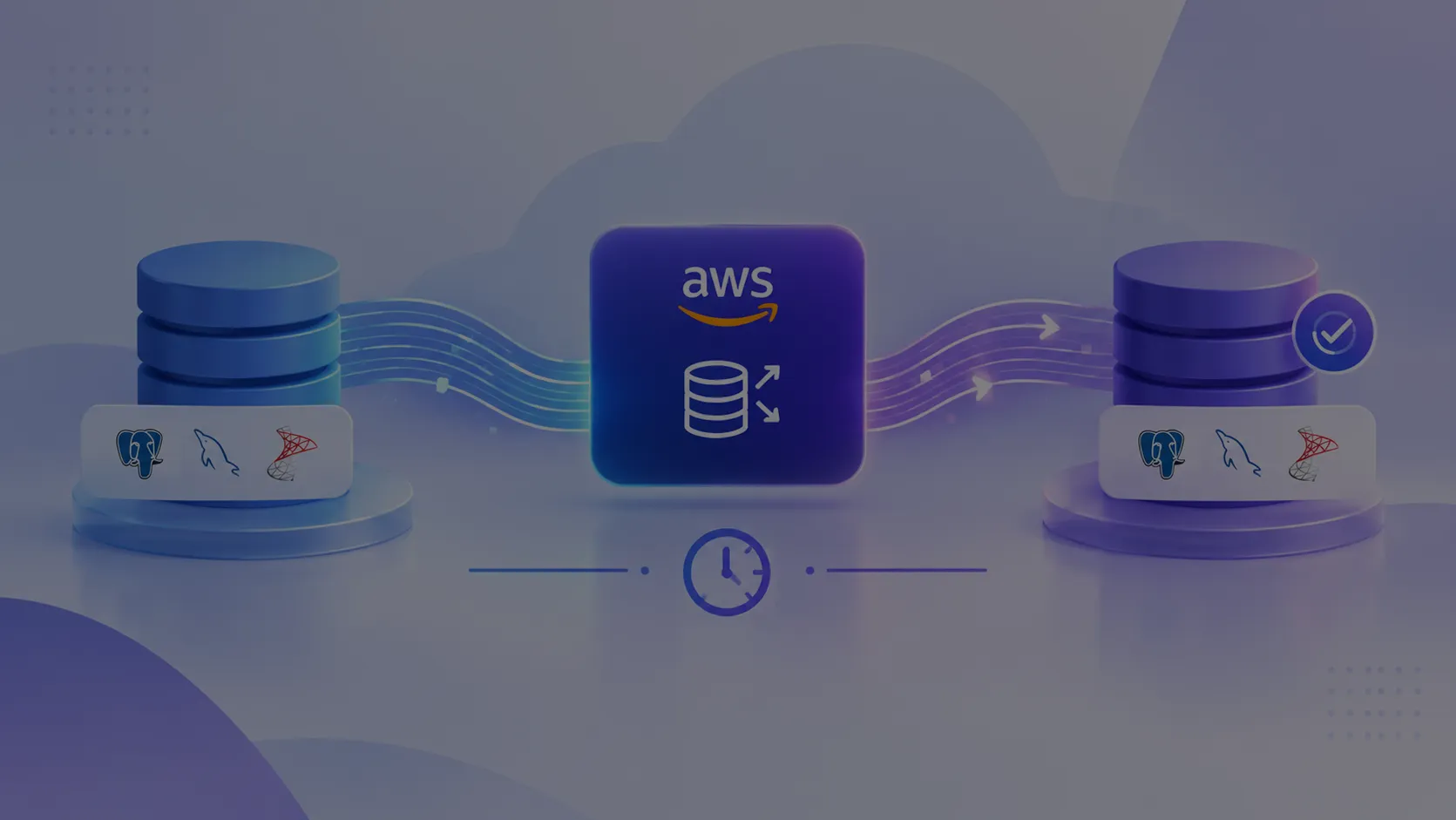
Migrating Databases with AWS DMS With Nearly Zero Downtime
Learn how to migrate databases using AWS DMS with nearly zero downtime using Full Load, CDC, validation, monitoring, and controlled cutover.
Read More
How to Add LiveKit Video Calling to a Next.js App
Add embedded video & audio calling to Next.js with LiveKit Cloud. Compared vs Twilio, Daily, Agora, Zoom — plus token auth, guests & recording.
Read More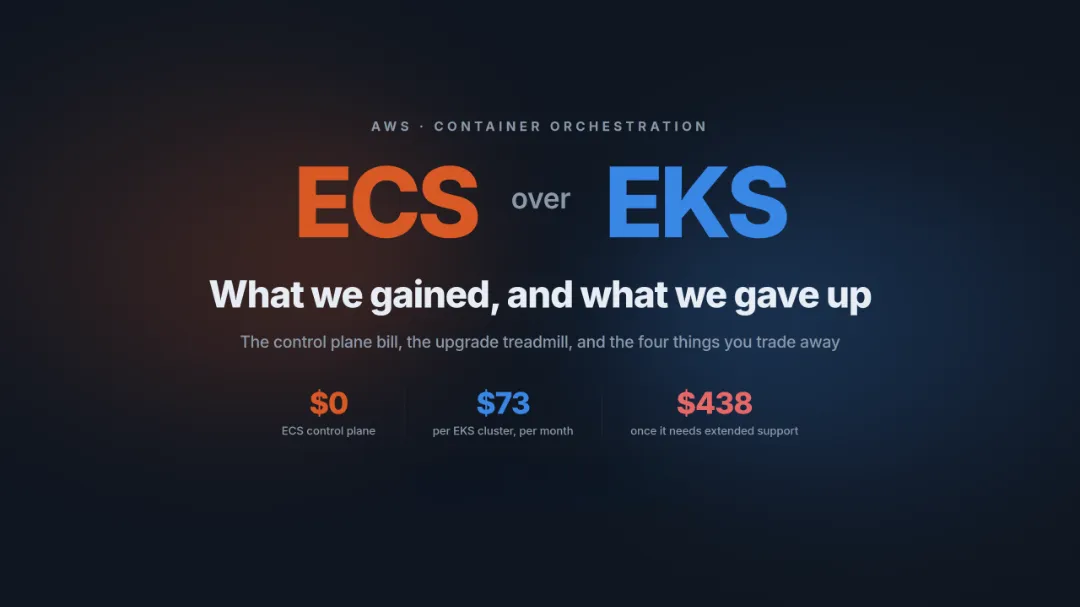
We chose ECS over EKS: what we gained and what we gave up
An honest comparison of ECS vs EKS the costs, tradeoffs, and real-world reasoning behind choosing ECS for a production platform on AWS.
Read More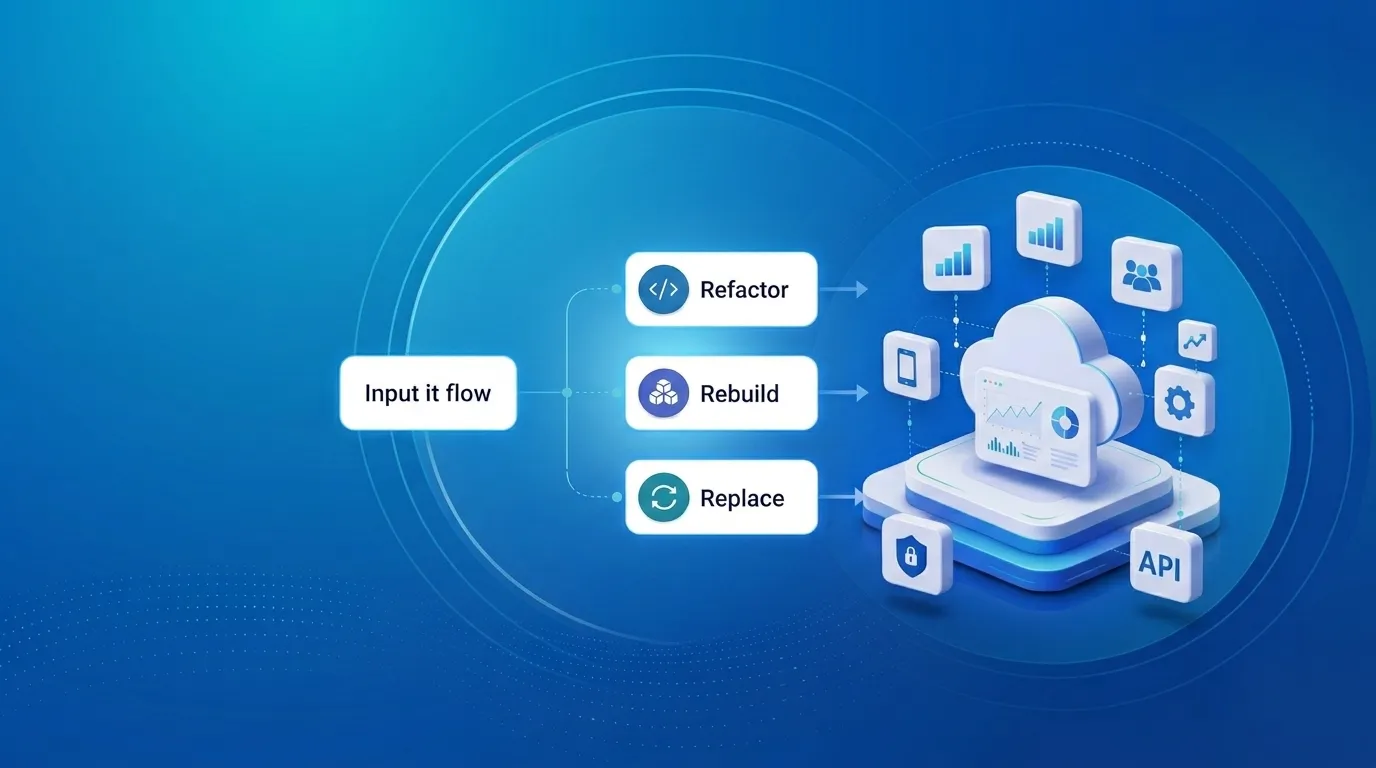
Upgrading Legacy Systems: From Outdated Technology to Competitive Advantage
Learn how to upgrade legacy systems through application modernization, API integration, cloud migration, security improvements, and incremental system upgrades without disrupting business operations.
Read More
Building Distributed Tracing and Observability with AWS X-Ray
A practical guide to correlating requests across a multi-tier application using correlation IDs, AWS X-Ray segments, and structured logging for faster incident debugging.
Read More
Designing Before and After AI: What Really Changed
A look at how AI has transformed UI/UX design from manual wireframes and slow research to AI-assisted prototyping, design-to-code, and personalization at scale.
Read More
Beyond Prompting: Managing Context and Tokens in AI Coding Tools
Ever wondered why your AI coding agent starts losing context or hits a hard limit mid-task? The answer lies in tokens and the context window. Good AI coding is not about giving the model the most information. It is about giving it the right information at the right time.
Read More
What Is llms.txt? How It Helps Google, AI Search, and Agentic Browsing Find Your Website
Learn what llms.txt is, how it differs from sitemap.xml and robots.txt, and how it can help your site get found by Google, AI search tools, and AI agents.
Read More
Build an Automated Image Compression Script with Sharp and SVGO
Compress images from the terminal with a Node.js script powered by Sharp and SVGO a safe, two-step workflow that keeps your site fast without bloating your repo.
Read More