
Leveraging WordPress as a Headless CMS with Vue.js and GraphQL

Introduction
In recent years, traditional Content Management Systems (CMS) like WordPress have evolved into more versatile solutions with the concept of a “headless CMS.” In this blog, we’ll explore how to use WordPress as a headless CMS, leveraging Vue.js as the front-end framework and GraphQL for fetching data.
Key takeaways:
- What is a headless CMS and why it’s important.
- How to set up WordPress as a headless CMS.
- Integrating WordPress with Vue.js and GraphQL to create a modern web application.
What is a Headless CMS?
A headless CMS decouples the front-end and back-end of a web application. Traditionally, WordPress renders both the back-end (admin panel) and the front-end (the website itself). In a headless CMS setup, WordPress handles only the content management (back-end), while the front-end is handled separately, using a framework like Vue.js.
Advantages of a Headless CMS:
- Performance: Load times are faster because the front-end is optimized independently.
- Flexibility: You can use any front-end technology, making the system more adaptable.
- Scalability: Easier to scale and optimize front-end performance without affecting the CMS.
Why Use Vue.js and GraphQL with WordPress?
Vue.js: A popular, lightweight JavaScript framework for building fast, responsive user interfaces. Vue’s ease of integration, component-based architecture, and flexibility make it a great choice for front-end development.
GraphQL: Unlike traditional REST APIs, GraphQL allows clients to specify exactly what data they need, reducing over-fetching and improving performance. WordPress supports GraphQL through plugins like WPGraphQL, making it easy to fetch and manipulate content.
Setting Up WordPress as a Headless CMS
1. Install WordPress and WPGraphQL Plugin
Start by installing WordPress on your server and setting up the WPGraphQL plugin. This plugin provides a GraphQL API for WordPress, allowing you to query posts, pages, and custom content types.
Steps:
- Install WordPress.
- Navigate to the plugins section and search for “WPGraphQL.”
- Install and activate the plugin.
Once WPGraphQL is set up, you can use the /graphql endpoint to access your WordPress data.
2. Define Custom Post Types (Optional)
If you need to manage more than just blog posts or pages, define custom post types in WordPress to structure your content. This flexibility is one of the major advantages of using WordPress as a CMS.
Integrating Vue.js with WordPress and GraphQL
1. Setting Up the Vue.js Application
Create a Vue.js project using the Vue CLI:

Install Apollo Client and the GraphQL package for making GraphQL requests:

2. Configure Apollo Client for GraphQL
Apollo Client is a popular GraphQL client that will handle requests from Vue.js to your WordPress GraphQL API.
Create an Apollo Client configuration in a new file (e.g., apollo.js):
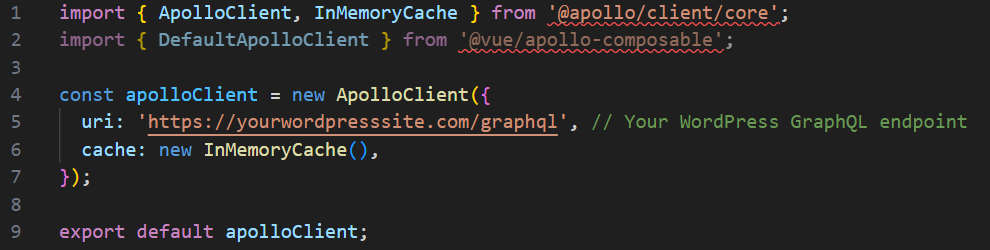
3. Integrating Apollo Client into Vue.js
In your main.js file, configure Apollo Client for your Vue.js application:
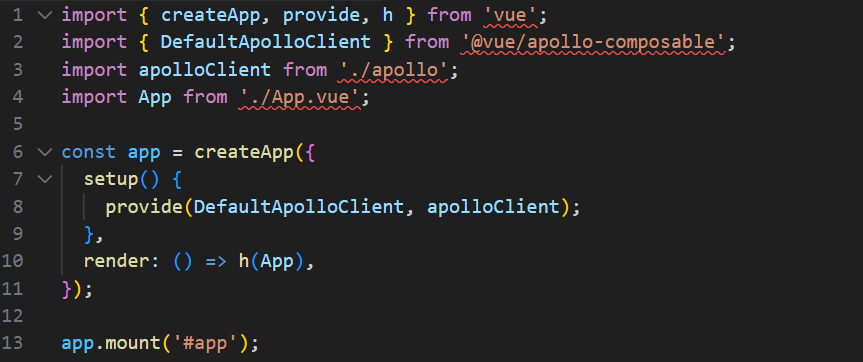
Fetching Data in Vue.js with GraphQL
Here’s an example of how to fetch posts from WordPress using GraphQL in Vue.js. Create a Posts.vue component to display WordPress posts:
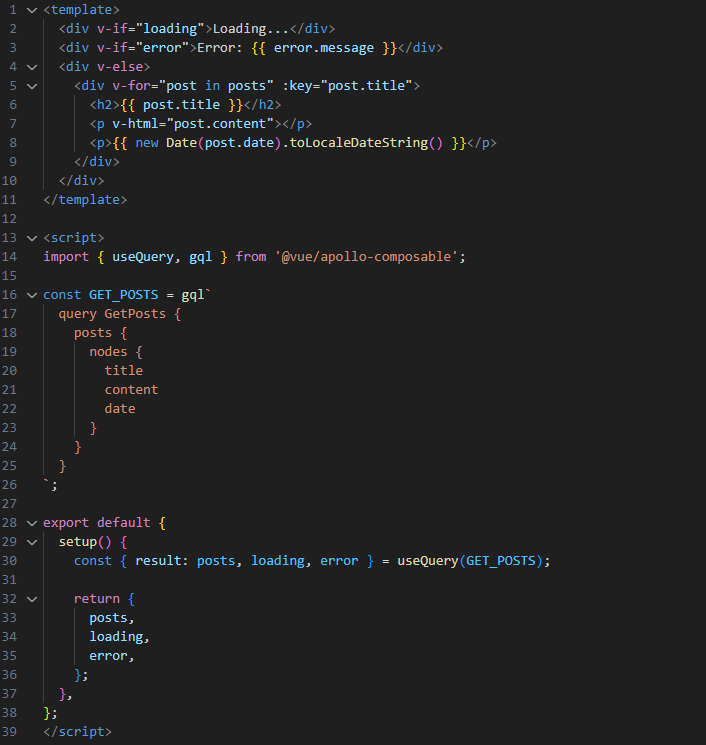
This component queries WordPress for the latest posts using GraphQL and renders them in a simple list.
Handling Routing in Vue.js
Vue.js uses vue-router for handling routing. You can set up routes to display various WordPress content types like posts and pages.
Install the Vue Router:

Set up routing in your main.js:
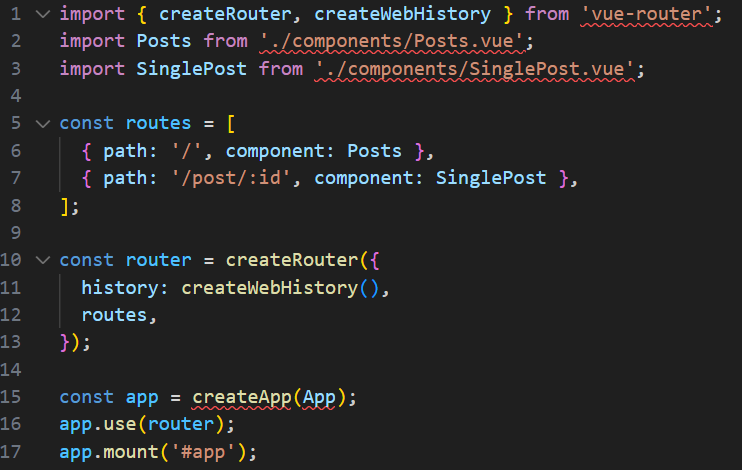
Each route would dynamically load the respective WordPress content using GraphQL.
Conclusion
Using WordPress as a headless CMS with Vue.js and GraphQL is a powerful way to build modern, scalable web applications. This approach gives you the best of both worlds: the simplicity of WordPress for managing content and the flexibility of Vue.js for building dynamic, fast, and interactive front-end applications.
Final Thoughts:
- With this setup, you can take advantage of WordPress’s extensive CMS features while having full control over your front-end design and functionality.
- GraphQL’s efficiency in fetching only the required data ensures optimal performance.
If you’re building a complex, content-heavy application and want the freedom to use cutting-edge front-end technologies, this headless approach is the way forward.
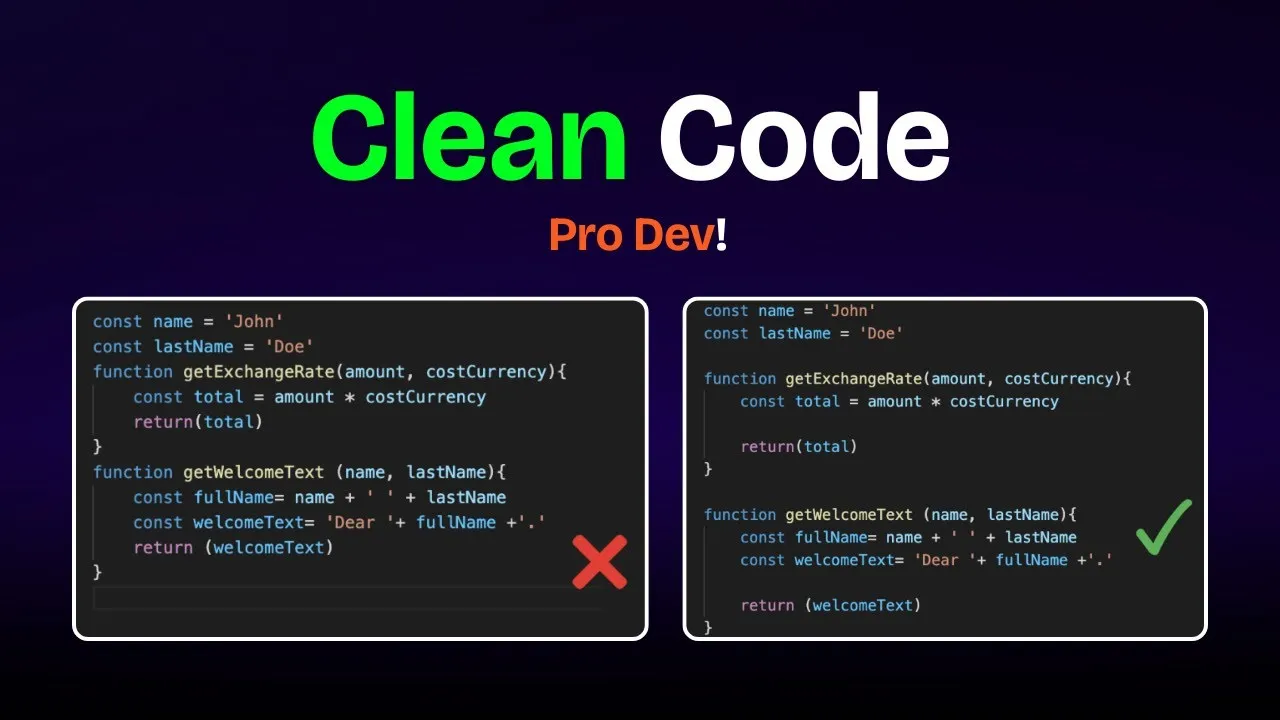
Clean Code vs. Overengineering: Where Should Developers Draw the Line?
Clean code reduces unnecessary complexity; overengineering invents it. A practical guide to using context, evidence, and the cost of change to know when to stop adding abstractions...
Read More
Kafka vs RabbitMQ vs AWS EventBridge: Choosing the Right Architecture Based on Business Requirements
Compare Kafka, RabbitMQ, and AWS EventBridge based on scalability, routing, event streaming, replay, infrastructure, and business requirements to choose the right architecture...
Read More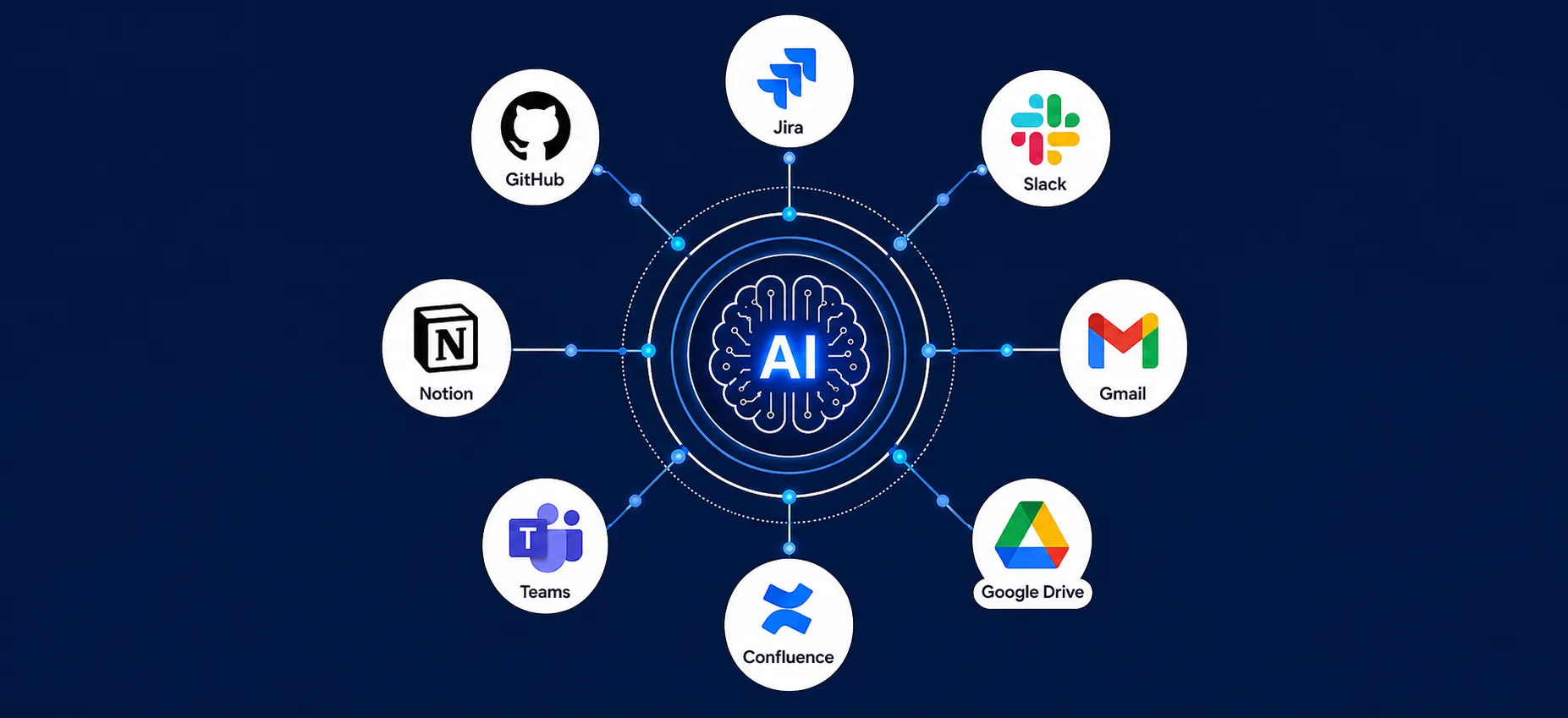
AI Integrations for QA Engineers
Learn how QA engineers can connect AI with Jira, GitHub, Slack, Notion and other tools to improve testing, bug tracking, reporting and QA productivity...
Read More
The Ultimate Guide to Amazon SES Setup with GoDaddy DNS
Learn how to set up Amazon SES with GoDaddy DNS. Complete step-by-step guide covering Easy DKIM, SPF, DMARC, custom MAIL FROM, and exiting the SES Sandbox...
Read More
AWS DevOps Agent Setup Guide with EC2
Learn how to set up AWS DevOps Agent with EC2, CloudWatch, IAM, and Agent Spaces for AI-assisted monitoring, incident investigation, and root-cause analysis...
Read More
Multi-Tenancy Patterns in DynamoDB: Silo, Pool, and Bridge Models
If you've already made the jump from a relational database to DynamoDB see our guide on moving relational data from SQL to DynamoDB...
Read More
We stopped leaving the IDE to design. Here’s our Cursor → Figma flow
Cursor drafts fast, catches gaps early, and still clips fields and breaks layouts. Here's the real pros-and-cons breakdown of our workflow...
Read More
AWS DevOps Agent: How AI is Automating On-Call Incident Response
If you've ever been on call during a production outage, you know how stressful it can be. Alerts start firing, dashboards light up, and suddenly you're jumping between monitoring tools...
Read More
Catch Missing Images Before Deploy: A Simple Pre-Build Script for Next.js
How Omax Tech added a lightweight image validation gate to Next.js 15 builds on Vercel...
Read MoreReady to Work With Us?
Most engagements start with a 20-minute conversation. No pitch, no pressure - just an honest discussion about what you're building and whether we're the right fit.