
Best Practices for Setting Up a Winning Software Quality Assurance (QA) Process

Introduction
In today’s fast-paced software development landscape, Quality Assurance (QA) plays a crucial role in ensuring the delivery of high-quality, defect-free products.A structured QA process is essential to prevent project delays, reduce costs, and ensure optimal software performance.Without a proper QA setup, software development can become chaotic, resulting in missed deadlines and suboptimal quality.
In this blog, we’ll dive into the best practices for creating an effective testing process from scratch, allowing teams to streamline and improve their QA efforts.
Why a Controlled QA Process is Essential.
A controlled QA process brings clarity, consistency, and a robust strategy that aligns with the project’s goals.When testing is disorganized, the project can suffer from unplanned delays, poor product quality, and increased costs due to late-stage bug fixes.A well-structured QA process follows a clear path from start to finish in the Software Testing Life Cycle (STLC), reducing unexpected surprises during testing and ensuring the product meets customer expectations.
Example: Imagine a startup launching a new mobile app. Without a solid QA process, the app might hit the market with bugs that could have been identified early, resulting in negative reviews, a poor user experience, and costly updates later.
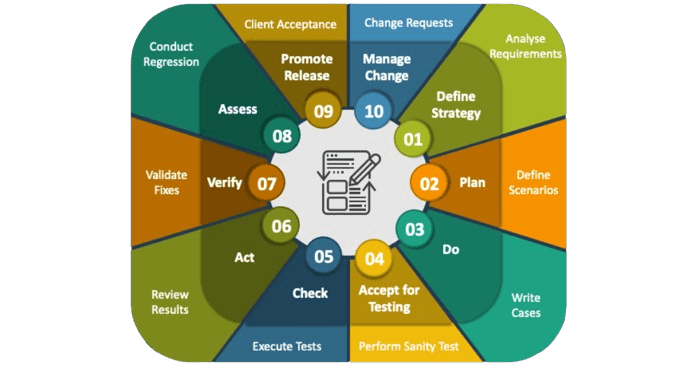
Who is Responsible for Setting Up the Testing Process?
Typically, a test manager is responsible for setting up the testing process.In smaller teams, the test lead or team members may also take on this responsibility after comprehensive discussions.Regardless of who initiates it, the goal remains the same: improved quality, reduced costs, and optimized testing time.
Best Practices for Implementing a Testing Process
To ensure a successful testing process, consider the following best practices and methodologies:
1. Create and Maintain Test Plan and Strategy Documents
Establish a clear process for developing and updating test plans and strategies.These documents serve as the foundation for all testing activities, outlining objectives, scope, resources, and timelines.
2. Involve Testers Early in the Development Process
Incorporating testers during the requirement-gathering phase allows for early identification of defects, significantly reducing the cost of fixes later in the product life cycle.This proactive approach fosters collaboration between development and testing teams.
3. Clear Communication with Stakeholders
Establish open communication channels with project management and stakeholders to ensure expectations and outcomes align.
4. Define Build and Deployment Processes
Set rules for getting new builds, decide whether new builds should be received daily or weekly.Define how the build will be deployed, who will deploy it, and the steps to take if deployment fails.
5. Implement Build Verification Testing (BVT)
Develop a process for executing smoke tests on every new build. Automating these tests can enhance efficiency, allowing for quick feedback.If a smoke test fails, the build should be rejected, and a clear protocol for notifying relevant stakeholders should be defined.
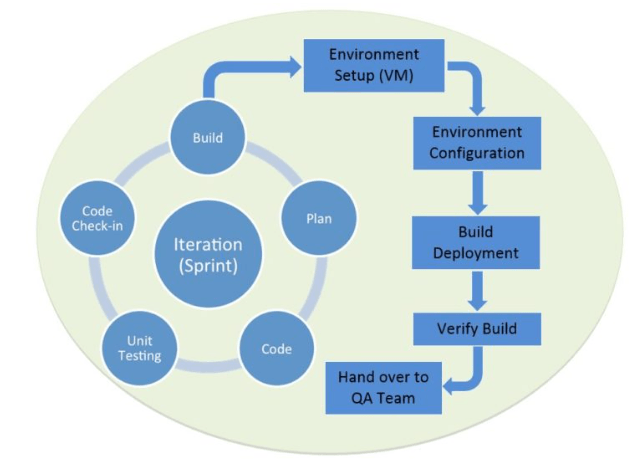
6. Manage Test Cases Effectively
Establish a systematic approach for writing and managing test cases, including defining the types of test cases to be covered, the format for documentation, and the test management tools to be utilized.
7. Define Defect Management Procedures
Utilize defect management tools (such as JIRA or Bugzilla) to streamline the process of logging, tracking, and resolving defects.Clearly outline the steps for defect submission, assignment, severity classification, and status updates.
8. Create Reporting Protocols
Develop internal reporting procedures that specify who reports to whom, the frequency of reports (daily, weekly), and the content of reports (issues, obstacles, status updates).This ensures transparency and accountability within the testing team.
9. Estimate Test Efforts Accurately
Implement a structured process for estimating testing efforts. Consider factors such as project scope, complexity, and resource availability to provide accurate estimates that inform planning.
10. Leverage Automation Tools
Identify and utilize appropriate automation tools to enhance testing efficiency.Establish guidelines for writing and maintaining test scripts, as well as defining which tests will be automated versus those that will remain manual.
11. Build and Maintain a Test Environment
Create a test environment that closely mirrors the production environment.Regularly update this environment to reflect changes in production, and establish processes for maintaining test infrastructure, data, and backups.
12. Assess Team Skills
Conduct regular assessments of team skills to identify areas for improvement and training needs. A well-equipped team is essential for executing a successful testing process.
Continuous Improvement of QA Processes
It’s crucial to review and refine the testing process periodically. By identifying key areas for improvement, the team can enhance efficiency and move toward an optimized testing framework.As the project matures, the QA process should evolve, moving from an initial phase to a controlled, efficient, and eventually optimized state.
Consider implementing a formal process improvement model like TMMi (Test Maturity Model integration) or TPI NEXT (Test Process Improvement) to guide your continuous improvement efforts.
For Newcomers: How to Get Started in QA Projects
If you’re new to a QA project, especially one where the process is already established, it’s essential to start by understanding the project’s requirements and components. Here’s a quick roadmap to follow:
- 1Understand the Requirements: Read through the project documents, and identify the major components. Review these components with senior members or mentors to validate your understanding.
- 2Communicate Regularly: Set up meetings with team leads and mentors. Use these meetings to clarify any doubts or questions you may have.
- 3Familiarize Yourself with the Business Rules: Learn about the project’s business rules and processes. Once you understand the project, start with small tasks like functional or UI testing assignments.
- 4Pay Attention to Details: Precision is key, especially during the early stages of your career in QA. Engage with team members and developers to improve your understanding and add value to the project.
- 5Learn the Tools: Familiarize yourself with the testing tools and frameworks used in the project. This might include test management tools, automation frameworks, and defect tracking systems.
- 6Understand the SDLC: Get a good grasp of the Software Development Life Cycle (SDLC) model being used in the project, whether it’s Agile, Waterfall, or a hybrid approach.
- 7Practice Test Case Writing: Start writing test cases for simple features. Have them reviewed by senior team members to improve your skills.
- 8Learn Automation Basics: Even if you’re not directly involved in test automation, understanding the basics can be beneficial. Consider learning a programming language commonly used in test automation, such as Python or Java.
- 9Stay Updated: Keep yourself informed about the latest trends and best practices in software testing. Attend webinars, read blogs, and participate in online QA communities.
Earn Respect by Adding Value:
By showing dedication and contributing effectively to the project,you’ll earn respect within the team and establish your role. Remember, quality assurance is not just about finding bugs it’s about improving the overall quality of the software and the development process.
Conclusion
Setting up a winning SQA process is crucial for delivering high-quality software products.By following these best practices and continuously improving your processes, you can create a robust QA framework that not only catches defects but also enhances the overall quality of your software development lifecycle.Remember, effective QA is a collaborative effort that involves all stakeholders and contributes significantly to the success of your software projects.
Clean Code vs. Overengineering: Where Should Developers Draw the Line?
Clean code reduces unnecessary complexity; overengineering invents it. A practical guide to using context, evidence, and the cost of change to know when to stop adding abstractions...
Read More
Kafka vs RabbitMQ vs AWS EventBridge: Choosing the Right Architecture Based on Business Requirements
Compare Kafka, RabbitMQ, and AWS EventBridge based on scalability, routing, event streaming, replay, infrastructure, and business requirements to choose the right architecture...
Read More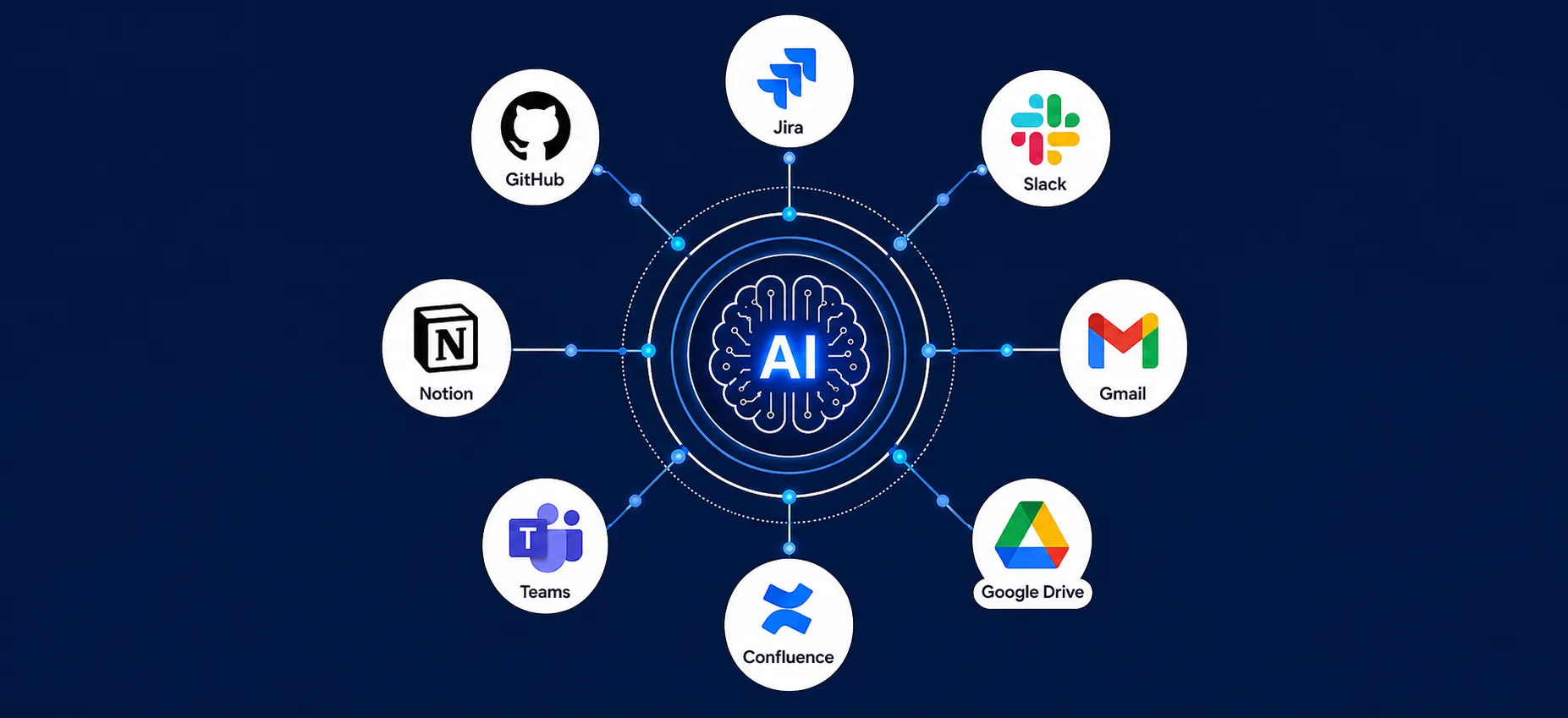
AI Integrations for QA Engineers
Learn how QA engineers can connect AI with Jira, GitHub, Slack, Notion and other tools to improve testing, bug tracking, reporting and QA productivity...
Read More
The Ultimate Guide to Amazon SES Setup with GoDaddy DNS
Learn how to set up Amazon SES with GoDaddy DNS. Complete step-by-step guide covering Easy DKIM, SPF, DMARC, custom MAIL FROM, and exiting the SES Sandbox...
Read More
AWS DevOps Agent Setup Guide with EC2
Learn how to set up AWS DevOps Agent with EC2, CloudWatch, IAM, and Agent Spaces for AI-assisted monitoring, incident investigation, and root-cause analysis...
Read More
Multi-Tenancy Patterns in DynamoDB: Silo, Pool, and Bridge Models
If you've already made the jump from a relational database to DynamoDB see our guide on moving relational data from SQL to DynamoDB...
Read More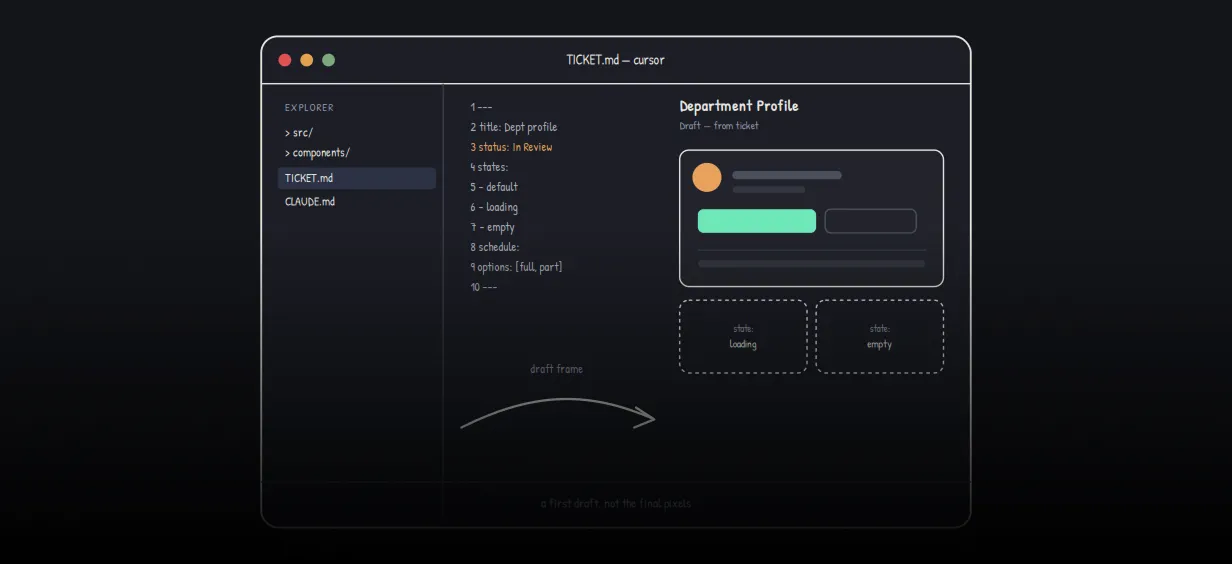
We stopped leaving the IDE to design. Here’s our Cursor → Figma flow
Cursor drafts fast, catches gaps early, and still clips fields and breaks layouts. Here's the real pros-and-cons breakdown of our workflow...
Read More
AWS DevOps Agent: How AI is Automating On-Call Incident Response
If you've ever been on call during a production outage, you know how stressful it can be. Alerts start firing, dashboards light up, and suddenly you're jumping between monitoring tools...
Read More
Catch Missing Images Before Deploy: A Simple Pre-Build Script for Next.js
How Omax Tech added a lightweight image validation gate to Next.js 15 builds on Vercel...
Read MoreReady to Work With Us?
Most engagements start with a 20-minute conversation. No pitch, no pressure - just an honest discussion about what you're building and whether we're the right fit.