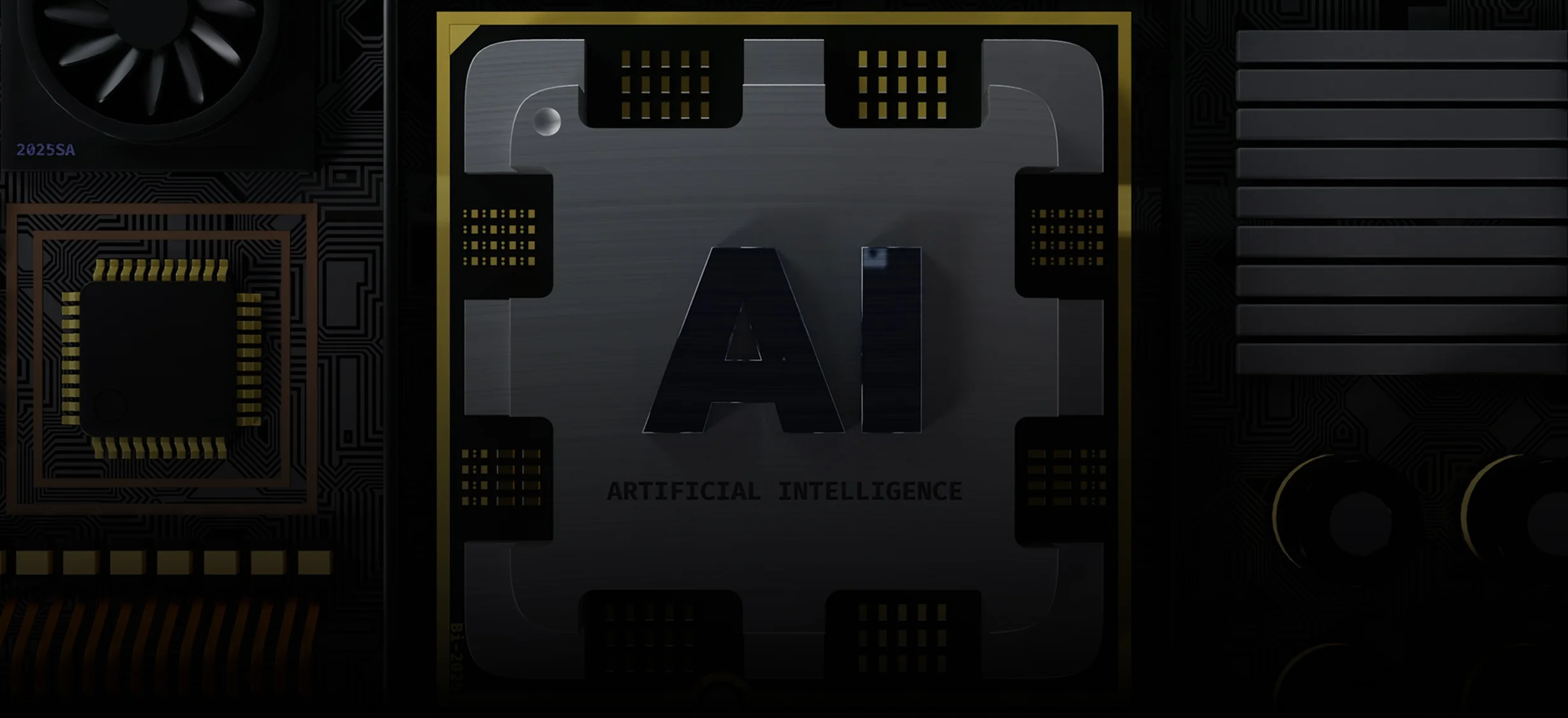
The Future of QA Jobs: Will Software Testers Be Replaced by AI?

Introduction
Ah, the age-old question in the digital era: “Will robots take over my job?” In the field of Quality Assurance (QA), this concern has become even more specific: “Will AI replace QA testers?” With the rapid advancement of artificial intelligence in software testing, it’s natural for professionals to question the future of their roles. AI and test automation tools are increasingly capable of handling repetitive tasks, raising concerns about the long-term demand for manual testing and traditional QA practices.
Use of AI in testing is more than just a change in technology , it affects people personally. Many QA professionals have spent years building their skills, and now they’re worried that machines might take over their roles. This shift is creating uncertainty, not just in their careers, but also in their lives and families.
But let’s pause for a moment. Is this really the end for QA jobs, or could it be the start of something new?
The Rise of AI in QA
Artificial Intelligence (AI) is becoming a powerful tool in software testing. AI-powered test automation tools can now quickly generate test cases, run them, and analyze results more efficiently than ever before. For example, platforms like Razer’s Wyvrn feature an AI QA Copilot that can automatically find bugs, create detailed reports, and even suggest fixes. This can cut QA testing time by up to 50%.
But that’s just the beginning. AI in QA is no longer limited to speeding up existing processes. Newer capabilities are emerging that make AI much more than just an assistant:
- Generative AI can now create detailed user stories or realistic test scenarios based on simple prompts.This helps testers cover more ground with less effort.
- Computer vision AI tools are being used to validate UI designs, detect visual bugs, and catch layout issues that regular automated checks might miss.
- AI tools like Launchable analyze production user behavior to suggest which areas of the application need the most testing ,helping teams prioritize smarter.
AI is evolving to become a more proactive and adaptive partner in QA. And with each iteration, it’s getting better at spotting issues, learning from past data, and supporting human decision-making.
Can AI Replace Human Testers?
Will AI Replace QA Testers? The Short Answer: Not Completely
AI in Quality Assurance is great for automating repetitive tasks, analyzing large amounts of data, and spotting patterns. But it still can’t replace the human touch that QA professionals bring. While AI can find bugs, it doesn’t understand how those bugs impact user experience or business goals the way a human tester can.
Additionally, AI tools are only as good as the data they’re trained on. They often struggle with edge cases, new features, or complex logic they haven’t seen before. That’s where human testers are crucial. Their ability to adapt, think critically, and understand product context helps uncover issues that machines miss.
The Evolving Role of QA Professionals
Rather than replacing testers, AI is reshaping the role of QA professionals. Think of AI as a helpful assistant, like a GPS guiding a driver. It makes the journey easier, but a human is still needed behind the wheel. In the same way, AI supports testers by handling repetitive work, but it’s the human expertise that ensures overall software quality and strategic direction.
As a result, QA testers are evolving from manual test executors to strategic quality leaders. Their focus is shifting to more valuable, high-level responsibilities such as:
- Test Strategy and Planning Creating test plans that align with product goals and business objectives.
- Automation Oversight Managing, reviewing, and improving automated test scripts for continued effectiveness.
- Exploratory Testing Using creativity and domain knowledge to discover bugs AI may miss.
- Cross-Team Collaboration Working closely with developers, designers, and product teams to ensure quality is built into every stage of development.
- Evaluating AI Output Verifying AI-generated insights to ensure they align with real-world user behavior and expectations.
In essence, AI takes care of repetitive and time-consuming tasks, allowing human testers to focus on high-level tasks that require critical thinking and domain expertise.
Skills for the Future QA Engineer
As AI continues to shape the future of Quality Assurance, QA professionals need to grow alongside the technology. To stay competitive and relevant, modern testers should focus on building a mix of technical and soft skills that align with the demands of AI-driven software testing.
Here are the key skills every future QA engineer should develop:
- Automation Proficiency Learn to use popular test automation tools and scripting languages like Python, JavaScript, or Java to write and maintain automated tests.
- AI and Machine Learning Basics Gain a basic understanding of how AI in testing works and how it can improve test coverage, efficiency, and bug detection.
- Understanding of Self-Healing and Generative Tools Familiarize yourself with tools that adapt to UI changes and those that can generate test scenarios automatically.
- Soft Skills Strong communication, collaboration, and critical thinking are essential for working with cross-functional teams and solving complex problems.
- Domain Knowledge Know your product and users. A deep understanding of the business context helps you test smarter and catch issues that automation might miss.
By building these skills, QA professionals can become vital contributors in the AI-enhanced software testing landscape, blending human insight with intelligent automation.
Embracing the AI-Enhanced QA Workflow
Instead of seeing AI in Quality Assurance as a threat, it should be embraced as a valuable tool that can significantly enhance the role of QA professionals. When used correctly, AI-powered testing can improve the speed, scope, and reliability of the software development process.
Here’s how integrating AI into the QA workflow can benefit teams:
- Faster Feedback AI-driven automated tests deliver quick insights, allowing teams to identify issues early and accelerate development cycles.
- Broader Test Coverage AI can run a wide variety of tests, including time-consuming or complex scenarios that are difficult to cover manually.
- Improved Accuracy By minimizing human error, AI ensures more consistent and reliable testing outcomes.
- Risk-Based Testing Some AI platforms can analyze user traffic or crash data from production to recommend what areas should be tested first.
However, it’s essential to maintain a balance. Human oversight ensures that AI-generated results align with real-world scenarios and user expectations.
The Future Outlook
The future of QA isn’t about humans versus machines; it’s about humans working alongside machines. AI will continue to evolve, but the need for human judgment, creativity, and empathy remains paramount. As long as software development involves human users, there will be a need for human testers to ensure quality.
So, will AI replace QA testers? Not entirely. But it will certainly change the way we work, offering opportunities to focus on more strategic and impactful aspects of quality assurance
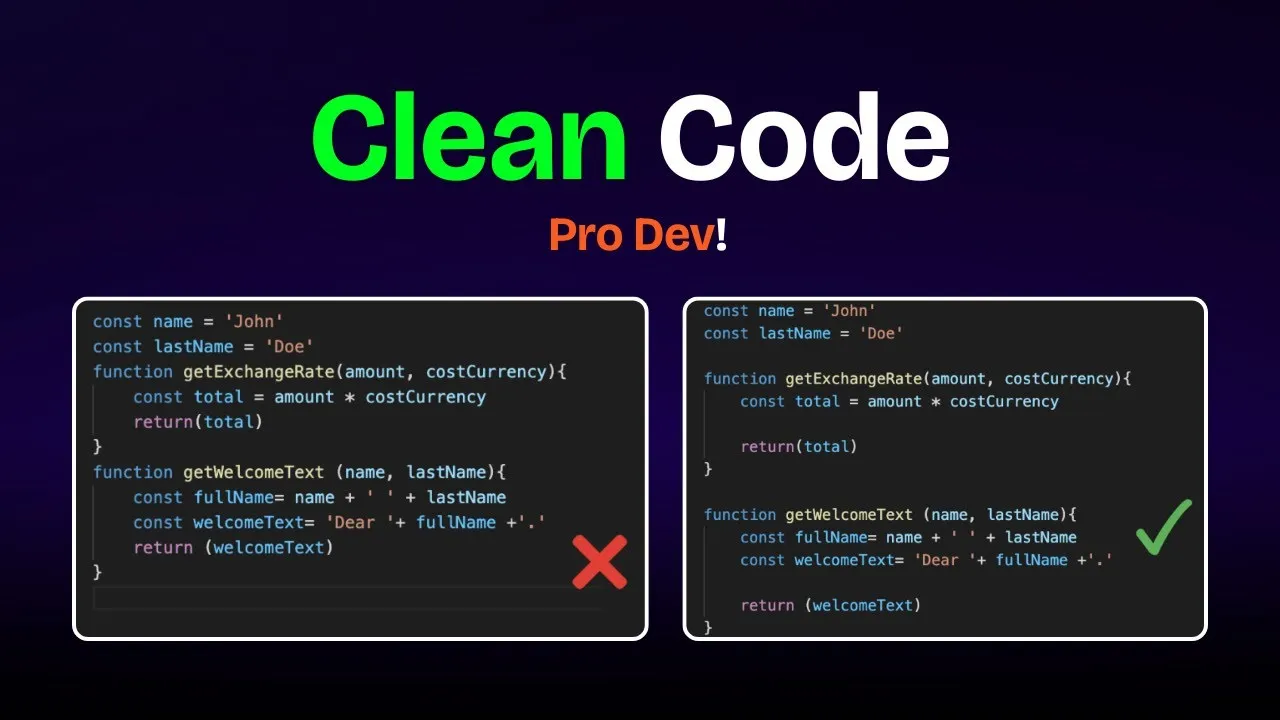
Clean Code vs. Overengineering: Where Should Developers Draw the Line?
Clean code reduces unnecessary complexity; overengineering invents it. A practical guide to using context, evidence, and the cost of change to know when to stop adding abstractions...
Read More
Kafka vs RabbitMQ vs AWS EventBridge: Choosing the Right Architecture Based on Business Requirements
Compare Kafka, RabbitMQ, and AWS EventBridge based on scalability, routing, event streaming, replay, infrastructure, and business requirements to choose the right architecture...
Read More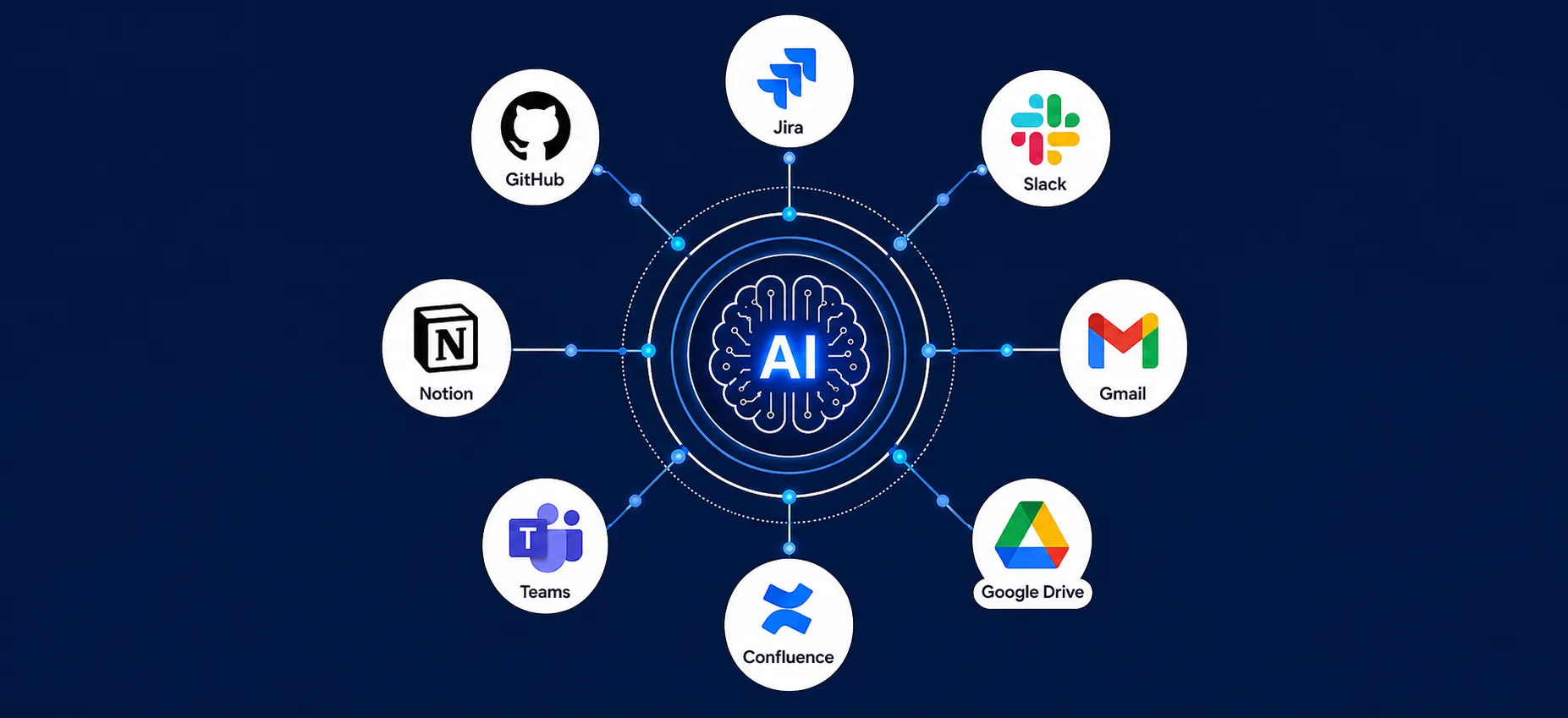
AI Integrations for QA Engineers
Learn how QA engineers can connect AI with Jira, GitHub, Slack, Notion and other tools to improve testing, bug tracking, reporting and QA productivity...
Read More
The Ultimate Guide to Amazon SES Setup with GoDaddy DNS
Learn how to set up Amazon SES with GoDaddy DNS. Complete step-by-step guide covering Easy DKIM, SPF, DMARC, custom MAIL FROM, and exiting the SES Sandbox...
Read More
AWS DevOps Agent Setup Guide with EC2
Learn how to set up AWS DevOps Agent with EC2, CloudWatch, IAM, and Agent Spaces for AI-assisted monitoring, incident investigation, and root-cause analysis...
Read More
Multi-Tenancy Patterns in DynamoDB: Silo, Pool, and Bridge Models
If you've already made the jump from a relational database to DynamoDB see our guide on moving relational data from SQL to DynamoDB...
Read More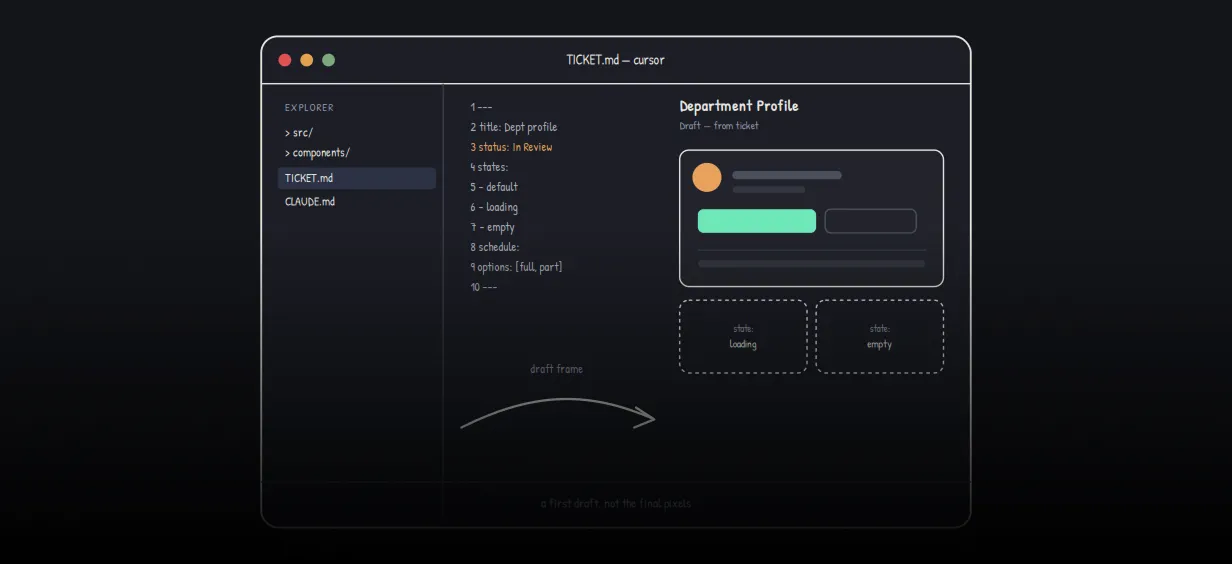
We stopped leaving the IDE to design. Here’s our Cursor → Figma flow
Cursor drafts fast, catches gaps early, and still clips fields and breaks layouts. Here's the real pros-and-cons breakdown of our workflow...
Read More
AWS DevOps Agent: How AI is Automating On-Call Incident Response
If you've ever been on call during a production outage, you know how stressful it can be. Alerts start firing, dashboards light up, and suddenly you're jumping between monitoring tools...
Read More
Catch Missing Images Before Deploy: A Simple Pre-Build Script for Next.js
How Omax Tech added a lightweight image validation gate to Next.js 15 builds on Vercel...
Read MoreReady to Work With Us?
Most engagements start with a 20-minute conversation. No pitch, no pressure - just an honest discussion about what you're building and whether we're the right fit.