
Implementing a Scalable AWS Landing Zone: A Practical Guide for DevOps Teams

Got a project?
Let's discuss your project
Introduction: Why an AWS Landing Zone Matters
An AWS Landing Zone is a well-architected, multi-account AWS environment designed to support scalability, security, compliance, and operational excellence from day one. It provides a standardized foundation where teams can confidently deploy workloads without constantly reinventing governance.
Many organizations begin their AWS journey with a single-account strategy. Initially, this works fine-simple IAM policies, minimal networking, and low operational overhead. However, as the organization grows, this model quickly breaks down:
- Security risks increase due to shared blast radius
- Access management becomes complex and error-prone
- Billing and cost allocation lack clarity
- Compliance and auditing become difficult
- Teams step on each other’s resources
At scale, one account ≠ one environment. This is where an AWS Landing Zone becomes essential-it enforces separation of concerns while enabling speed and autonomy.
Core Pillars of an AWS Landing Zone
A successful landing zone is built on a few non-negotiable pillars:
1. Multi-Account Structure (AWS Organizations)
This pillar focuses on isolating workloads, teams, and environments into separate AWS accounts to reduce blast radius.
It also enables clear billing, ownership, and governance across the organization.
Logical separation of workloads, environments, and teams
Typical structure:
- Management Account
- Security Account
- Log Archive Account
- Shared Services Account
- Workload Accounts (Prod / Non-Prod)
2. Identity & Access Management
- Centralized identity via AWS IAM Identity Center (SSO)
- Integration with corporate IdPs (Azure AD, Okta, Google Workspace)
- Role-based access instead of long-lived IAM users
3. Centralized Logging & Monitoring
- Organization-wide CloudTrail
- Centralized VPC Flow Logs
- CloudWatch and Security Hub aggregation
- Logs stored in a dedicated Log Archive Account
4. Guardrails (Preventive & Detective)
- Service Control Policies (SCPs) to prevent risky actions
- AWS Config rules for compliance detection
- Security Hub for continuous posture management
Implementation Path: Control Tower vs. Custom Landing Zone
Option 1: AWS Control Tower (Managed Approach)
Pros:
- Fast to deploy (hours, not weeks)
- AWS best-practice defaults
- Built-in guardrails (SCPs + Config)
- Native account vending
- Minimal operational overhead
Cons:
- Limited customization
- Guardrails can feel restrictive
- Advanced networking setups require workarounds
- Less flexibility for complex enterprise requirements
Best for: Small to mid-sized organizations or teams that want speed and simplicity
Option 2: Custom Landing Zone (Terraform / CloudFormation)
Pros:
- Full control and flexibility
- Custom networking and security models
- Easier integration with existing enterprise tooling
- No Control Tower constraints
Cons:
- Higher design and maintenance effort
- Requires strong DevOps maturity
- You own upgrades and drift management
Best for: Large enterprises with complex compliance, networking, or organizational needs.
DevOps Best Practices for a Scalable Landing Zone
Infrastructure as Code (IaC) is mandatory:
Use Terraform or CloudFormation for
- Account provisioning
- Baseline IAM roles
- Logging and security services
Treat the landing zone like production code
Account Factory for Terraform (AFT):
Enterprise-grade account provisioning on top of Control Tower
Let's Build Something Great Together
Ready to transform your idea into a powerful software solution? Talk to our experts and get a free consultation.
Contact Us
Git-driven workflows for account creation
Enforces:
- Naming standards
- Networking baselines
- Security controls
Automate Security Baselines
Enforce:
- Mandatory CloudTrail
- Encryption (S3, EBS, RDS)
- Restricted public access
Use CI/CD pipelines to validate changes before deployment.
The goal: secure by default, flexible by design.
Common Pitfalls to Avoid
1. Networking Complexity
Poor CIDR planning leads to IP exhaustion; Using small address blocks like /24 (256 IPs) prevents scaling, as modern services like EKS and Lambda quickly consume available IP addresses until no new resources can launch.
Early decisions are hard to undo; VPC network ranges are immutable once created, meaning a mistake in IP allocation often requires a complete, downtime-heavy migration to a new VPC to fix.
Large, non-overlapping CIDR blocks; Standardizing on large ranges like /16 or /18 ensures you never run out of IPs while preventing 'IP collisions'.
AWS Transit Gateway for scalable connectivity; Transit Gateway replaces the messy web of individual VPC peerings with a single hub that simplifies management and enables massive multi-account growth.
2. Overusing SCPs
Overly restrictive SCPs frustrate developers; When security rules block common tasks without warning, developers lose momentum and start viewing the security team as a barrier to innovation.
Leads to shadow IT and slower delivery; Frustrated teams may bypass corporate governance by using personal accounts or unsanctioned tools, creating massive 'blind spots' in your security posture.
Start permissive, then tighten gradually; Begin with high-level 'safety net' policies in a staging OU, monitor CloudTrail to see what services are actually needed, and only then implement 'deny' rules for unused or high-risk actions.
3. Ignoring Day-2 Operations
Drift Management; Detecting and fixing manual changes that pull your AWS resources away from their secure, code-defined baseline.
Guardrail Updates; Regularly refining security policies (SCPs) and compliance rules to adapt to new AWS services and evolving threats.
Cost Optimization; Constantly rightsizing resources and deleting idle assets to ensure you only pay for what your applications actually use.
Logging Retention Policies; Automating the lifecycle of your audit trails to balance long-term compliance storage with immediate cost savings.
A landing zone is not a one-time setup-it’s a living platform.
Conclusion: A Safe Playground for Innovation
An AWS Landing Zone is not about slowing teams down-it’s about creating a safe playground where innovation can happen without fear.
When done right, it:
- Reduces security and compliance risk
- Enables faster onboarding of teams
- Scales with organizational growth
- Gives DevOps teams confidence and control
Whether you choose AWS Control Tower or a custom IaC-based approach, the key is intentional design. Invest early, and your cloud platform will reward you with speed, safety, and scale.
AI Writes the Code • Stop Blindly Shipping It Without Reviewing the Engineering
A practical perspective on AI-generated code, scalability, maintainability, and engineering judgment and why engineering review still owns the final decision.
Read More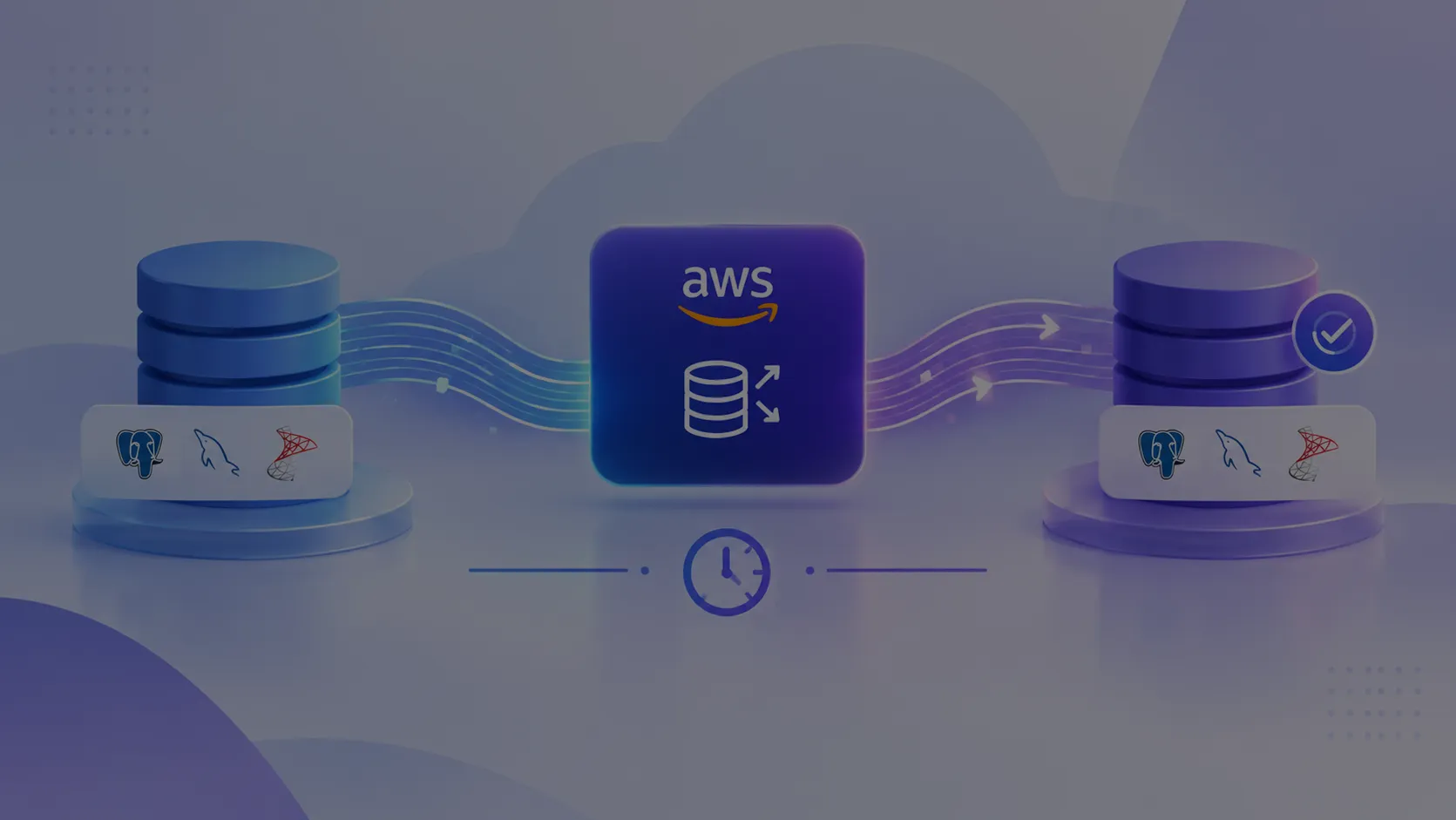
Migrating Databases with AWS DMS With Nearly Zero Downtime
Learn how to migrate databases using AWS DMS with nearly zero downtime using Full Load, CDC, validation, monitoring, and controlled cutover.
Read More
How to Add LiveKit Video Calling to a Next.js App
Add embedded video & audio calling to Next.js with LiveKit Cloud. Compared vs Twilio, Daily, Agora, Zoom — plus token auth, guests & recording.
Read More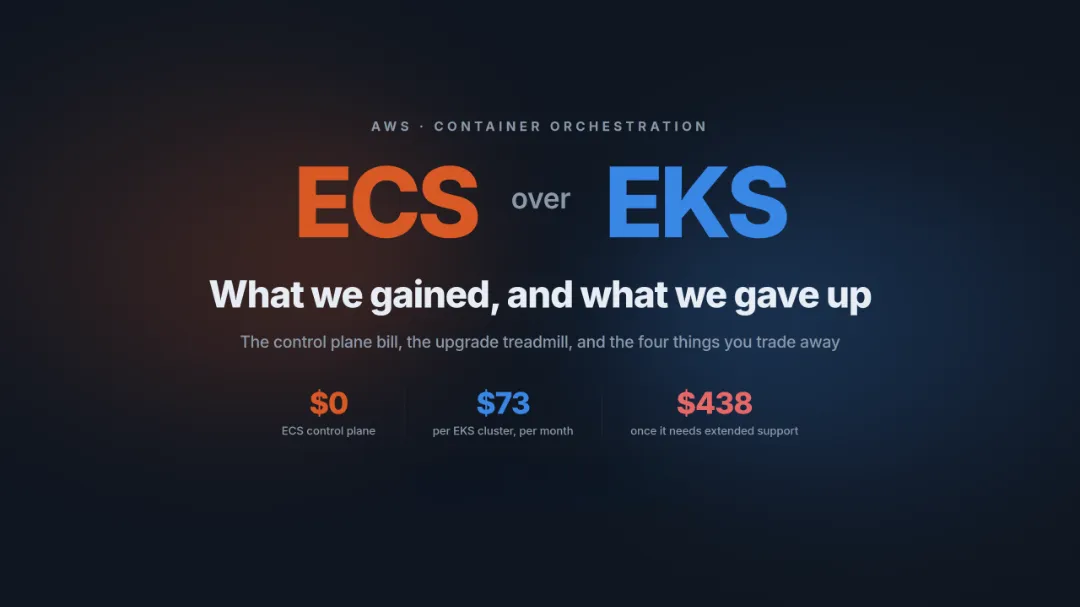
We chose ECS over EKS: what we gained and what we gave up
An honest comparison of ECS vs EKS the costs, tradeoffs, and real-world reasoning behind choosing ECS for a production platform on AWS.
Read More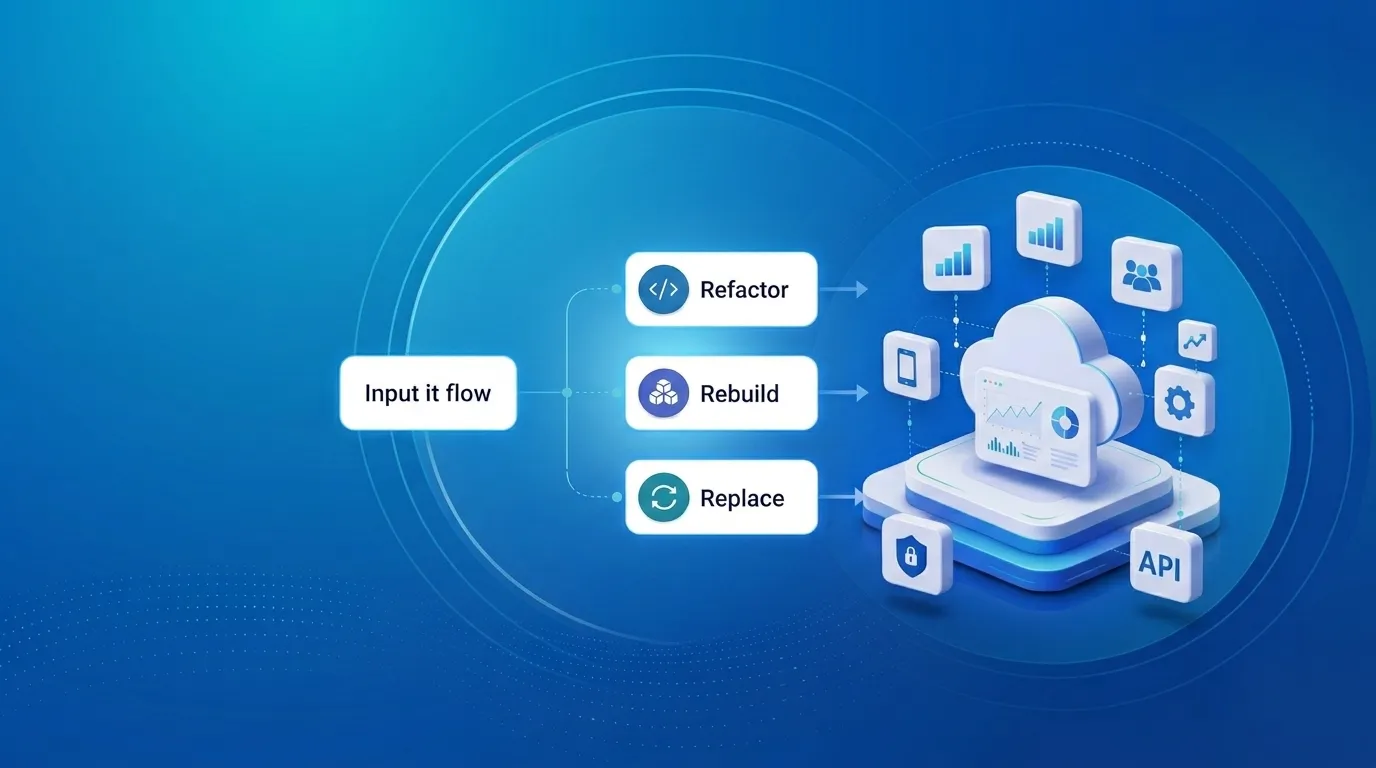
Upgrading Legacy Systems: From Outdated Technology to Competitive Advantage
Learn how to upgrade legacy systems through application modernization, API integration, cloud migration, security improvements, and incremental system upgrades without disrupting business operations.
Read More
Building Distributed Tracing and Observability with AWS X-Ray
A practical guide to correlating requests across a multi-tier application using correlation IDs, AWS X-Ray segments, and structured logging for faster incident debugging.
Read More
Designing Before and After AI: What Really Changed
A look at how AI has transformed UI/UX design from manual wireframes and slow research to AI-assisted prototyping, design-to-code, and personalization at scale.
Read More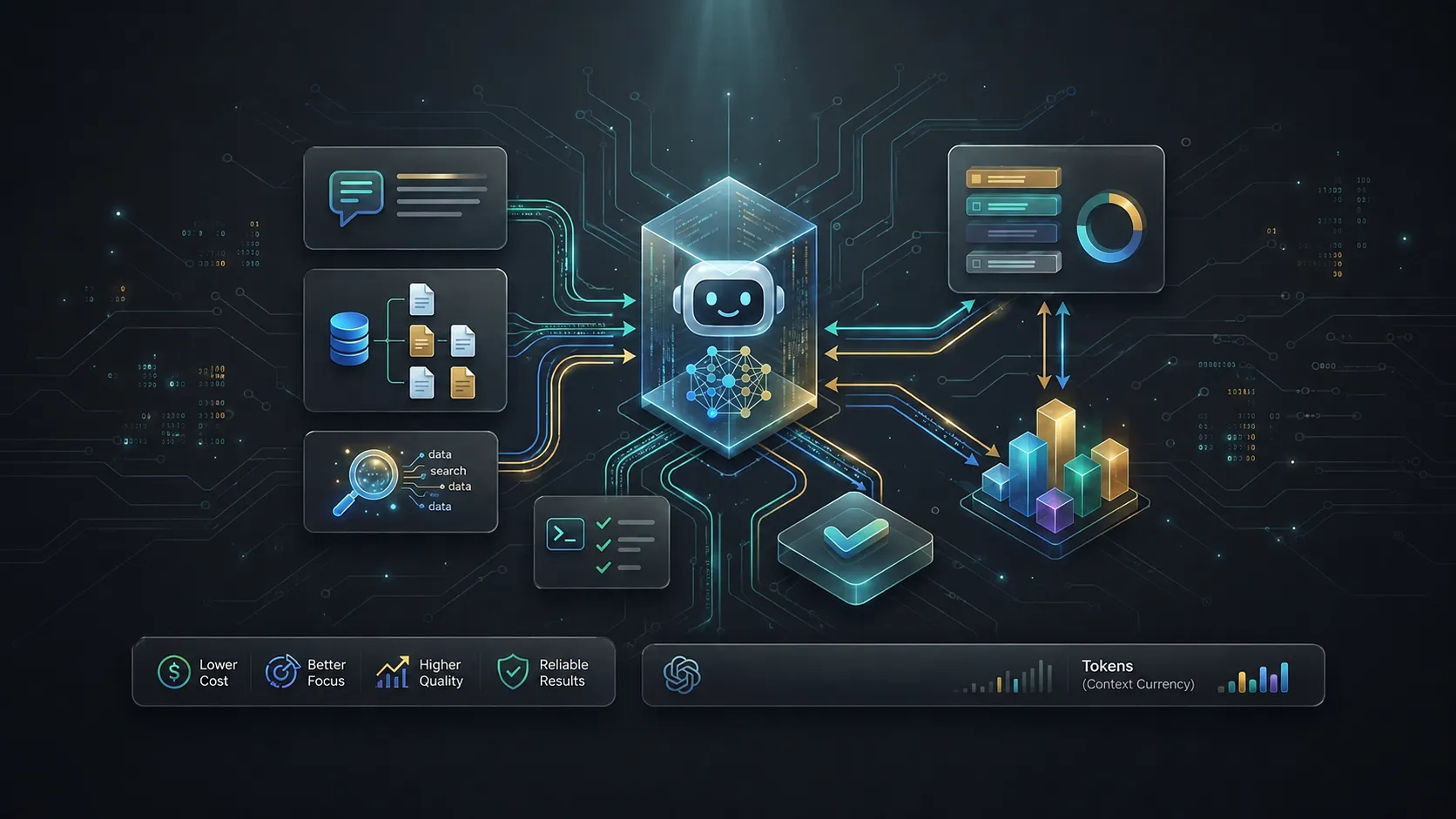
Beyond Prompting: Managing Context and Tokens in AI Coding Tools
Ever wondered why your AI coding agent starts losing context or hits a hard limit mid-task? The answer lies in tokens and the context window. Good AI coding is not about giving the model the most information. It is about giving it the right information at the right time.
Read More
What Is llms.txt? How It Helps Google, AI Search, and Agentic Browsing Find Your Website
Learn what llms.txt is, how it differs from sitemap.xml and robots.txt, and how it can help your site get found by Google, AI search tools, and AI agents.
Read More