
CMMC Level 2 Compliance: More Than a Requirement, It’s a Business Advantage

Got a project?
Let's discuss your project
Introduction
In today’s digital-first economy, trust is the ultimate currency. Customers expect their data to be safeguarded, and regulators demand rigorous accountability. Meanwhile, threat actors are constantly probing for architectural weak points. For organizations aiming to work within the defense industrial base (DIB) or highly regulated sectors, meeting compliance standards is no longer optional-it is essential for competitiveness and credibility.
The Cybersecurity Maturity Model Certification (CMMC) Level 2 is the benchmark for protecting Sensitive Research Information and Controlled Unclassified Information (CUI). It goes beyond surface-level checks, requiring a structured approach to protecting sensitive data, reducing systemic risk, and ensuring operational resilience.
At first glance, CMMC Level 2 can feel like an overwhelming checklist of technical controls. But when you look closer, it’s not just about rules-it’s about building a culture of proactive security. And for forward-thinking organizations, it can even become a competitive differentiator.
What is CMMC Level 2 Compliance?
CMMC 2.0 Level 2 is designed to align with NIST SP 800-171 requirements. It is a structured set of requirements designed to strengthen security practices. While Level 1 focuses on basic foundational safeguards, Level 2 pushes organizations to adopt proactive, documented, and automated controls-ensuring security isn’t just reactive, but built into everyday operations.
For example, On AWS, this means moving away from manual configurations toward automated governance. For example, instead of manually checking if a database is encrypted, CMMC Level 2 requires infrastructure that enforces encryption by default and provides an audit trail to prove it.
The Core Pillars of CMMC Level 2 on AWS
To achieve efficiency and security, AWS provides specific "Conformance Packs" that map technical controls to CMMC domains. Here are the six major technical pillars:
1. Identity and Access Management (IAM)
This domain ensures that only authorized individuals have specific access to resources, following the principle of Least Privilege.
- Key Requirements:
- Enforcing Multi-Factor Authentication (MFA) for all users and specifically for AWS Console access.
- Prohibiting the use of Root Account Access Keys.
- Eliminating Inline Policies in favor of managed policies to ensure centralized governance.
- Ensuring no IAM policies grant full * administrative privileges unless strictly necessary.
2. Data Protection (Encryption and Storage)
Level 2 requires data to be encrypted both at rest and in transit using FIPS-validated cryptography where applicable.
- Key Requirements:
- S3 Security: Enabling server-side encryption (SSE) and blocking public access at the bucket level.
- Database Encryption: Ensuring RDS storage, snapshots, DynamoDB tables, and EFS volumes use AWS Key Management Service (KMS).
- Secret Management: Utilizing AWS Secrets Manager with automatic credential rotation enabled to prevent long-lived credential leaks.
3. Network Security
Architectures must be designed to minimize the "blast radius" of a potential breach by restricting network exposure.
- Key Requirements:
- Restricting Public Exposure: Disallowing public IP addresses on EC2 instances unless they are within a designated DMZ.
- Security Group Hardening: Closing high-risk ports (e.g., SSH 22, RDP 3389) to be accessible directly to the public internet
- Secure Communication: Enforcing TLS/HTTPS for Load Balancers and API Gateway endpoints.
- IMDSv2: Requiring Instance Metadata Service Version 2 to prevent SSRF (Server-Side Request Forgery) attacks.
4. Logging and Monitoring
Visibility is the cornerstone of CMMC. If an event isnt logged, it didnt happen in the eyes of an auditor.
Let's Build Something Great Together
Ready to transform your idea into a powerful software solution? Talk to our experts and get a free consultation.
Contact Us
- Key Requirements:
- CloudTrail: Must be enabled across all regions with Log File Validation turned on to ensure log integrity.
- Centralized Logging: Forwarding VPC Flow Logs, S3 Access Logs, and RDS logs to a centralized, encrypted S3 bucket or CloudWatch Logs.
- Threat Detection: Enabling Amazon GuardDuty to monitor for malicious activity and unauthorized behavior continuously.
5. Vulnerability and Patch Management
Organizations must demonstrate they are actively defending against known exploits.
- Key Requirements:
- AWS Systems Manager (SSM): Using SSM to manage EC2 instances for automated patching and configuration compliance.
- Vulnerability Scanning: Implementing regular scans of container images (Amazon ECR) and EC2 instances (Amazon Inspector).
6. Operational Resilience and Backup
CMMC Level 2 emphasizes the ability to recover from "incidents," whether they are cyberattacks or system failures.
- Key Requirements:
- Automated Backups: Ensuring RDS, Redshift, and ElastiCache have automated backup windows and defined retention periods.
- S3 Versioning: Protecting against accidental or malicious deletion by keeping multiple versions of an object.
- Lifecycle Policies: Enforcing data retention periods that align with regulatory requirements.
Why CMMC Level 2 Matters Beyond the Audit
Treating compliance as a "check-the-box" exercise is a missed opportunity. CMMC Level 2 offers tangible business benefits:
- Protecting Trust: Providing proof of high-level security controls makes you a preferred partner for government and enterprise contracts.
- Reducing Operational Risk: Automated safeguards reduce downtime, prevent data loss, and minimize vulnerabilities.
- Scalability: By building your AWS environment according to these best practices now, you avoid the "technical debt" of re-architecting your security later.
Also many industries require evidence of Level 2 compliance before awarding contracts. Compliance isn’t just about avoiding penalties-it is about creating conditions for secure, sustainable business growth.
Challenges on the Road to Compliance
While the benefits are clear, many organizations encounter challenges. Achieving this level of maturity isnt without hurdles:
- Legacy Systems: Older applications may not support modern encryption or API-based logging.
- Configuration Drift: Security settings can "drift" over time as developers make quick changes. This requires AWS Config to monitor and remediate changes in real-time.
- Complexity: Managing dozens of AWS accounts requires a landing zone strategy (AWS Control Tower).
These challenges underscore the need for automation and continuous compliance monitoring rather than treating compliance as a one-time project.
Turning Compliance Into Confidence
At QaviTech, we view CMMC Level 2 as a catalyst for growth, an opportunity to strengthen business operations. By aligning people, processes, and technology, we help organizations:
- Audit-Ready Mapping: We map your current AWS architecture to the CMMC Level 2 requirements.
- Automated Remediation: We deploy AWS Config Rules and Conformance Packs to automatically fix non-compliant resources.
- Continuous Monitoring: We build dashboards that provide a real-time view of your compliance posture.
Final Thoughts
Cybersecurity is not a destination; it is a continuous state of adaptation. CMMC Level 2 is more than a technical requirement-it is a framework for building resilience, accountability, and trust. Organizations that embrace these standards today will be the ones that lead the digital economy tomorrow.
By focusing on IAM, data protection, network security, monitoring, vulnerability management, and resilience, organizations move beyond compliance into a position of strength.
The companies that thrive in the digital economy will be those that treat compliance not as a burden, but as a catalyst for trust and growth.
AI Writes the Code • Stop Blindly Shipping It Without Reviewing the Engineering
A practical perspective on AI-generated code, scalability, maintainability, and engineering judgment and why engineering review still owns the final decision.
Read More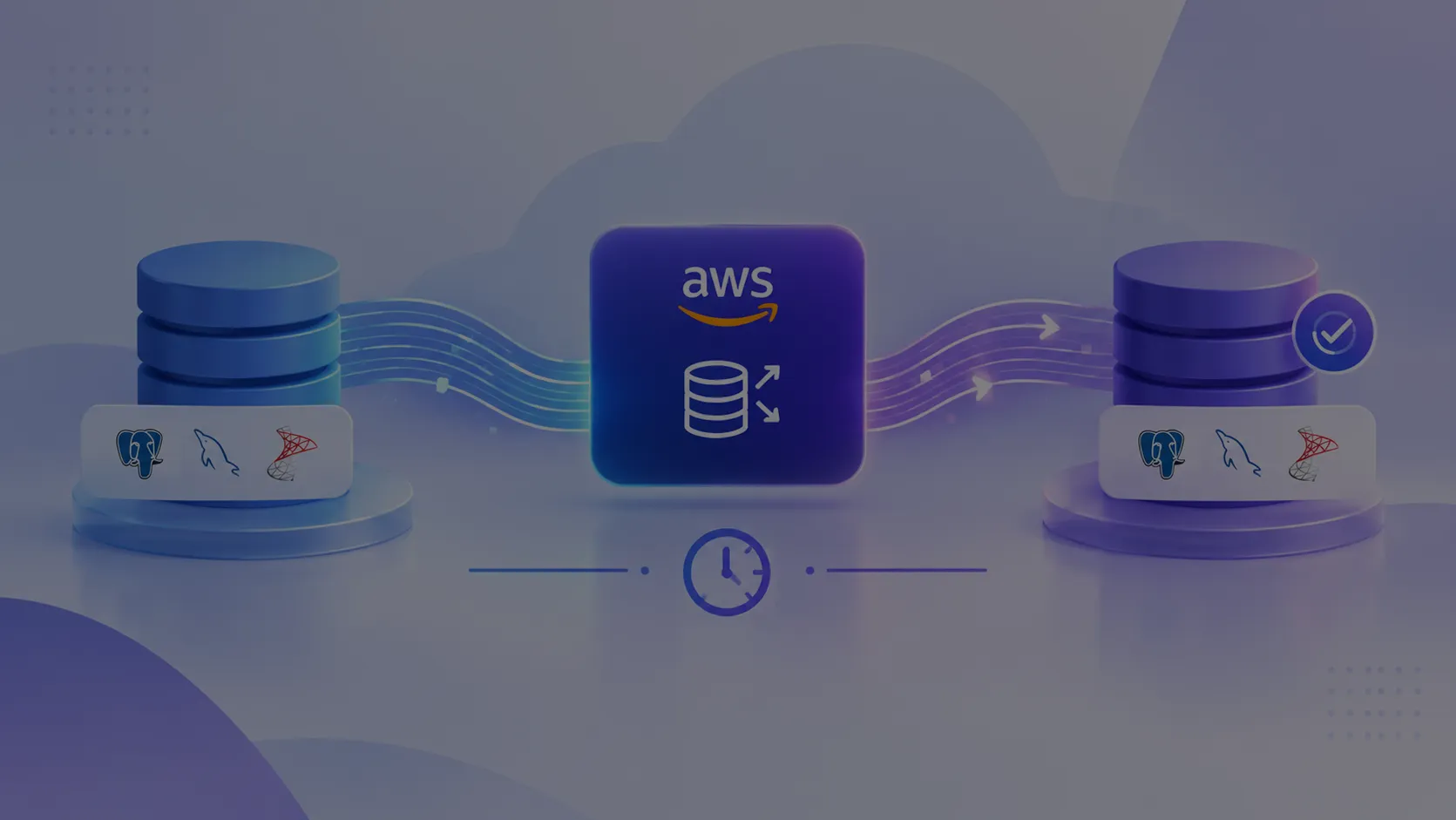
Migrating Databases with AWS DMS With Nearly Zero Downtime
Learn how to migrate databases using AWS DMS with nearly zero downtime using Full Load, CDC, validation, monitoring, and controlled cutover.
Read More
How to Add LiveKit Video Calling to a Next.js App
Add embedded video & audio calling to Next.js with LiveKit Cloud. Compared vs Twilio, Daily, Agora, Zoom — plus token auth, guests & recording.
Read More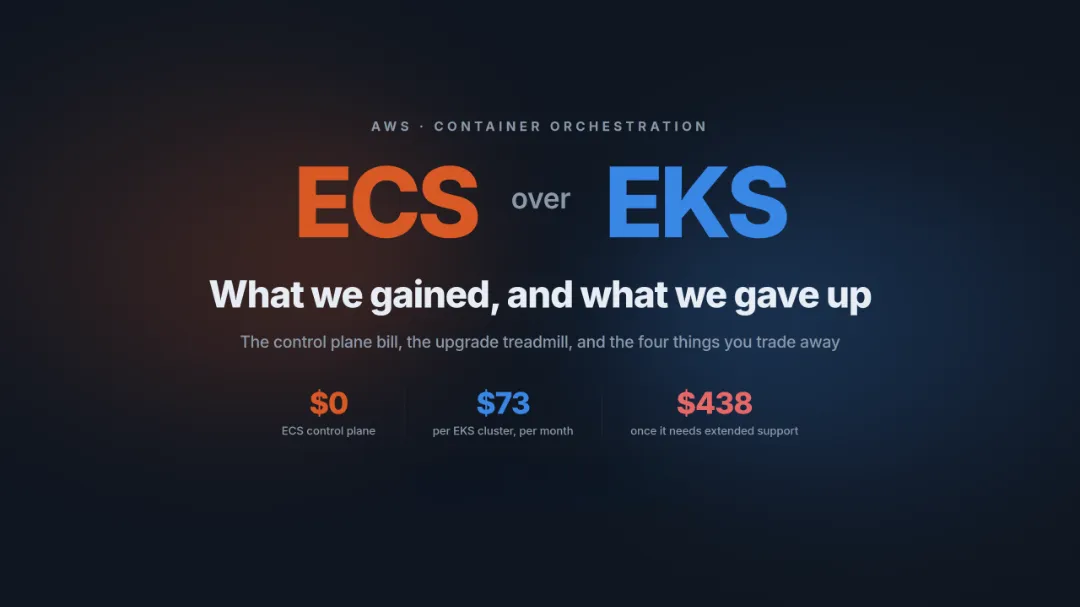
We chose ECS over EKS: what we gained and what we gave up
An honest comparison of ECS vs EKS the costs, tradeoffs, and real-world reasoning behind choosing ECS for a production platform on AWS.
Read More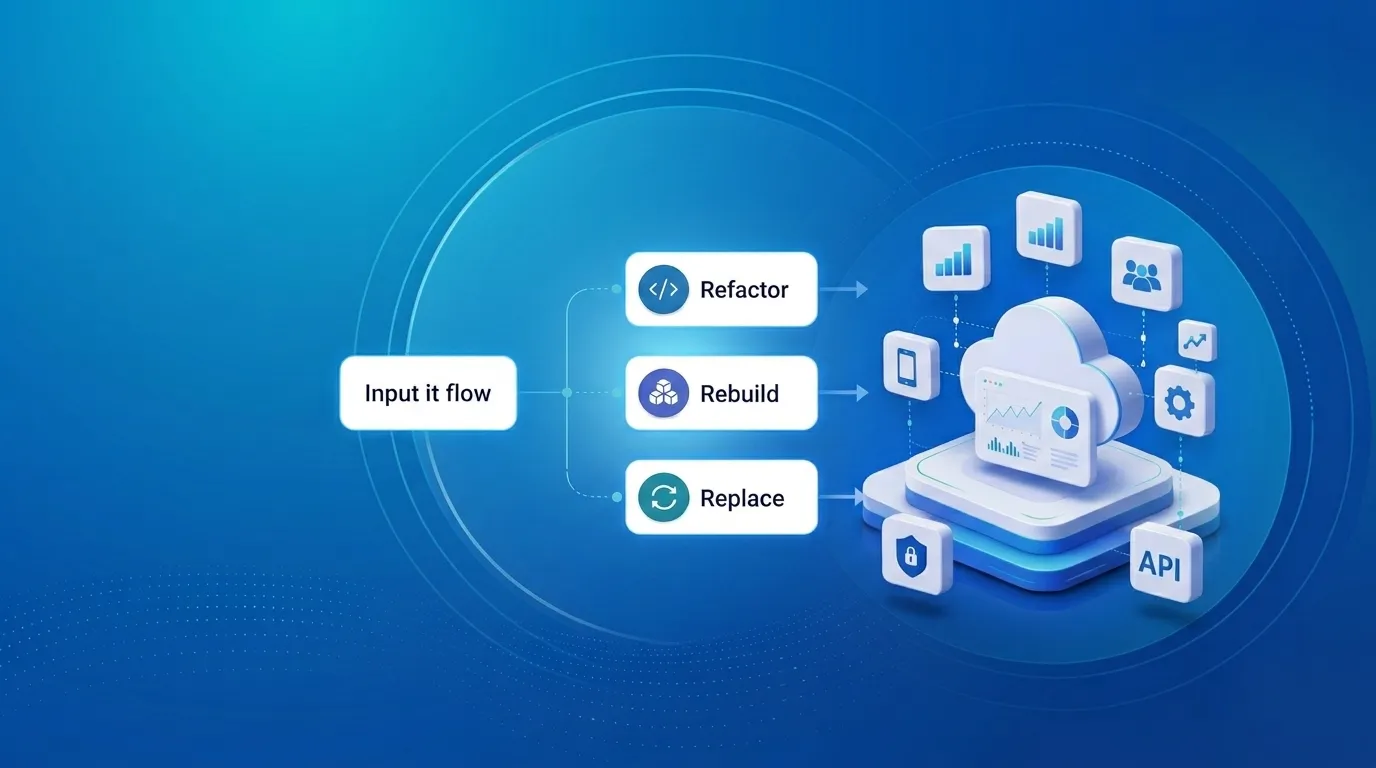
Upgrading Legacy Systems: From Outdated Technology to Competitive Advantage
Learn how to upgrade legacy systems through application modernization, API integration, cloud migration, security improvements, and incremental system upgrades without disrupting business operations.
Read More
Building Distributed Tracing and Observability with AWS X-Ray
A practical guide to correlating requests across a multi-tier application using correlation IDs, AWS X-Ray segments, and structured logging for faster incident debugging.
Read More
Designing Before and After AI: What Really Changed
A look at how AI has transformed UI/UX design from manual wireframes and slow research to AI-assisted prototyping, design-to-code, and personalization at scale.
Read More
Beyond Prompting: Managing Context and Tokens in AI Coding Tools
Ever wondered why your AI coding agent starts losing context or hits a hard limit mid-task? The answer lies in tokens and the context window. Good AI coding is not about giving the model the most information. It is about giving it the right information at the right time.
Read More
What Is llms.txt? How It Helps Google, AI Search, and Agentic Browsing Find Your Website
Learn what llms.txt is, how it differs from sitemap.xml and robots.txt, and how it can help your site get found by Google, AI search tools, and AI agents.
Read More