Our Proven Web Development Process That Delivers Real Results

Got a project?
Let's discuss your project
Introduction
In software development, success does not come from coding alone. Real results come from understanding business needs, planning the right workflow, building user-friendly designs, testing thoroughly, and improving the product continuously based on client feedback.
At Omax Tech, we follow a structured and practical software development process that helps us deliver solutions that are not only functional, but also aligned with real business goals. Our focus is always on building software that solves problems, supports operations, and creates measurable value for the client.
Why a Clear Software Development Process Matters
Many software projects fail because the process is unclear. Sometimes requirements are incomplete, workflows are not properly discussed, or the client is involved too late. This creates confusion, delays, rework, and a final product that does not fully match business expectations.
That is why having a clear software development process is important. A strong process helps teams stay aligned, reduces mistakes, and ensures that every stage of development moves in the right direction.
1. Understanding Business Requirements First
Every successful software project starts with proper requirement gathering.
Before starting development, we work closely with the client to understand their business model, challenges, and goals. We discuss what they want to achieve, how their current process works, and what kind of solution will bring the best results.
This step is important because software should be built around real business needs, not assumptions.
2. Creating the Workflow Before Development Starts
Once the requirements are clear, we define the workflow of the system.
For example, in one of our projects, we built a quota setup mechanism. Before development, we carefully mapped the process with the client. We discussed how quota would be set, how plan creation would work, how calculations would behave, and how those plans would later be assigned to employees.
By creating the workflow first, we made sure the system logic matched the client’s actual business process.
3. Designing UI/UX and Taking Client Approval
After finalizing the workflow, we move to UI/UX design.
At this stage, we prepare the interface based on the approved process and share it with the client. This helps the client visualize how the software will work and ensures that expectations are aligned before actual development begins.
Client approval at the UI/UX stage reduces confusion later and saves time during development.
4. Building the System Step by Step
Once the design is approved, development begins.
Instead of building everything in isolation, we follow a collaborative and phased approach. We start implementing the agreed modules one by one. In the quota-related example, this included:
Let's Build Something Great Together
Ready to transform your idea into a powerful software solution? Talk to our experts and get a free consultation.
Contact Us
- how quota would be configured
- how calculations would be applied
- how plans would be created
- how those plans would be assigned to employees
This step-by-step development process keeps the work organized and gives the client better visibility into progress.
5. Testing the Software Carefully
Testing is one of the most critical parts of our software development process.
After development, we test the system in detail to make sure every feature works correctly. This includes checking:
- workflow behavior
- business logic
- quota calculations
- plan creation
- employee assignment
- overall user experience
Our QA process helps us identify issues early and ensures that the software is stable before it reaches the client in a broader environment.
6. Releasing the Product for Beta Testing
Once the core functionality is tested internally, we move the product to beta testing.
Beta testing gives the client a chance to use the software in a more realistic way. At this stage, they can review the flow, validate the calculations, and confirm whether the system truly supports their operations.
This phase is valuable because it often reveals practical improvements or missing requirements that are difficult to identify in early discussions.
7. Improving the Product Along the Way
One of the reasons we achieve real results is that we do not treat development as a one-time handoff.
If something is missing during beta testing or if the client identifies a new requirement, we continue improving the system alongside them. We develop missing features, refine workflows, and deliver updates continuously.
This flexible and collaborative approach allows us to stay aligned with the client and build software that actually works in real business environments.
8. Delivering Real Results Through Continuous Collaboration
Software development delivers the best results when the client and development team move together throughout the project.
Our process is based on collaboration, approval, testing, feedback, and improvement. Instead of waiting until the very end, we keep delivering value at every stage. This helps clients see progress, share feedback early, and shape the final product with confidence.
That is how we turn business requirements into working software that delivers real results.
Final Thoughts
A successful software solution is never built by chance. It is built through a clear process, open communication, strong workflow planning, thoughtful design, accurate development, and detailed testing.
At Omax Tech, our proven software development process helps us transform business ideas into practical, scalable, and result-driven solutions. From requirement gathering to beta testing and continuous delivery, every step is focused on creating software that supports real business growth.
When the process is right, the results become real.
AI Writes the Code • Stop Blindly Shipping It Without Reviewing the Engineering
A practical perspective on AI-generated code, scalability, maintainability, and engineering judgment and why engineering review still owns the final decision.
Read More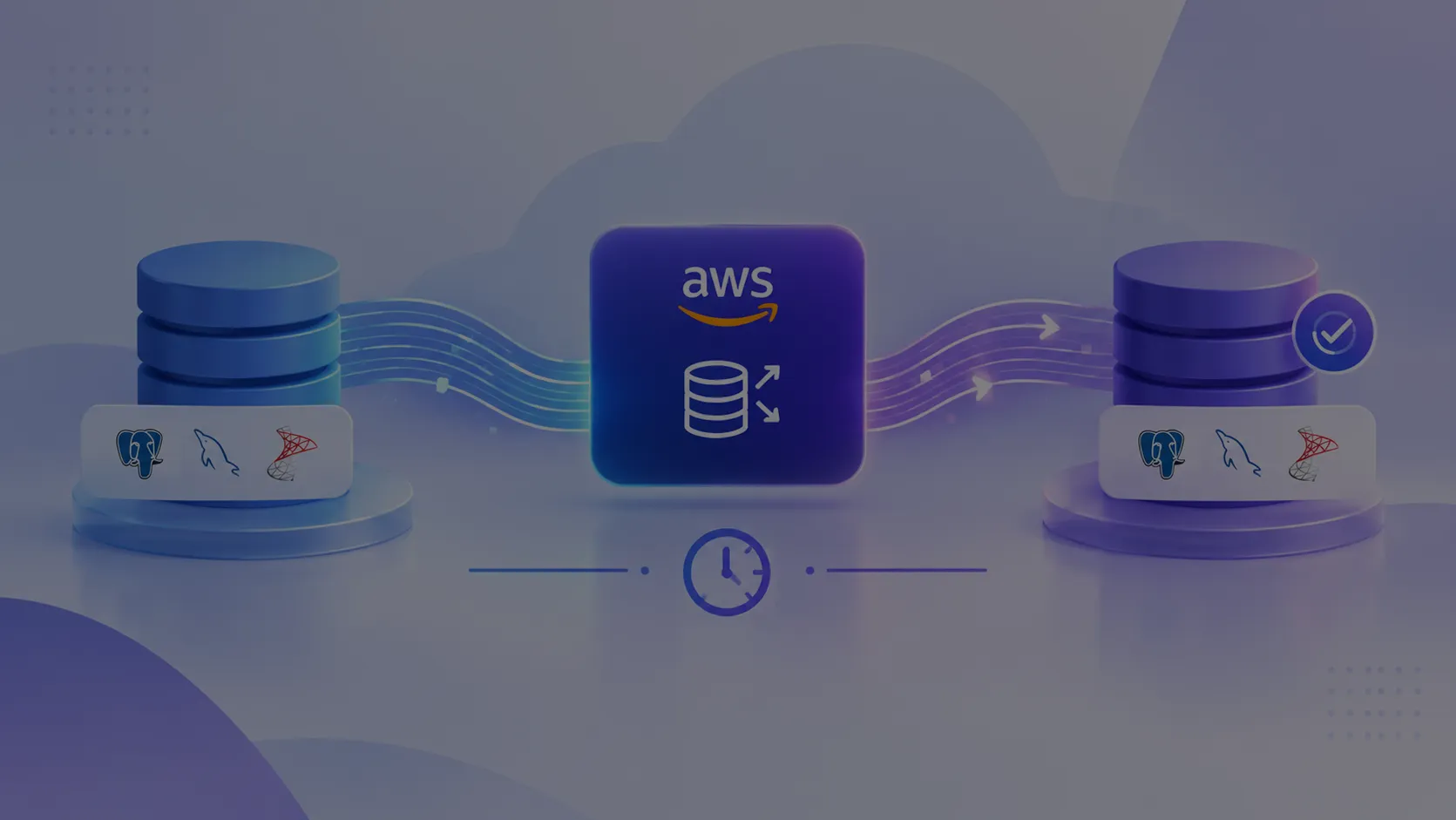
Migrating Databases with AWS DMS With Nearly Zero Downtime
Learn how to migrate databases using AWS DMS with nearly zero downtime using Full Load, CDC, validation, monitoring, and controlled cutover.
Read More
How to Add LiveKit Video Calling to a Next.js App
Add embedded video & audio calling to Next.js with LiveKit Cloud. Compared vs Twilio, Daily, Agora, Zoom — plus token auth, guests & recording.
Read More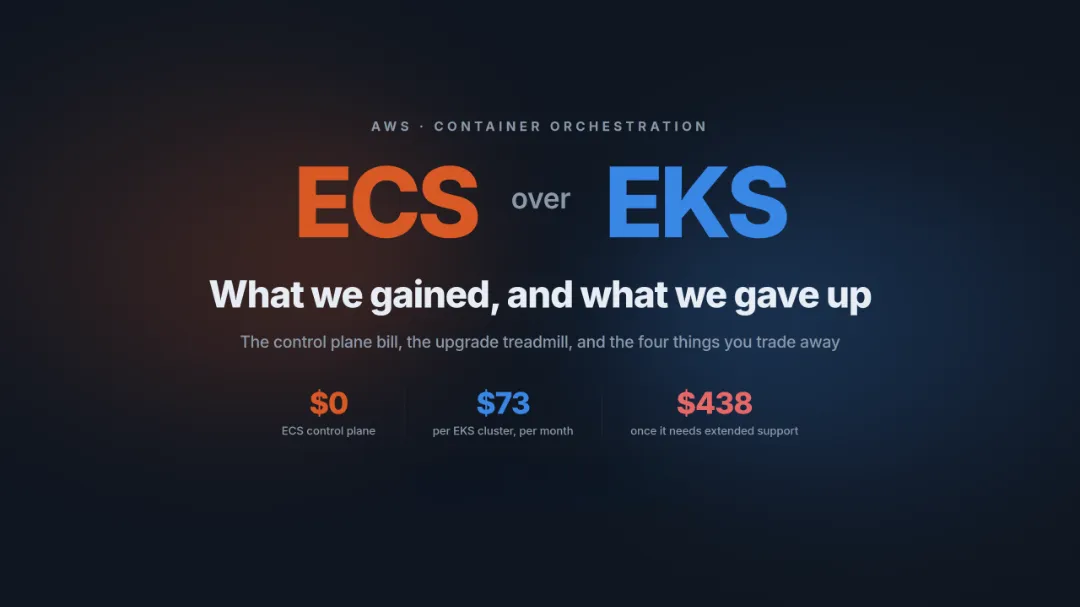
We chose ECS over EKS: what we gained and what we gave up
An honest comparison of ECS vs EKS the costs, tradeoffs, and real-world reasoning behind choosing ECS for a production platform on AWS.
Read More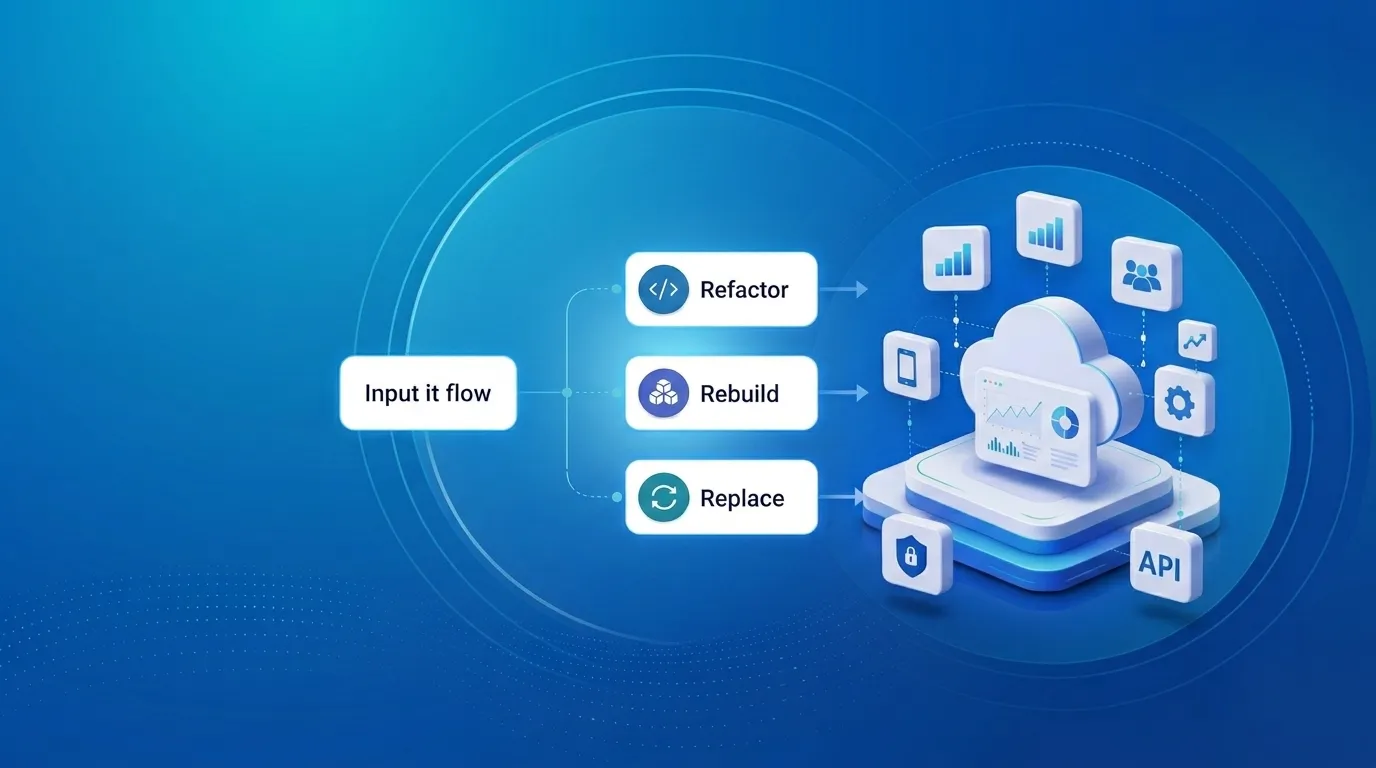
Upgrading Legacy Systems: From Outdated Technology to Competitive Advantage
Learn how to upgrade legacy systems through application modernization, API integration, cloud migration, security improvements, and incremental system upgrades without disrupting business operations.
Read More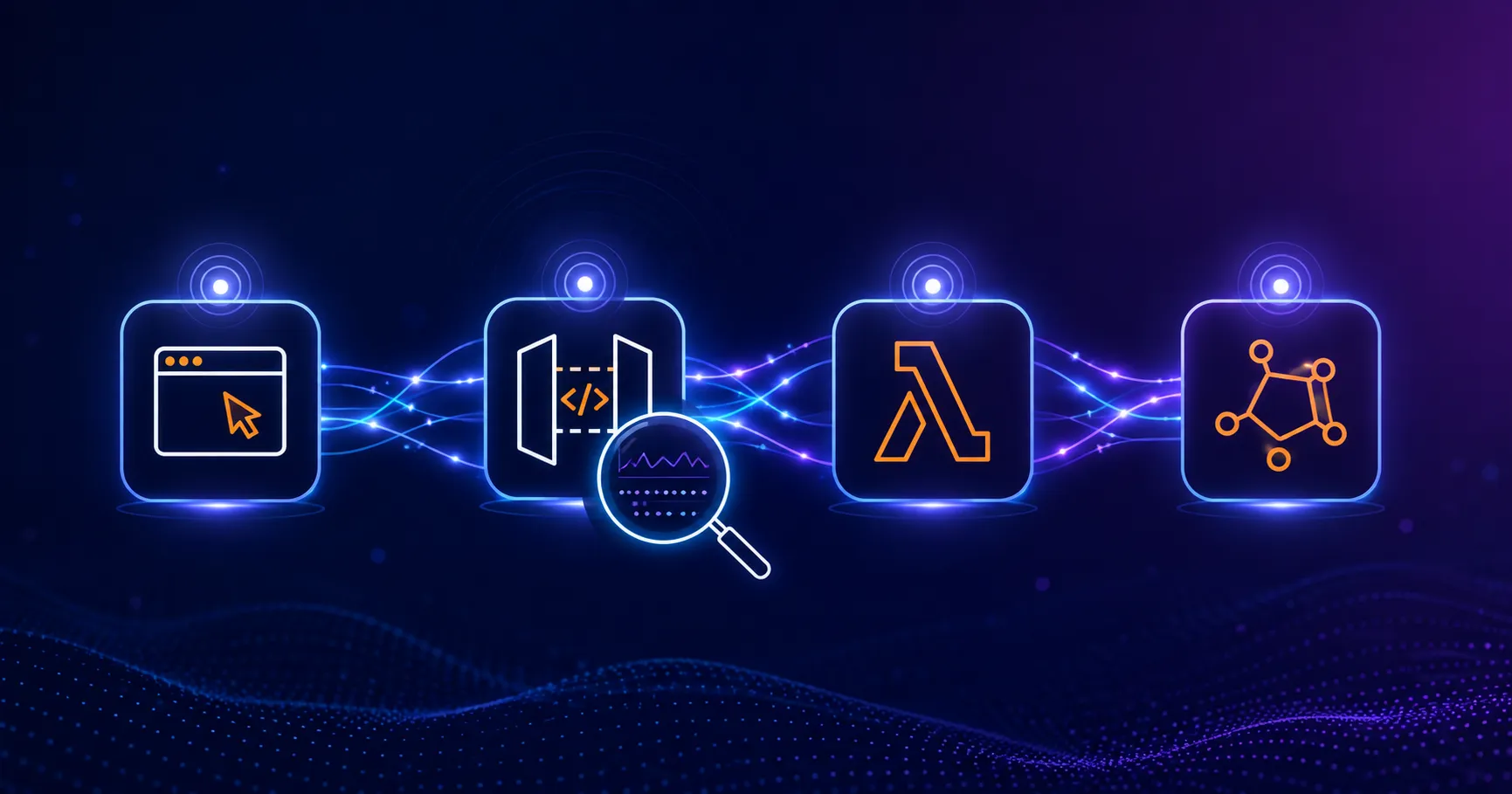
Building Distributed Tracing and Observability with AWS X-Ray
A practical guide to correlating requests across a multi-tier application using correlation IDs, AWS X-Ray segments, and structured logging for faster incident debugging.
Read More
Designing Before and After AI: What Really Changed
A look at how AI has transformed UI/UX design from manual wireframes and slow research to AI-assisted prototyping, design-to-code, and personalization at scale.
Read More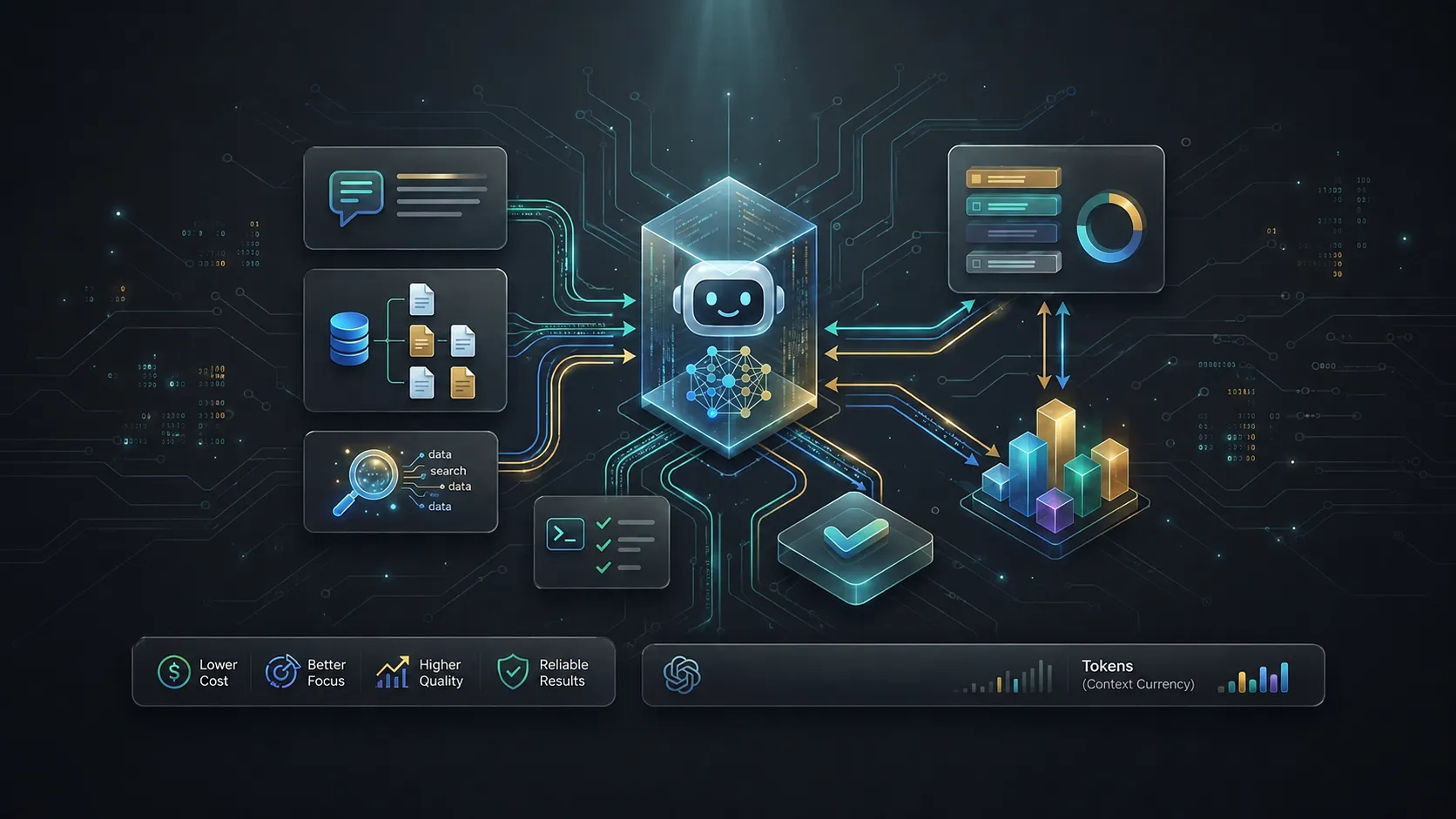
Beyond Prompting: Managing Context and Tokens in AI Coding Tools
Ever wondered why your AI coding agent starts losing context or hits a hard limit mid-task? The answer lies in tokens and the context window. Good AI coding is not about giving the model the most information. It is about giving it the right information at the right time.
Read More
What Is llms.txt? How It Helps Google, AI Search, and Agentic Browsing Find Your Website
Learn what llms.txt is, how it differs from sitemap.xml and robots.txt, and how it can help your site get found by Google, AI search tools, and AI agents.
Read More