
Secure AWS Connectivity Using AWS Systems Manager (SSM)

Got a project?
Let's discuss your project
A Modern Zero-Trust Approach for Databases & Private Resources
Introduction
In traditional cloud architectures, secure access to private resources such as databases and internal servers often relies on bastion hosts, SSH keys, and open inbound ports. While functional, these approaches introduce security risks, operational overhead, and scaling limitations.
Modern cloud-native organizations are shifting toward a Zero-Trust, agent-based access model using Amazon Web Services Systems Manager (SSM).
This approach eliminates the need for SSH exposure and enables secure, auditable, and scalable connectivity to private resources including databases, EC2 instances, and internal services.
What is AWS Systems Manager (SSM)?
AWS Systems Manager is a fully managed service that allows you to securely manage and access EC2 instances and private infrastructure without opening inbound ports.
Instead of SSH or bastion hosts, SSM uses:
- SSM Agent installed on instances
- IAM-based authentication
- Outbound HTTPS (443) connectivity only
This creates a secure, firewall-friendly, and fully auditable access model.
Key Benefits
Traditional architecture:
- SSH exposed via bastion host
- Security groups with inbound rules
- Manual key management
SSM-based architecture:
- No inbound ports required
- No SSH keys required
- Fully IAM-controlled access
- Session logs and audit trails
Core Use Cases of SSM Connectivity
Database Access (RDS / MongoDB / Internal DBs)
Securely connect to databases inside private subnets using port forwarding via SSM Session Manager.
EC2 Instance Access
Replace SSH with secure session-based access.
Internal Service Debugging
Access microservices running in private VPCs without exposing them publicly.
DevOps Operations
Run scripts, deployments, and troubleshooting commands remotely.
Secure Architecture Overview
Typical SSM-based architecture includes:
Let's Build Something Great Together
Ready to transform your idea into a powerful software solution? Talk to our experts and get a free consultation.
Contact Us
- Private VPC (no public SSH access)
- EC2 instances with SSM Agent installed
- IAM role attached to instances
- VPC endpoints for Systems Manager
- Session Manager for access control
This ensures zero public exposure of infrastructure.
Security Best Practices
1. Eliminate SSH Completely
Disable SSH access and remove port 22 from security groups. All access should go through SSM Session Manager.
2. Use IAM-Based Access Control
Control access using IAM policies:
- Developer access
- DevOps access
- Read-only audit access
No shared credentials or key files.
3. Enable Session Logging
All sessions should be logged to:
- Amazon S3
- Amazon CloudWatch Logs
This ensures full auditability and compliance readiness.
4. Use VPC Endpoints (No Internet Dependency)
Configure private endpoints for:
- SSM
- EC2 Messages
- Systems Manager Messages
This keeps traffic fully private within AWS network.
5. Enforce Least Privilege Access
Grant only required permissions:
- StartSession
- DescribeInstances
- TerminateSession (restricted)
6. Secure Database Access via Port Forwarding
Instead of exposing databases:
- Use SSM Session Manager port forwarding
- Connect locally to RDS or internal DB securely
Example use case:
Access MongoDB or PostgreSQL without public exposure
How SSM Improves DevOps Efficiency
- No bastion host maintenance
- No SSH key rotation headaches
- Faster debugging and troubleshooting
- Centralized access control
- Fully auditable sessions
Business Impact
Organizations adopting SSM-based access experience:
- 90% reduction in exposed attack surface
- Faster incident response time
- Lower operational overhead (no bastion infrastructure)
- Improved compliance (SOC2, ISO, PCI readiness)
- Better developer experience
Real-World Workflow Example
- Developer selects EC2 instance
- Starts SSM session via AWS Console or CLI
- IAM policy validates access
- Session logs are recorded automatically
- Developer securely accesses database via port forwarding
- No SSH keys. No public IPs. No risk exposure.
Final Thoughts
SSM represents a major shift toward Zero-Trust Infrastructure Access.
By eliminating SSH and bastion-based models, organizations can achieve:
- Stronger security
- Simpler operations
- Full audit compliance
- Scalable infrastructure access
For modern cloud architectures, SSM is not just an option-it is a security standard.
AI Writes the Code • Stop Blindly Shipping It Without Reviewing the Engineering
A practical perspective on AI-generated code, scalability, maintainability, and engineering judgment and why engineering review still owns the final decision.
Read More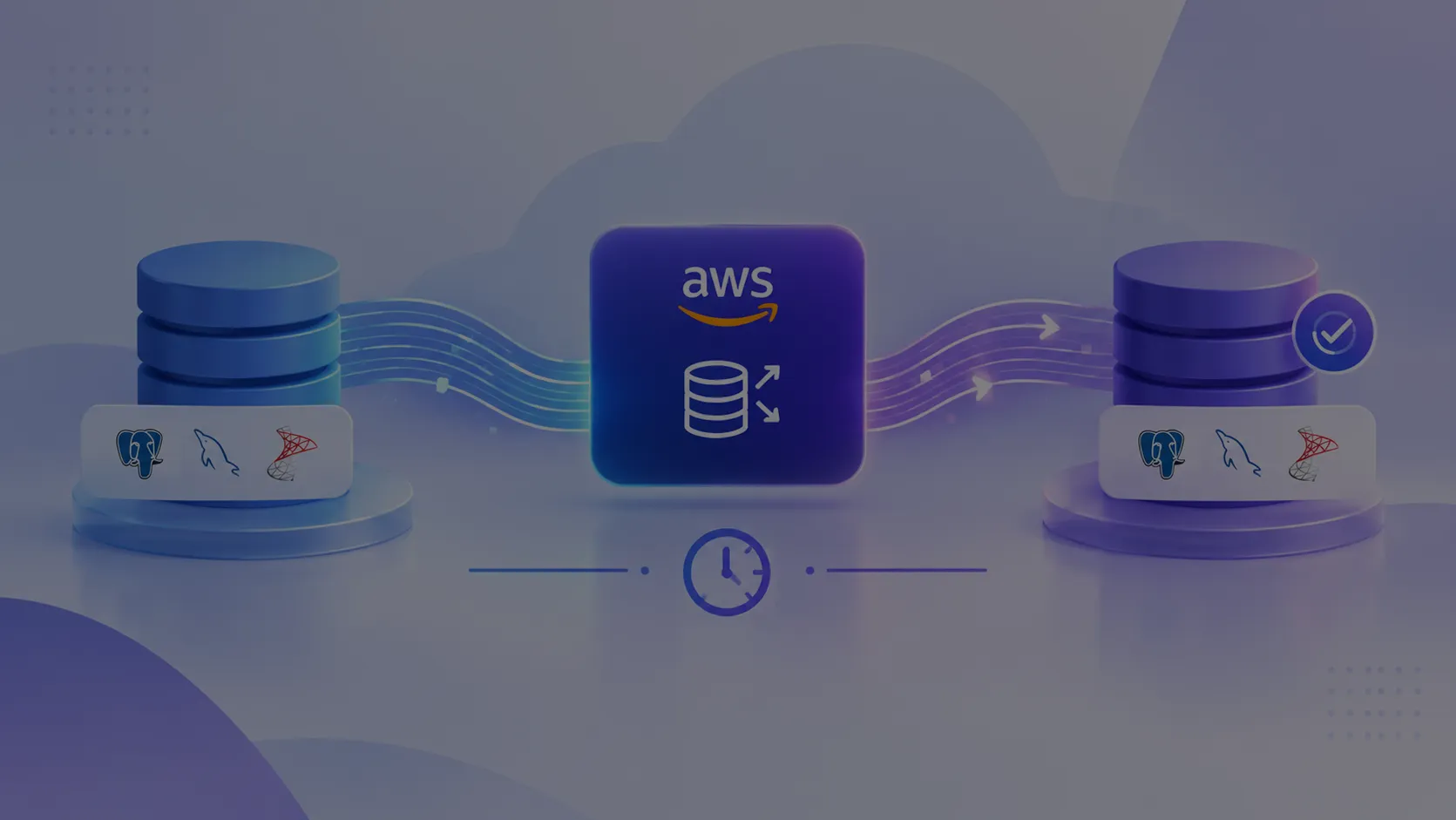
Migrating Databases with AWS DMS With Nearly Zero Downtime
Learn how to migrate databases using AWS DMS with nearly zero downtime using Full Load, CDC, validation, monitoring, and controlled cutover.
Read More
How to Add LiveKit Video Calling to a Next.js App
Add embedded video & audio calling to Next.js with LiveKit Cloud. Compared vs Twilio, Daily, Agora, Zoom — plus token auth, guests & recording.
Read More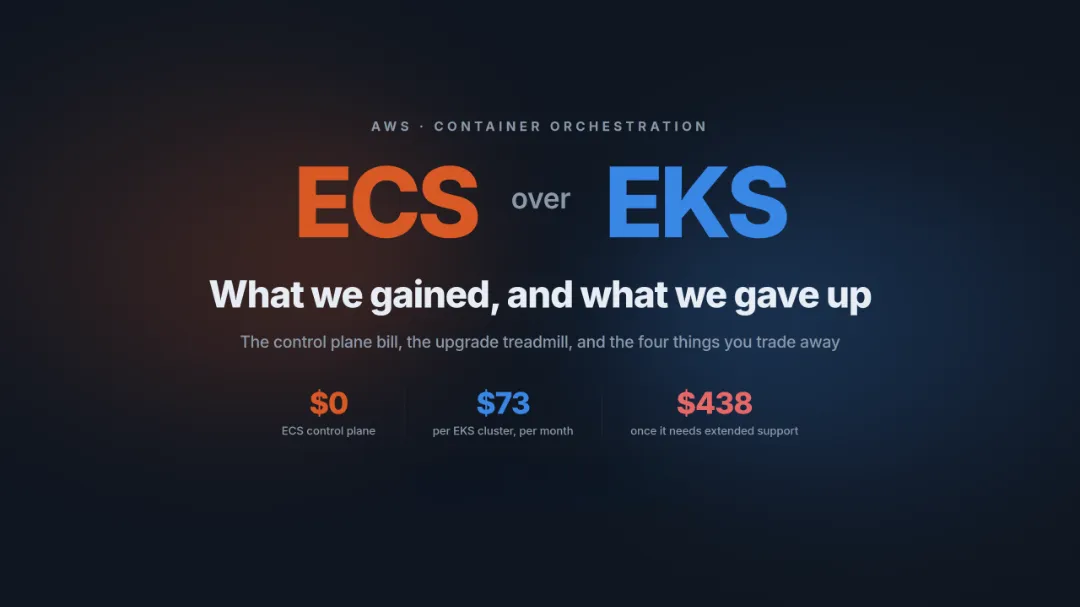
We chose ECS over EKS: what we gained and what we gave up
An honest comparison of ECS vs EKS the costs, tradeoffs, and real-world reasoning behind choosing ECS for a production platform on AWS.
Read More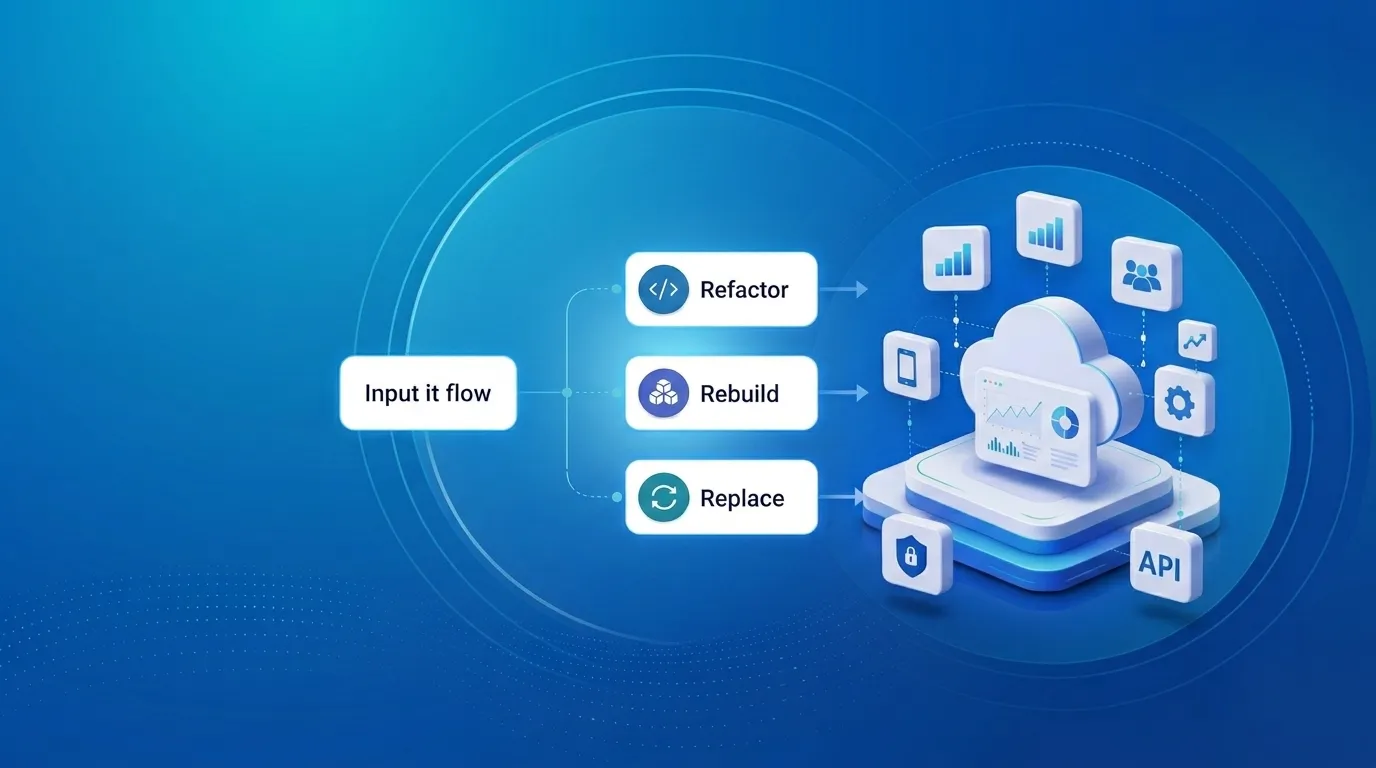
Upgrading Legacy Systems: From Outdated Technology to Competitive Advantage
Learn how to upgrade legacy systems through application modernization, API integration, cloud migration, security improvements, and incremental system upgrades without disrupting business operations.
Read More
Building Distributed Tracing and Observability with AWS X-Ray
A practical guide to correlating requests across a multi-tier application using correlation IDs, AWS X-Ray segments, and structured logging for faster incident debugging.
Read More
Designing Before and After AI: What Really Changed
A look at how AI has transformed UI/UX design from manual wireframes and slow research to AI-assisted prototyping, design-to-code, and personalization at scale.
Read More
Beyond Prompting: Managing Context and Tokens in AI Coding Tools
Ever wondered why your AI coding agent starts losing context or hits a hard limit mid-task? The answer lies in tokens and the context window. Good AI coding is not about giving the model the most information. It is about giving it the right information at the right time.
Read More
What Is llms.txt? How It Helps Google, AI Search, and Agentic Browsing Find Your Website
Learn what llms.txt is, how it differs from sitemap.xml and robots.txt, and how it can help your site get found by Google, AI search tools, and AI agents.
Read More