
AI-Powered Analytics (How MCP Enables Self-Service Reporting Without Developers)

Got a project?
Let's discuss your project
Previously: We discovered that MCP acts as a universal translator between AI and your applications, enabling natural language interaction without changing your core systems. Now let's explore one of the most powerful real-world applications.
The Analytics Bottleneck
One of the most powerful applications of MCP is enabling self-service analytics Product owners, managers, and business analysts can generate reports and insights without waiting for developers to build custom dashboards or write SQL queries.
The Traditional Problem
In most organizations, getting business insights requires:
• Submitting a request to the development team
• Waiting days or weeks for a custom report to be built
• Explaining requirements that might get lost in translation
• Receiving a static report that may not answer all questions
• Requesting modifications and waiting again
This process is slow, expensive, and frustrating for everyone involved.
The MCP Solution
With MCP, product owners can simply ask questions in natural language. Here are examples of queries that used to require developer involvement:
• "Generate a report of resource utilization by department for the last quarter"
• "Show me trends comparing this month's performance to last month"
• "What's the average duration of scheduled resources this year?"
• "Which time slots have the highest demand?"
Let's Build Something Great Together
Ready to transform your idea into a powerful software solution? Talk to our experts and get a free consultation.
Contact Us
• "Compare utilization rates across different resource types"
How It Works Behind the Scenes
When someone asks an analytical question, MCP handles the complexity:
| Step | What Happens |
|---|---|
| 1. Query Understanding | The AI parses the natural language question and identifies what data is needed. |
| 2. Tool Selection | The appropriate MCP analytics tools are called with the right parameters. |
| 3. Data Retrieval | Your application's existing reporting infrastructure is used (no new code needed). |
| 4. Analysis | The AI can perform additional analysis, comparisons, and calculations. |
| 5. Presentation | Results are formatted in a clear, conversational way. |
Real-World Use Cases
Natural Language Queries
User: "Show me all available resources next week"
AI: "I found 15 available resources for next week. Would you like to see them grouped by type, or filtered by a specific criteria?"
Instead of navigating complex filters and search interfaces, users can simply ask questions in natural language. The AI understands the intent, calls the appropriate MCP tools, and presents the results conversationally.
Data Analysis and Insights
User: "What are the busiest days this month?"
AI: "Based on the data, Tuesdays and Thursdays are your busiest days, with an average of 45 scheduled resources. Mondays are the lightest with only 12. Would you like me to show you a breakdown by resource type?"
Users can ask analytical questions without writing SQL queries or building reports. The AI understands the question, retrieves the relevant data, performs the analysis, and presents insights in plain language.
Benefits for Product Owners
| Traditional Approach | MCP-Enabled Approach |
|---|---|
| Wait days/weeks for reports | Get instant answers |
| Requires SQL knowledge | Ask questions in plain English |
| Static, predefined reports | Dynamic, ad-hoc analysis |
| Developer dependency | Self-service capability |
| Limited to pre-built queries | Unlimited question variations |
Real-Time Insights: Because MCP tools connect directly to your application's data, the insights are always current. There is no need to wait for data warehouses to update or ETL processes to complete. Product owners can ask questions and get answers based on the latest information available.
What About System Performance?
This all sounds powerful, but what happens when multiple users start asking complex analytical questions simultaneously? Won't that overwhelm your systems? In Episode 3, we will tackle Rate Limiting: Protecting Your System, where you will learn how to keep your AI-powered applications fast, reliable, and protected from overload.
AI Writes the Code • Stop Blindly Shipping It Without Reviewing the Engineering
A practical perspective on AI-generated code, scalability, maintainability, and engineering judgment and why engineering review still owns the final decision.
Read More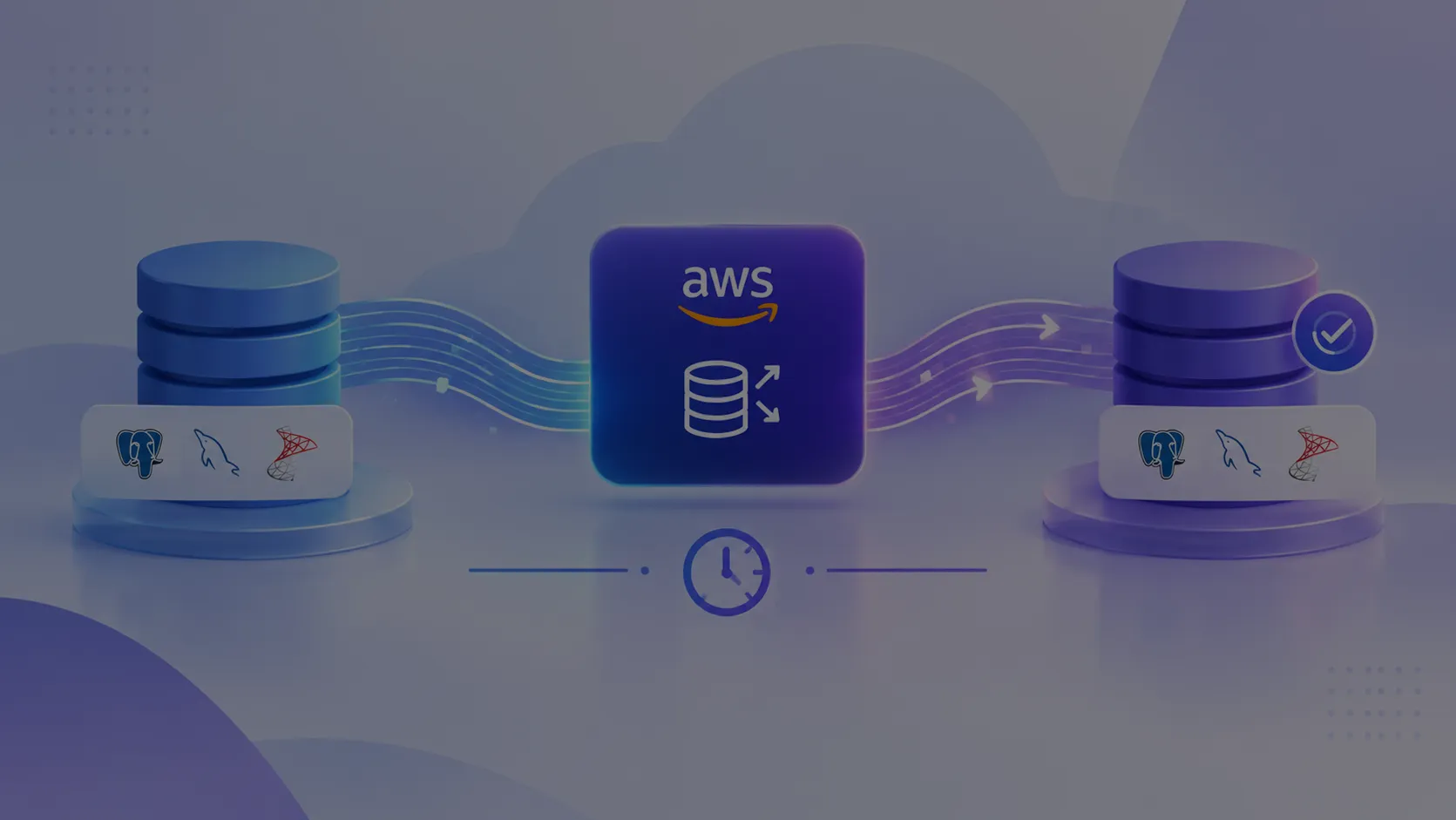
Migrating Databases with AWS DMS With Nearly Zero Downtime
Learn how to migrate databases using AWS DMS with nearly zero downtime using Full Load, CDC, validation, monitoring, and controlled cutover.
Read More
How to Add LiveKit Video Calling to a Next.js App
Add embedded video & audio calling to Next.js with LiveKit Cloud. Compared vs Twilio, Daily, Agora, Zoom — plus token auth, guests & recording.
Read More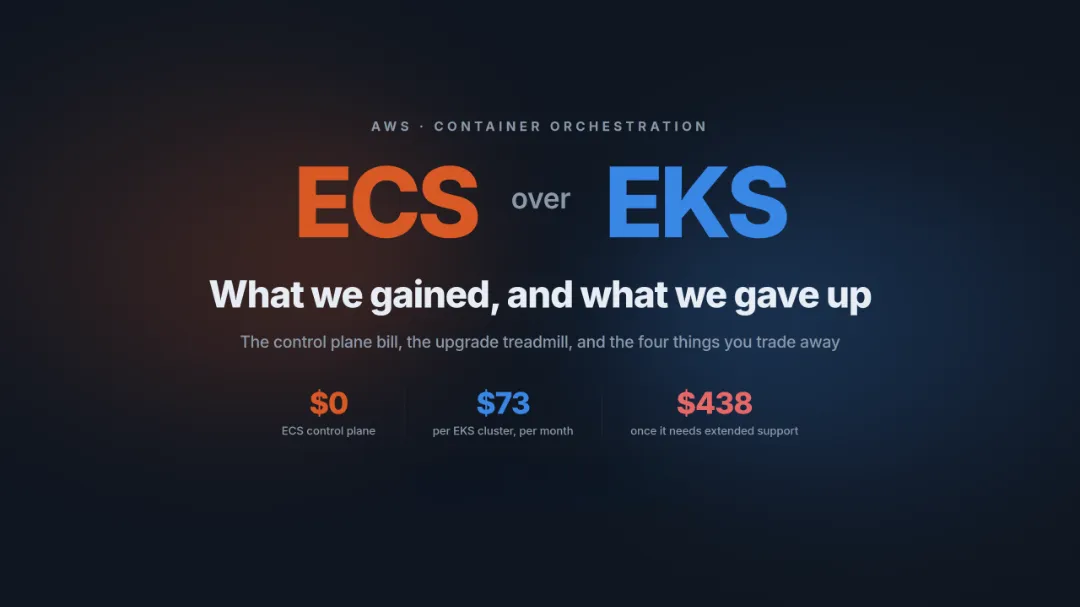
We chose ECS over EKS: what we gained and what we gave up
An honest comparison of ECS vs EKS the costs, tradeoffs, and real-world reasoning behind choosing ECS for a production platform on AWS.
Read More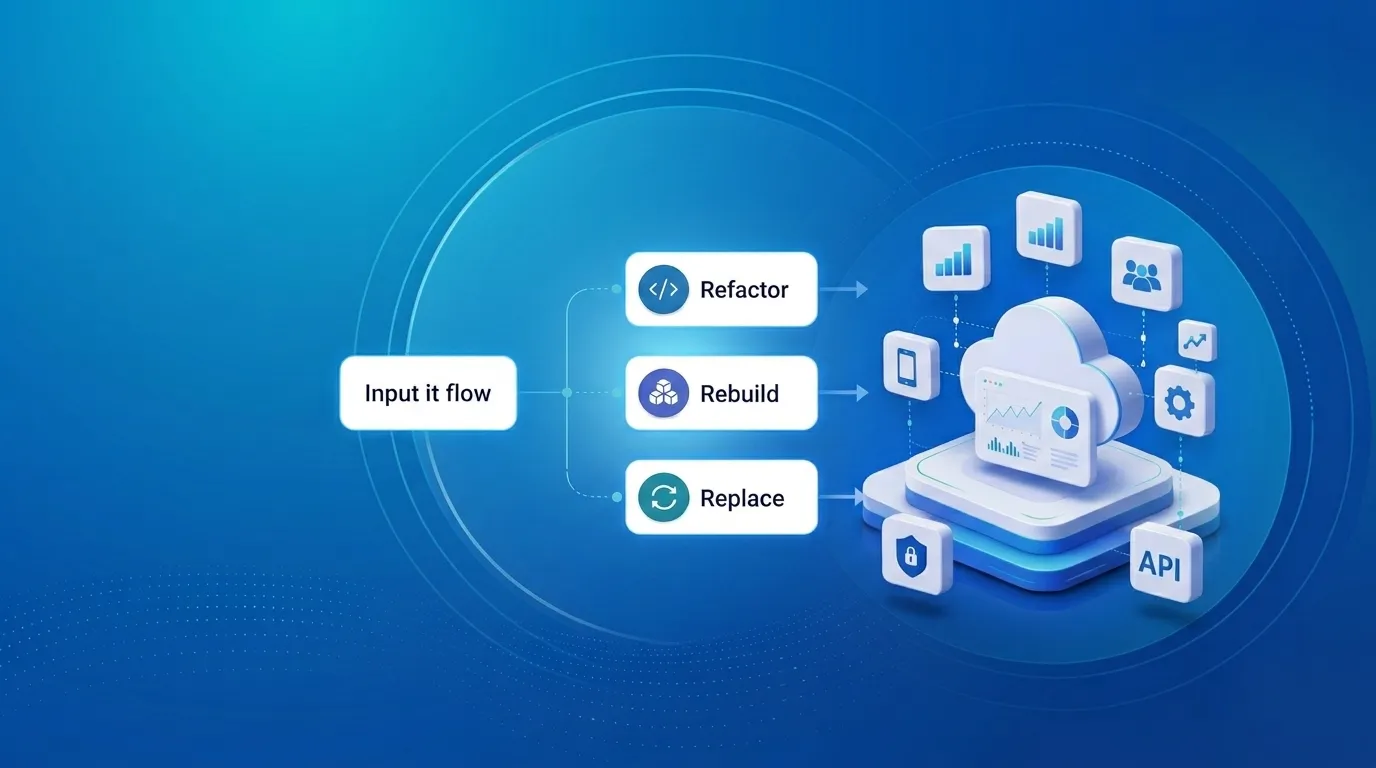
Upgrading Legacy Systems: From Outdated Technology to Competitive Advantage
Learn how to upgrade legacy systems through application modernization, API integration, cloud migration, security improvements, and incremental system upgrades without disrupting business operations.
Read More
Building Distributed Tracing and Observability with AWS X-Ray
A practical guide to correlating requests across a multi-tier application using correlation IDs, AWS X-Ray segments, and structured logging for faster incident debugging.
Read More
Designing Before and After AI: What Really Changed
A look at how AI has transformed UI/UX design from manual wireframes and slow research to AI-assisted prototyping, design-to-code, and personalization at scale.
Read More
Beyond Prompting: Managing Context and Tokens in AI Coding Tools
Ever wondered why your AI coding agent starts losing context or hits a hard limit mid-task? The answer lies in tokens and the context window. Good AI coding is not about giving the model the most information. It is about giving it the right information at the right time.
Read More
What Is llms.txt? How It Helps Google, AI Search, and Agentic Browsing Find Your Website
Learn what llms.txt is, how it differs from sitemap.xml and robots.txt, and how it can help your site get found by Google, AI search tools, and AI agents.
Read More