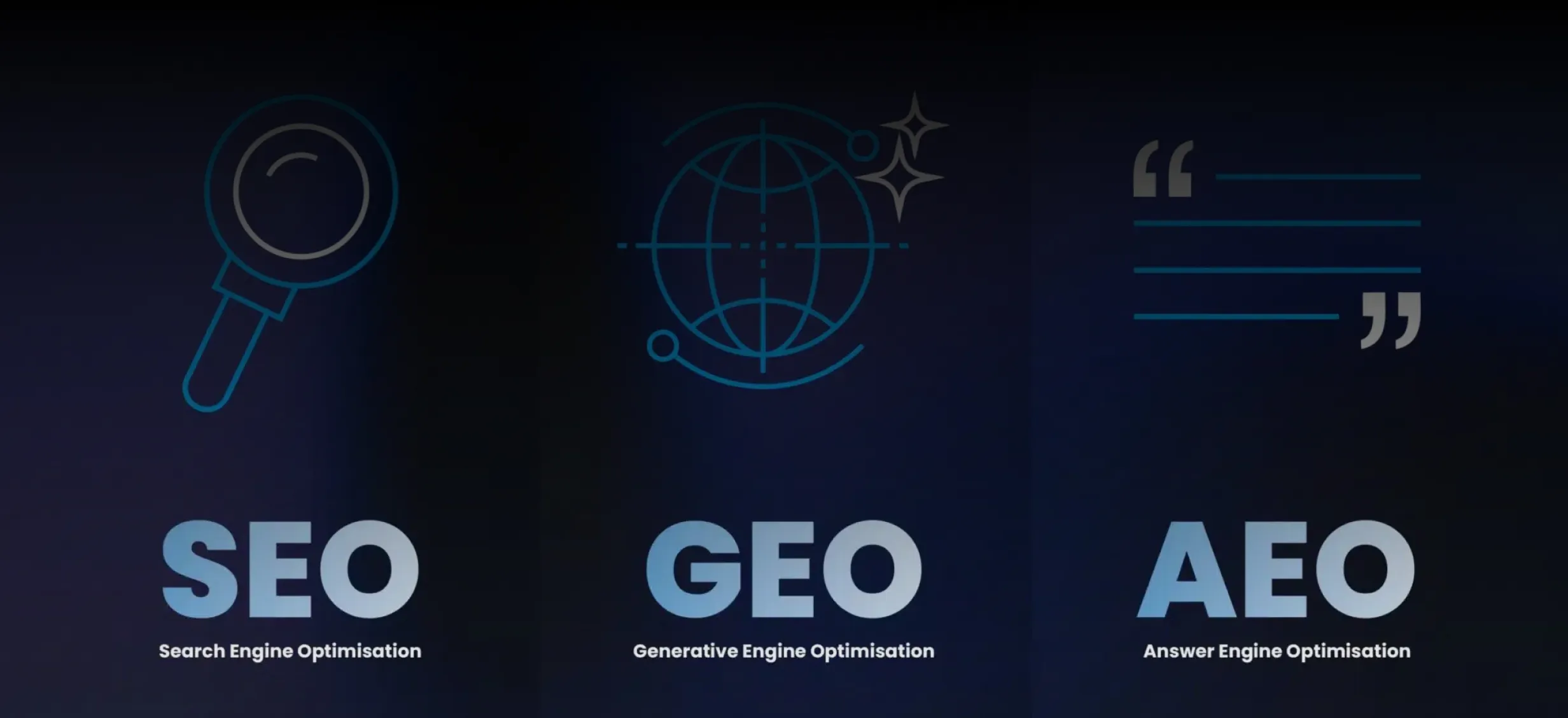
From SEO to AEO & GEO: Why QA Teams Will Own Search Visibility in the AI Era

Introduction
Search is no longer just a list of links. It’s becoming a decision layer, A place where users expect an immediate, synthesized answer, a recommendation, or a next action. With Google rolling out AI Overviews and other platforms pushing conversational discovery, the question for modern digital teams is shifting from:
"“Do we rank?” to “Do we get selected, summarized, and cited?”"
That shift is not only a marketing story; it’s a quality engineering story. The next evolution of SEO will be built like software: measurable, testable, observable, and resilient.
Google itself framed AI Overviews as an experience that uses generative AI to “take more of the legwork out of searching,” expanding how users consume results.
The new SEO vocabulary every QA should know
Traditional SEO is still foundational (crawlability, indexability, page experience), but it’s now part of a wider optimization set:
- SEO → Rank pages in search results
- AEO → Be the direct answer
- GEO → Be cited inside AI-generated answers
- LLMO → Be consistently understood by AI systems
AEO - Answer Engine Optimization
AEO focuses on making your content the direct answer surfaced by systems that return responses (featured snippets, voice assistants, chat-based search).
GEO - Generative Engine Optimization
GEO targets visibility inside AI-generated responses, where an engine retrieves sources, synthesizes them, and often provides citations or references.
LLMO - Large Language Model Optimization
LLMO is an emerging umbrella term for optimizing your site, content, and brand presence so LLM-driven experiences can understand, retrieve, and cite you accurately.
These aren’t just buzzwords. They are signals that discovery is moving into a generated interface, and that interface rewards structured truth, not just keyword coverage.
We’re already seeing how small regressions create outsized AI failures:
- 1A canonical tag change causes an AI overview to surface the wrong product page
- 2A schema mismatch leads to an outdated or incorrect AI-generated summary
- 3A performance regression reduces crawl frequency, silently removing pages from AI retrieval
These are not marketing mistakes. They’re release-quality failures.
Why this becomes a QA/SQA responsibility (not only a marketing one)
In the AI era, visibility is increasingly a function of system quality:
- 1Can crawlers consistently access and render your critical pages?
- 2Do you ship metadata, schema, canonicals, and sitemaps without regressions?
- 3Do you maintain performance, accessibility, and stability across releases?
- 4Are your facts consistent across pages, docs, changelogs, and knowledge bases?
- 5Can machines extract “the answer” without guessing?
Those are all non-functional requirements and that is SQA territory.
In practice, teams are starting to treat “Search Visibility” as a reliability target similar to uptime or latency. A modern QA can address this through Search Quality Engineering (SQE), applying quality assurance specifically to ensure content discoverability.
SQE applies SQA principles to SEO/AEO/GEO outcomes.
A practical SQE framework for AEO/GEO readiness
1) Define “search acceptance criteria” like product requirements
Before you test, you need explicit pass/fail rules. Example criteria:
- 1Indexing: new product/service pages must be discovered and indexed within X days.
- 2Snippet fidelity: titles/descriptions must reflect the correct positioning and avoid truncation for priority pages.
- 3Schema validity: structured data must validate and match on-page content.
- 4Performance budgets: Core Web Vitals thresholds and Lighthouse targets for key templates.
- 5AI extractability: pages must include a clear “answer block” for top intents.
This moves SEO from “hope it works” to definition of done.
2) Shift-left: Run automated “SEO unit tests” in CI/CD
If you can break payment flows with a regression, you can also break canonicals, robots directives, schema, or internal linking.
Add pipeline checks such as:
- 1Robots & meta robots check (no accidental, no-index, no-follow)
- 2Canonical validation (avoid self-referential mistakes and duplicate canonicals)
- 3Sitemap freshness checks (new URLs appear, removed URLs are pruned)
- 4Schema validation (JSON-LD syntax + required properties for your type)
- 5Accessibility + performance checks (Lighthouse/Playwright audits)
- 6Redirect rules verification (no redirect chains, no loops, correct status codes)
This is where QA engineering shines, you already build test harnesses and gates.
3) Introduce “Answerability Tests” for AEO
AEO is about being the cleanest, most direct answer. QA can validate this with structured tests:
- Does the page contain a single, unambiguous definition near the top?
- Are there step-by-step instructions where relevant?
- Is there a short TL;DR that an engine can quote without distortion?
- Are FAQs written as real questions users ask (not marketing headings)?
- Are claims backed by supporting context (numbers, constraints, caveats)?
Think of this as testing for content determinism: can the machine extract the intended answer consistently?
4) GEO/LLMO testing: Verify “citation readiness”
Generative engines often retrieve from multiple sources and then synthesize. Your job is to make retrieval easy and synthesis safe.
QA GEO checklist:
- Entity consistency: company name, service names, product terms used consistently across pages.
- Structured sections: clear headings and stable anchors (engines love predictable structure).
- Reference-friendly blocks: definitions, tables, pros/cons, and comparison sections that can be cited.
- Trust signals: author, last updated, contact, policies, and verifiable credentials where applicable.
- Avoid contradiction: same feature described three different ways across three pages causes AI hallucination risk.
Conductor describes GEO as optimizing for visibility and citations within AI-powered search experiences.
5) Observability: Monitor search like production reliability
Classic SEO reporting is often slow and reactive. SQE treats search like a Site Reliability Engineering (SRE) problem:
- Synthetic monitoring for critical URLs (crawl + render checks)
- Index coverage alerts
- Schema error alerting
- Performance regression alerts by template
- SERP snippet drift tracking (titles/descriptions changing unexpectedly)
Conclusion
AI-generated search experiences raise the stakes for accuracy, structure, and consistency. When engines summarize, they compress nuance and that compression can amplify errors or misinterpretations. As public scrutiny around AI summaries grows, the value of trustworthy, machine-verifiable sources increases.
The organizations that win won’t be the ones that publish more content. They’ll be the ones that ship quality signals reliably every release, every template, every time. In the AI era, SEO doesn’t disappear. It becomes engineering.
That means QA teams should treat search visibility as a release-level quality gate. If you already test uptime, performance, and accessibility, you should also test indexability, structured data, and AI-readable signals as part of your Definition of Done.

What Is llms.txt? How It Helps Google, AI Search, and Agentic Browsing Find Your Website
Learn what llms.txt is, how it differs from sitemap.xml and robots.txt, and how it can help your site get found by Google, AI search tools, and AI agents.
Read More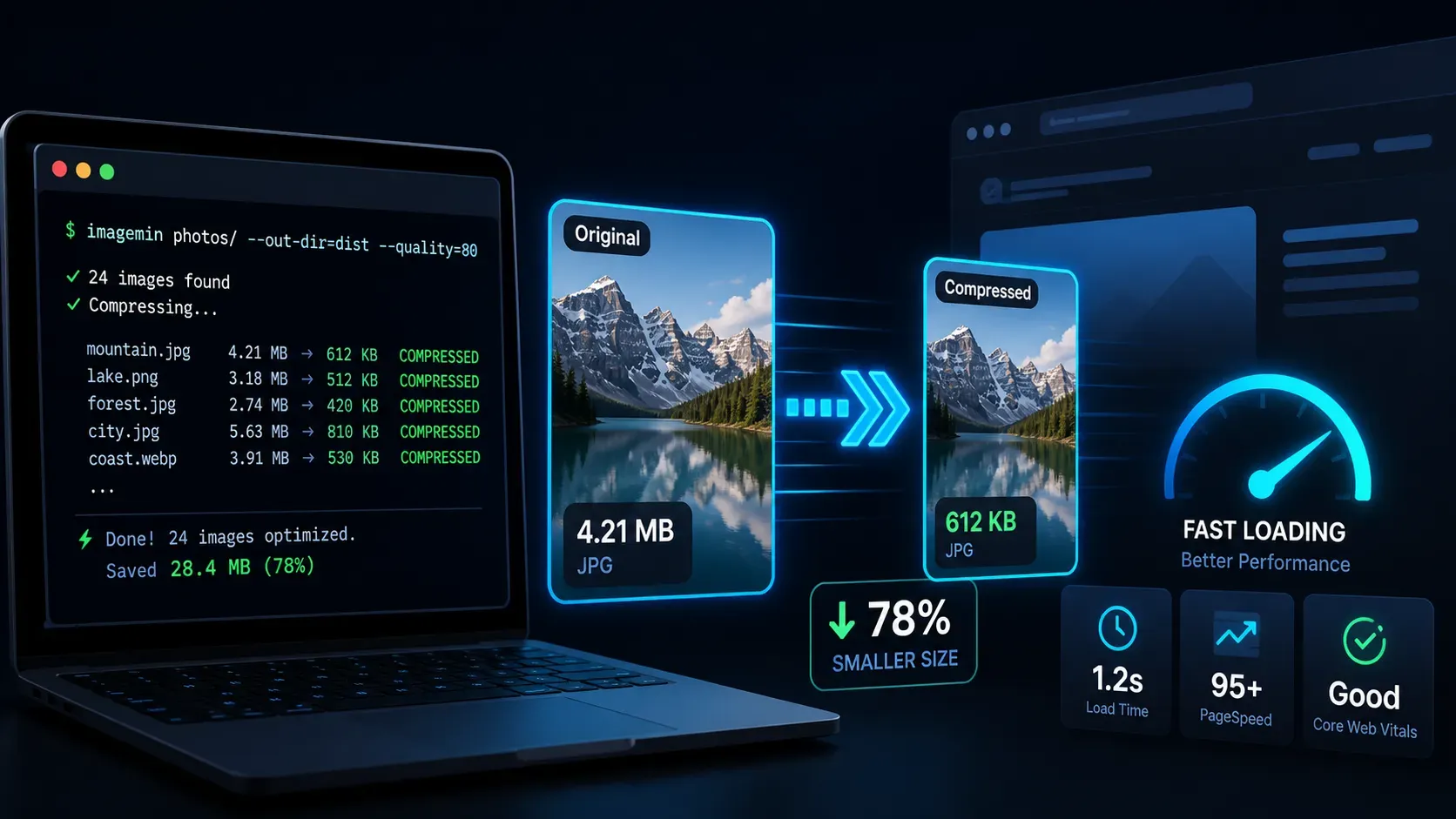
Build an Automated Image Compression Script with Sharp and SVGO
Compress images from the terminal with a Node.js script powered by Sharp and SVGO a safe, two-step workflow that keeps your site fast without bloating your repo.
Read More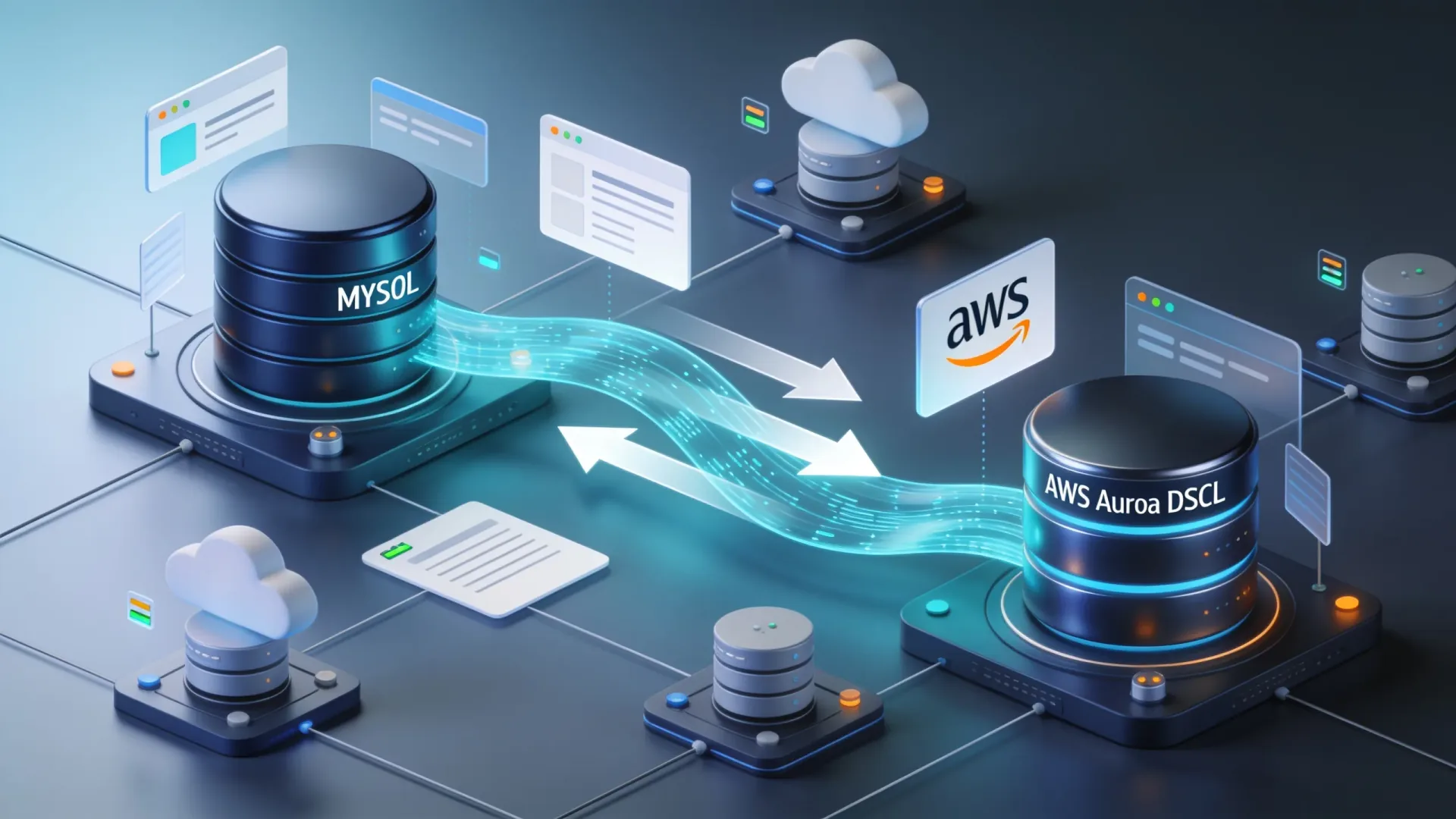
The Right Way to Migrate from MySQL to AWS Aurora DSQL
Migrating a production database is one of the highest-risk changes you can make to an application. Moving from MySQL to AWS Aurora DSQL raises the stakes further...
Read More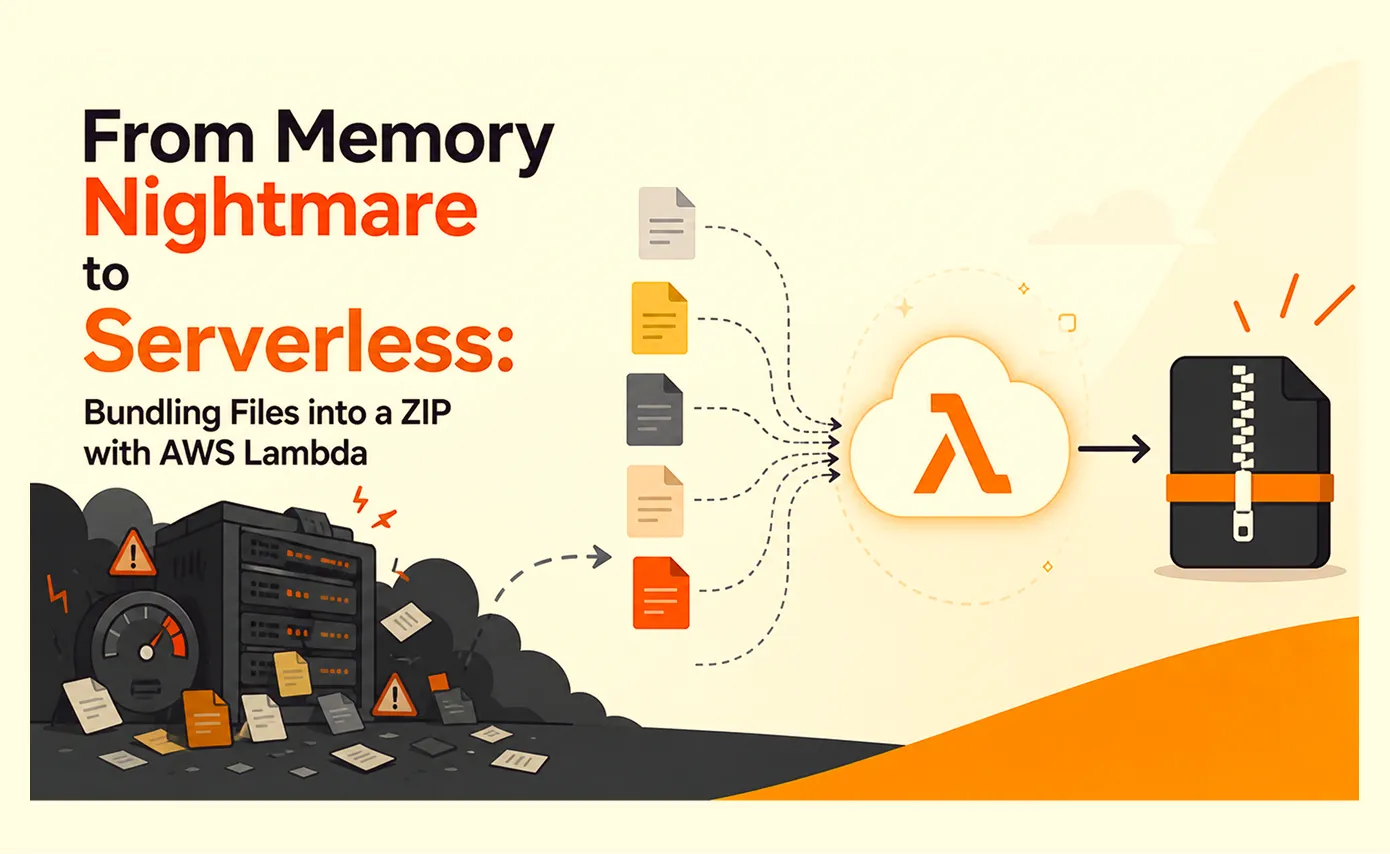
From Memory Nightmare to Serverless: Bundling Files into a ZIP with AWS Lambda
A straightforward 'download all these files as one ZIP' request that worked perfectly on my laptop and... fell over the first day it met real production load. Here's the debugging story, the scaling options I ruled out, and why AWS Lambda was the right answer.
Read More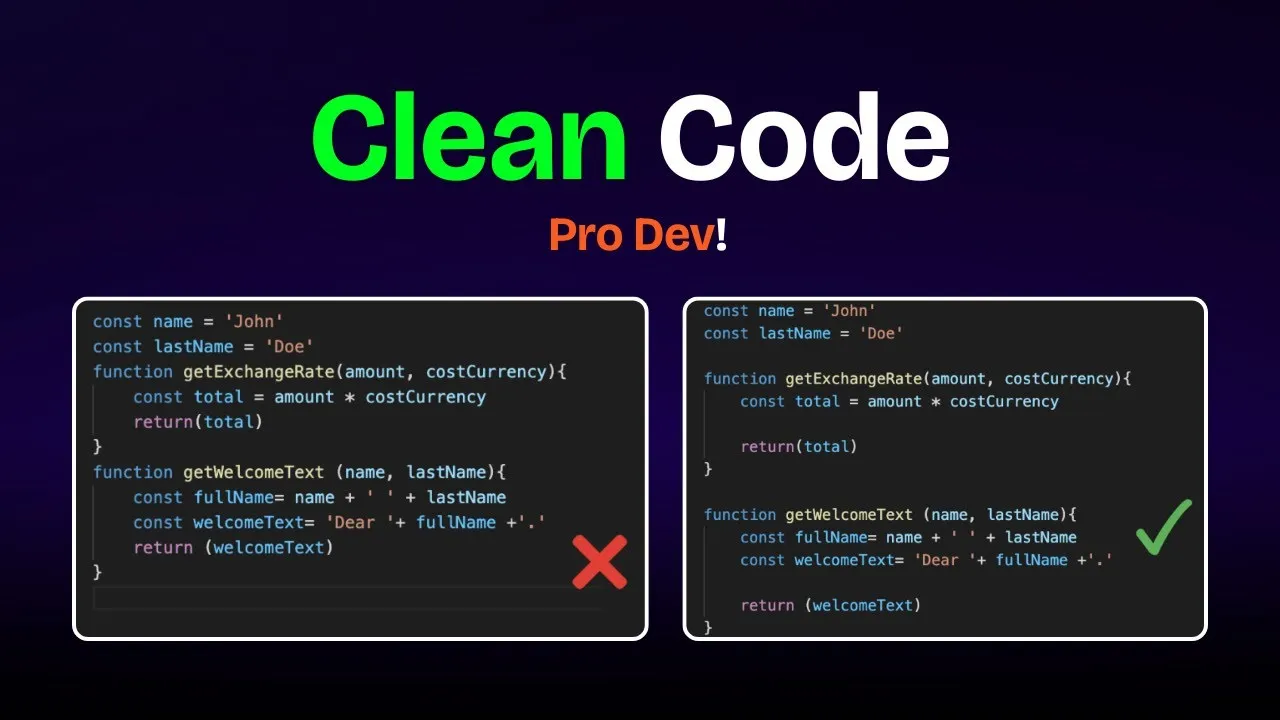
Clean Code vs. Overengineering: Where Should Developers Draw the Line?
Clean code reduces unnecessary complexity; overengineering invents it. A practical guide to using context, evidence, and the cost of change to know when to stop adding abstractions...
Read More
Kafka vs RabbitMQ vs AWS EventBridge: Choosing the Right Architecture Based on Business Requirements
Compare Kafka, RabbitMQ, and AWS EventBridge based on scalability, routing, event streaming, replay, infrastructure, and business requirements to choose the right architecture...
Read More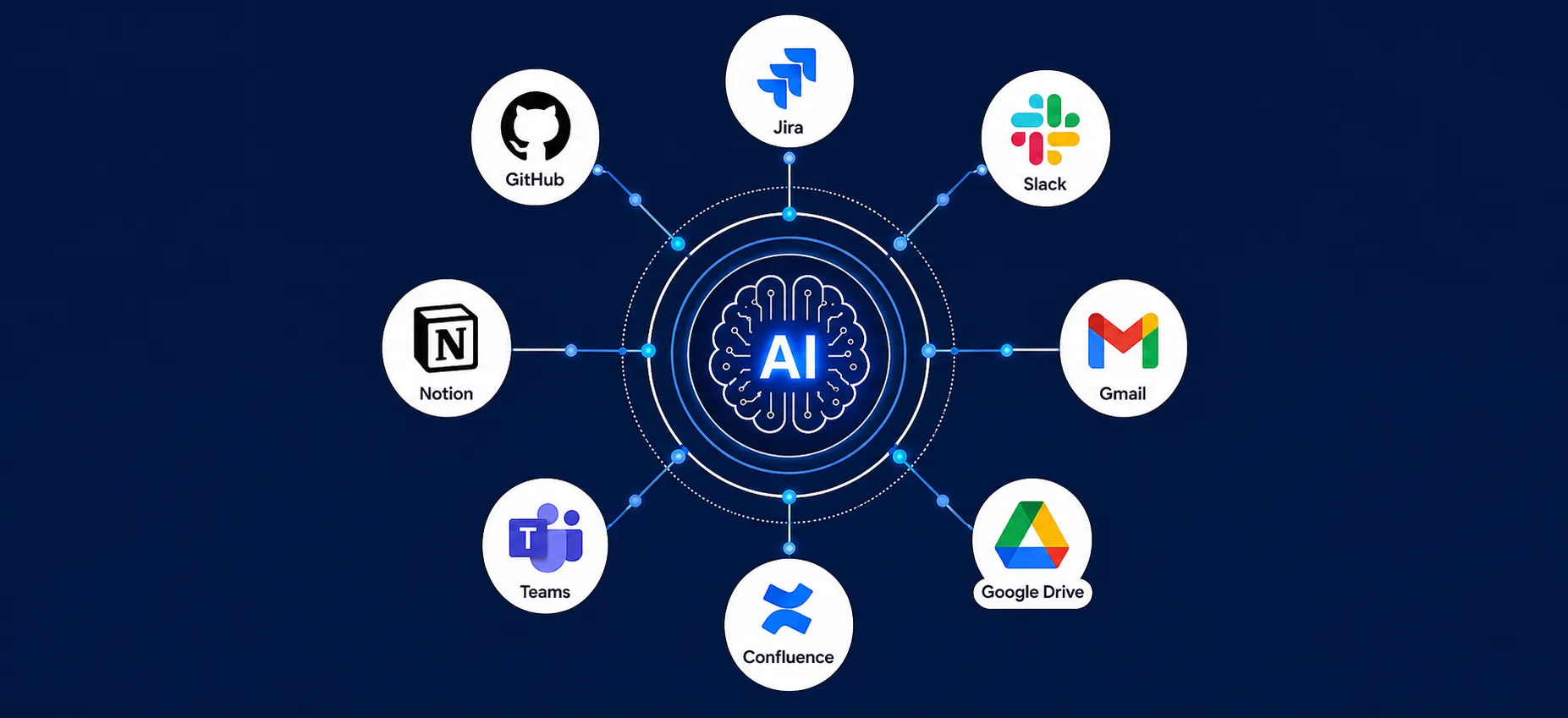
AI Integrations for QA Engineers
Learn how QA engineers can connect AI with Jira, GitHub, Slack, Notion and other tools to improve testing, bug tracking, reporting and QA productivity...
Read More
The Ultimate Guide to Amazon SES Setup with GoDaddy DNS
Learn how to set up Amazon SES with GoDaddy DNS. Complete step-by-step guide covering Easy DKIM, SPF, DMARC, custom MAIL FROM, and exiting the SES Sandbox...
Read More
AWS DevOps Agent Setup Guide with EC2
Learn how to set up AWS DevOps Agent with EC2, CloudWatch, IAM, and Agent Spaces for AI-assisted monitoring, incident investigation, and root-cause analysis...
Read MoreReady to Work With Us?
Most engagements start with a 20-minute conversation. No pitch, no pressure - just an honest discussion about what you're building and whether we're the right fit.