
Pros and cons of using DynamoDB

Introduction
Amazon DynamoDB has become one of the most popular NoSQL databases in the cloud, offering a fully managed, serverless experience. It’s designed to handle massive scale with minimal operational overhead. But like any technology, it comes with trade-offs. Understanding both the advantages and limitations of DynamoDB is essential for making informed architecture decisions.
Whether you’re bootstrapping a new serverless app or planning a high-traffic system, knowing the strengths and weaknesses of DynamoDB can help you leverage it effectively.
What DynamoDB Does Well
1. Fully Managed and Serverless
DynamoDB removes the operational headaches of traditional databases. There are no servers to provision, patch, or scale manually. AWS automatically manages replication, backups, and scaling, allowing you to focus on building features instead of managing infrastructure.
2. High Performance at Scale
DynamoDB offers predictable single-digit millisecond response times even at massive scale. With its provisioned or on-demand capacity modes, your application can handle sudden traffic spikes without performance degradation.
3. Flexible Data Model
DynamoDB’s schema-less design allows you to store different types of data in the same table. This is particularly useful for evolving applications where requirements change frequently. Combined with the single-table design approach, it can support multiple access patterns efficiently.
4. Integration with AWS Ecosystem
DynamoDB integrates seamlessly with AWS Lambda, API Gateway, EventBridge, and S3. You can trigger Lambda functions on table updates, stream data for analytics, or manage events asynchronously without writing complex infrastructure code.
5. Built-in Security and Availability
With encryption at rest, fine-grained IAM policies, and automatic replication across availability zones, DynamoDB provides robust security and high availability out of the box.
The Limitations of DynamoDB
1. Querying Constraints
While DynamoDB is fast, it isn’t a relational database. Complex queries like joins, groupings, or full-text searches require workarounds, such as denormalizing data or using secondary indexes. Developers need to carefully design access patterns upfront.
2. Limited Transaction Support
DynamoDB supports transactions, but they’re limited compared to traditional relational databases. Multi-item transactions exist, but performance can degrade for very large operations.
3. Eventual Consistency
By default, DynamoDB uses eventually consistent reads. This means there may be a slight delay before a write is visible in all reads. Strongly consistent reads are available but come at higher latency and cost.
4. Steep Learning Curve for Advanced Patterns
Using DynamoDB effectively often requires mastering its single-table design patterns, secondary indexes, and partition keys. For teams coming from relational databases, this can be a significant shift in mindset.
When to Use DynamoDB
- High scalability and low-latency access at scale
- Serverless applications with minimal operational overhead
- Flexible or evolving data models
- Event-driven architectures where triggers are essential
It may not be ideal if your application requires:
- Complex relational queries or joins
- Heavy transactional processing with many multi-item operations
- Frequent ad-hoc reporting or analytics directly from the database
Conclusion
Amazon DynamoDB is a powerful, serverless NoSQL database with excellent scalability, performance, and tight integration with the AWS ecosystem. Its fully managed nature makes it ideal for modern applications, especially in serverless architectures.
However, it’s not a one-size-fits-all solution. Understanding its limitations, such as query constraints, pricing nuances, and transactional limits, is crucial to avoid pitfalls. By leveraging DynamoDB where it shines, and combining it with other AWS services when necessary, you can build fast, scalable, and resilient applications.
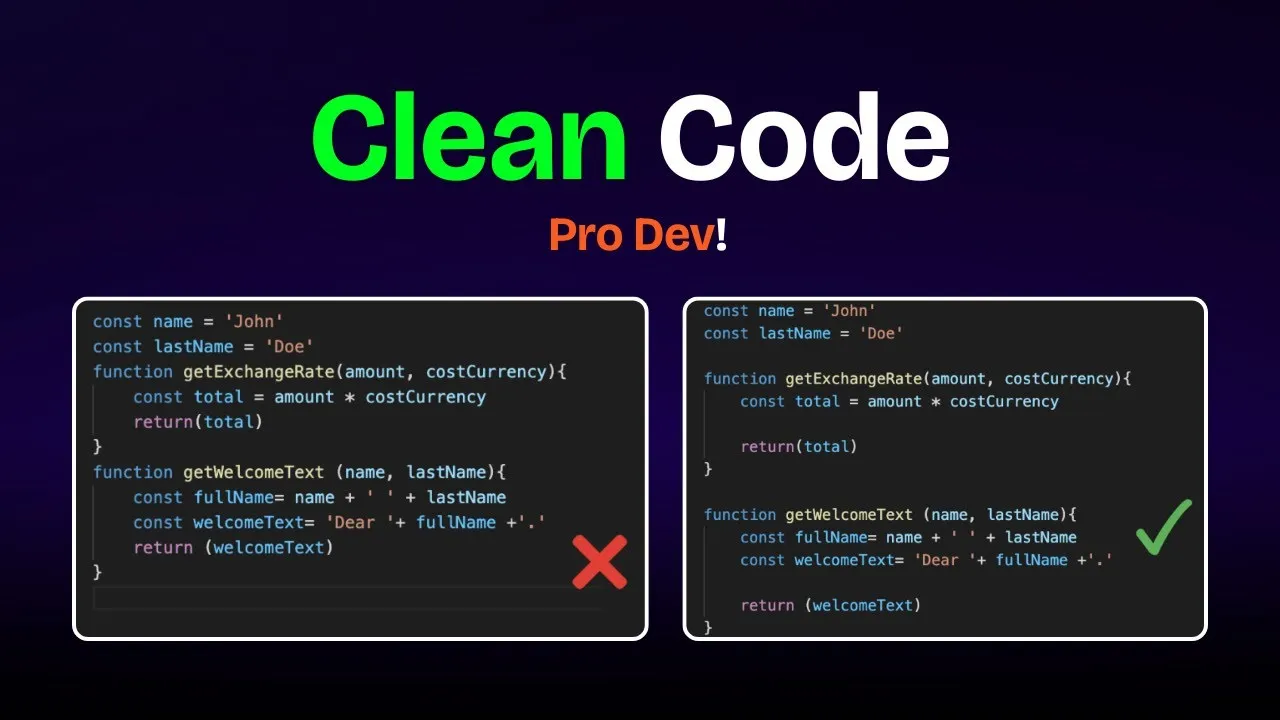
Clean Code vs. Overengineering: Where Should Developers Draw the Line?
Clean code reduces unnecessary complexity; overengineering invents it. A practical guide to using context, evidence, and the cost of change to know when to stop adding abstractions...
Read More
Kafka vs RabbitMQ vs AWS EventBridge: Choosing the Right Architecture Based on Business Requirements
Compare Kafka, RabbitMQ, and AWS EventBridge based on scalability, routing, event streaming, replay, infrastructure, and business requirements to choose the right architecture...
Read More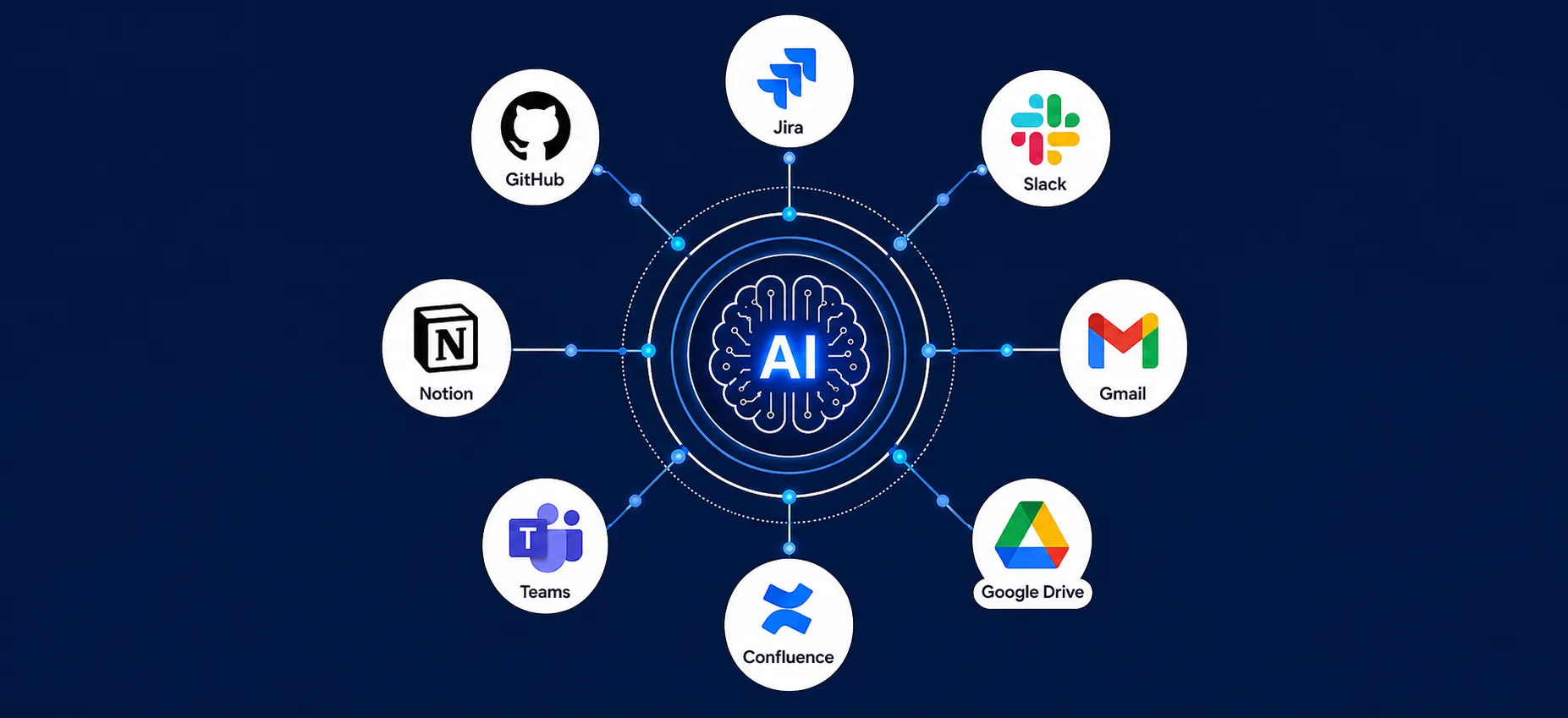
AI Integrations for QA Engineers
Learn how QA engineers can connect AI with Jira, GitHub, Slack, Notion and other tools to improve testing, bug tracking, reporting and QA productivity...
Read More
The Ultimate Guide to Amazon SES Setup with GoDaddy DNS
Learn how to set up Amazon SES with GoDaddy DNS. Complete step-by-step guide covering Easy DKIM, SPF, DMARC, custom MAIL FROM, and exiting the SES Sandbox...
Read More
AWS DevOps Agent Setup Guide with EC2
Learn how to set up AWS DevOps Agent with EC2, CloudWatch, IAM, and Agent Spaces for AI-assisted monitoring, incident investigation, and root-cause analysis...
Read More
Multi-Tenancy Patterns in DynamoDB: Silo, Pool, and Bridge Models
If you've already made the jump from a relational database to DynamoDB see our guide on moving relational data from SQL to DynamoDB...
Read More
We stopped leaving the IDE to design. Here’s our Cursor → Figma flow
Cursor drafts fast, catches gaps early, and still clips fields and breaks layouts. Here's the real pros-and-cons breakdown of our workflow...
Read More
AWS DevOps Agent: How AI is Automating On-Call Incident Response
If you've ever been on call during a production outage, you know how stressful it can be. Alerts start firing, dashboards light up, and suddenly you're jumping between monitoring tools...
Read More
Catch Missing Images Before Deploy: A Simple Pre-Build Script for Next.js
How Omax Tech added a lightweight image validation gate to Next.js 15 builds on Vercel...
Read MoreReady to Work With Us?
Most engagements start with a 20-minute conversation. No pitch, no pressure - just an honest discussion about what you're building and whether we're the right fit.