
Why Building the Right MVP Architecture No Longer Slows You Down

Introduction
For years, startups were told the same advice:
"Just build a simple monolith for your MVP. You can fix the architecture later."
In reality, many MVPs fail not because they scale too fast - but because they cannot scale at all.
In today’s AI-accelerated, cloud-native era, building a clean, scalable architecture does not take months. Read our AI Assisted MVP Development blog for further details.
With serverless, Infrastructure as Code (IaC), and modern observability, it often takes days.
The Real Problem with “Quick-and-Dirty” Monolith MVPs
Monolithic MVPs are usually chosen to save time. But what actually happens is:
- Tight coupling between features
- Difficult deployments
- Fear of making changes
- Expensive rewrites once traction appears
What was supposed to be “temporary” architecture becomes a long-term liability.
Modern MVP Architecture Is Not Slow Anymore
This advice made sense 10 years ago.
It does not hold in today’s ecosystem.
With modern tooling, teams can:
- Define infrastructure in code
- Deploy in minutes
- Scale automatically
- Observe system behavior from day one
Good architecture is no longer heavy - it is automated.
Why Serverless Changes the MVP Equation
Serverless architecture removes entire categories of work:
- No server provisioning
- No capacity planning
- No manual scaling
- No idle infrastructure cost
You write business logic.
The platform handles execution, scaling, and availability.
For MVPs, this means:
- Faster time to production
- Lower operational overhead
- Built-in scalability from day one
Infrastructure as Code + CI/CD Enables Multiple Live Versions (Cheaply)
This is where modern MVP architecture becomes a force multiplier.
With Infrastructure as Code and proper CI/CD pipelines, teams can:
- Deploy multiple environments (dev, staging, preview, production)
- Run feature branches or experimental versions
- Spin up short-lived test environments for validation
- Tear everything down when no longer needed
In a traditional server-based setup, this would be expensive.
In a serverless setup:
- You are billed only when functions are executed
- Idle environments cost almost nothing
- Multiple versions can coexist safely
This makes it possible to:
- Test features with real users
- Run A/B experiments
- Validate ideas in parallel
- Move faster without increasing burn
"In the serverless world, experimentation is cheap - indecision is not."
Infrastructure as Code Makes “Doing It Right” Fast
Infrastructure as Code is often misunderstood as extra work.
In practice, it saves time almost immediately.
With IaC you get:
- Reproducible environments
- Version-controlled infrastructure
- One-click environment setup
- Safe and reviewable changes
Instead of clicking through cloud consoles, teams spin up complete environments in minutes.
CI/CD Turns Architecture into a Force Multiplier
Modern MVPs are not deployed once - they are deployed constantly.
With CI/CD pipelines:
- Every change is tested automatically
- Deployments are consistent and repeatable
- Rollbacks are fast and safe
- Teams ship multiple times per week (or per day)
This speed is impossible without automation.
Observability from Day One (Without Overkill)
Good observability does not mean enterprise-level dashboards.
For MVPs, the goal is simple:
- Know when something breaks
- Understand how users use the system
- Identify performance bottlenecks early
With managed logging, metrics, and alerts, this comes almost for free in modern cloud platforms.
Right Architecture vs “Fast” Architecture Is a False Tradeoff
The real tradeoff is not:
Fast MVP vs Scalable MVP
The real tradeoff is:
Manual setup vs Automated setup
Automation is what makes good architecture fast.
A Practical Reality Check
In most MVP projects today:
- Serverless backend setup: 1–2 days
- IaC baseline: 1 day
- CI/CD pipeline: 1 day
- Basic observability: same day
In less than a week, teams can have:
- A scalable foundation
- Safe deployments
- Low operational cost
- Clear upgrade paths
This is no longer “over-engineering”.
This is baseline engineering.
Final Thoughts
In the AI-accelerated era, speed comes from leverage, not shortcuts.
Serverless, IaC, CI/CD, and observability are not enterprise luxuries.
They are what allow MVPs to move fast without creating future pain.
The fastest MVP is the one you don’t have to rewrite.
How We Build MVPs
We do not treat architecture as an afterthought.
We use automation-first, serverless-first approaches so MVPs:
- Launch quickly
- Scale naturally
- Stay easy to change
- Grow without rewrites
If you want an MVP that is fast today and ready for tomorrow, let’s talk.
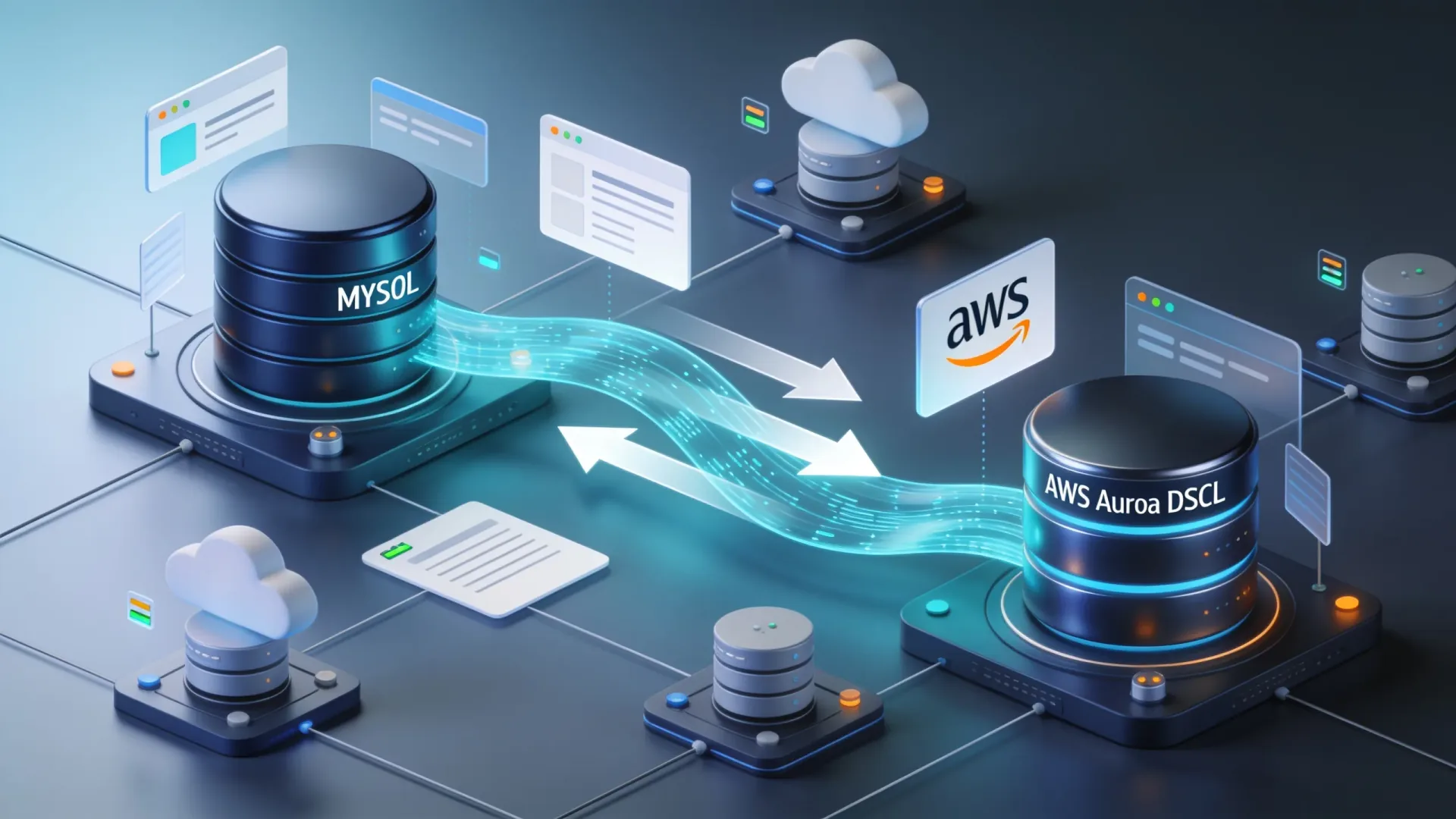
The Right Way to Migrate from MySQL to AWS Aurora DSQL
Migrating a production database is one of the highest-risk changes you can make to an application. Moving from MySQL to AWS Aurora DSQL raises the stakes further...
Read More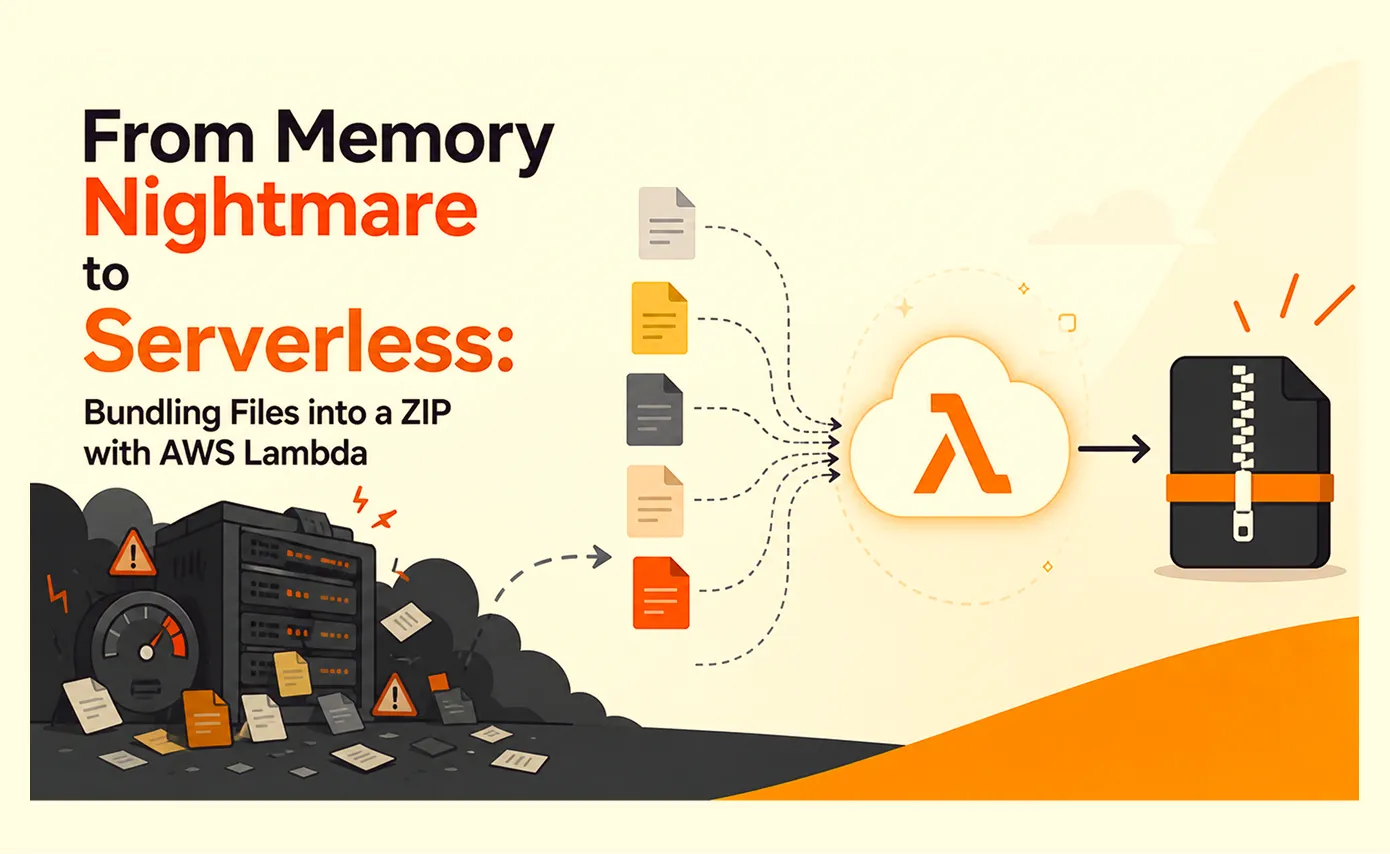
From Memory Nightmare to Serverless: Bundling Files into a ZIP with AWS Lambda
A straightforward 'download all these files as one ZIP' request that worked perfectly on my laptop and... fell over the first day it met real production load. Here's the debugging story, the scaling options I ruled out, and why AWS Lambda was the right answer.
Read More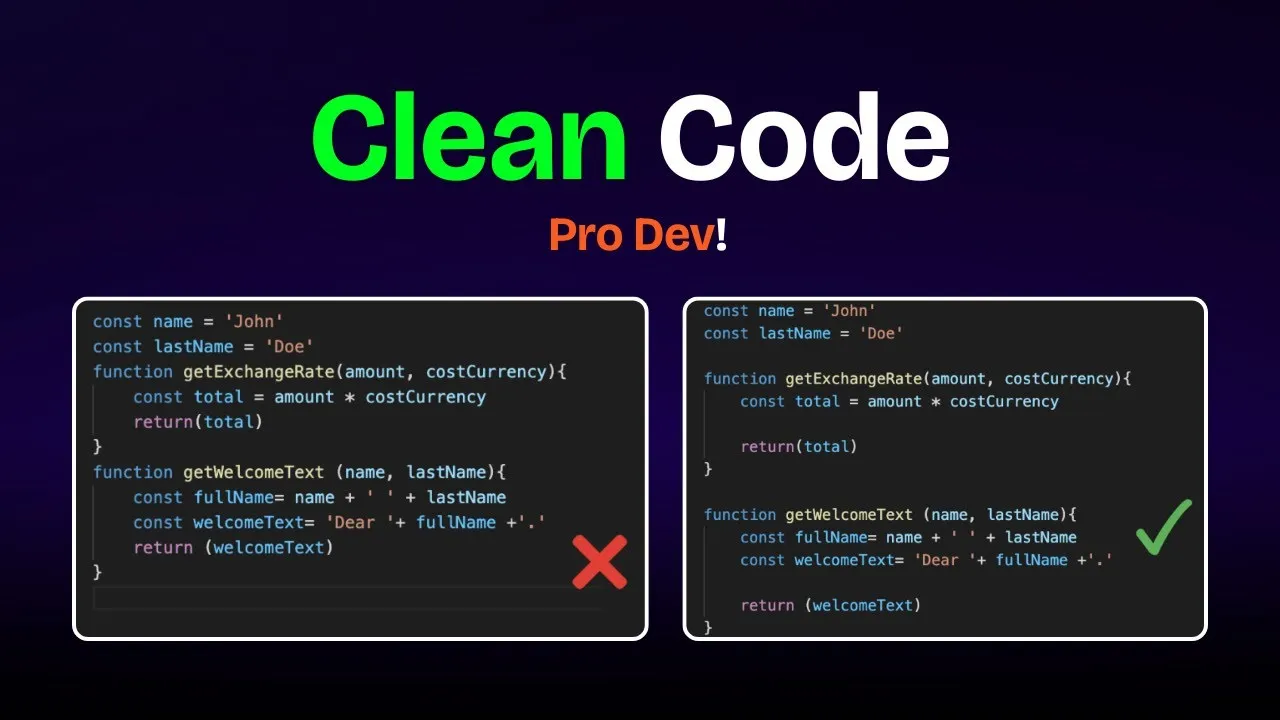
Clean Code vs. Overengineering: Where Should Developers Draw the Line?
Clean code reduces unnecessary complexity; overengineering invents it. A practical guide to using context, evidence, and the cost of change to know when to stop adding abstractions...
Read More
Kafka vs RabbitMQ vs AWS EventBridge: Choosing the Right Architecture Based on Business Requirements
Compare Kafka, RabbitMQ, and AWS EventBridge based on scalability, routing, event streaming, replay, infrastructure, and business requirements to choose the right architecture...
Read More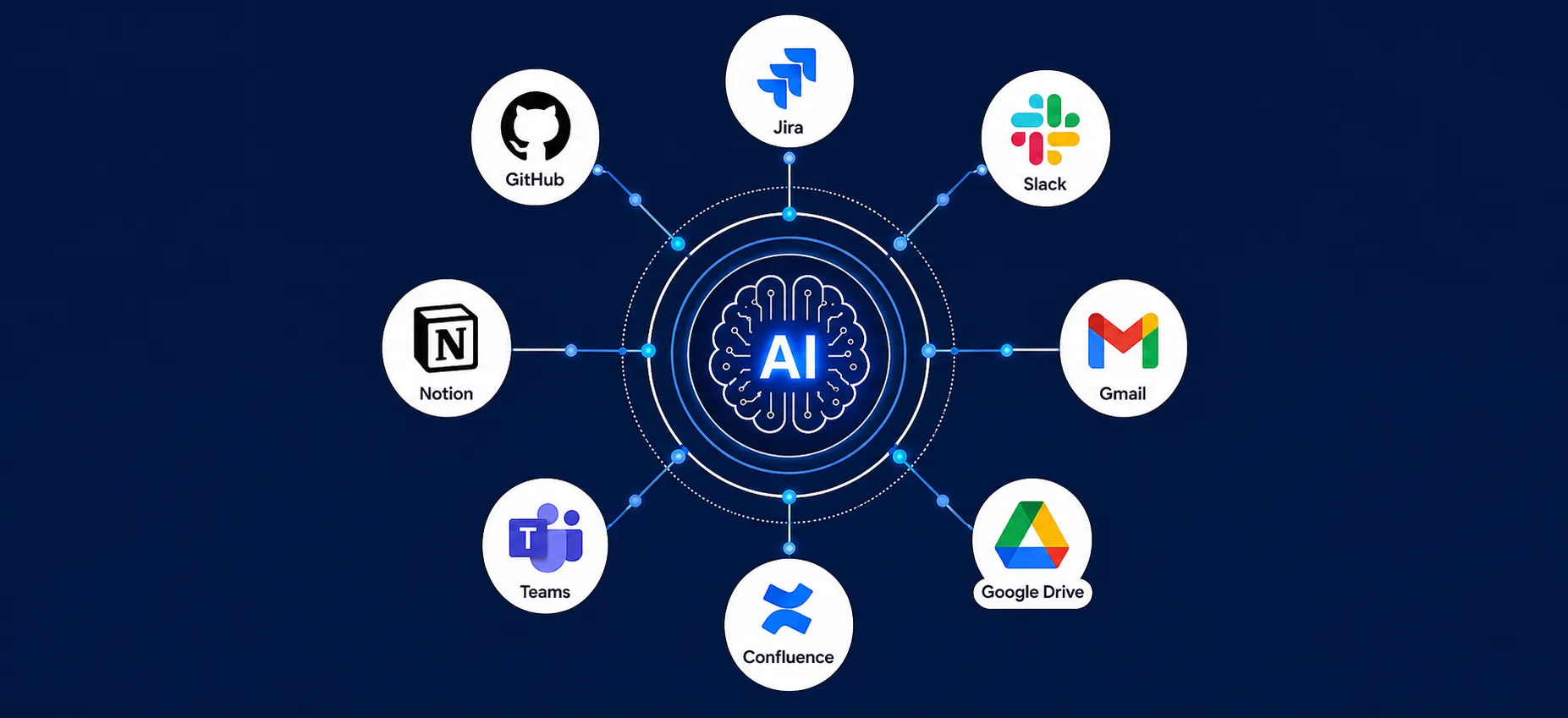
AI Integrations for QA Engineers
Learn how QA engineers can connect AI with Jira, GitHub, Slack, Notion and other tools to improve testing, bug tracking, reporting and QA productivity...
Read More
The Ultimate Guide to Amazon SES Setup with GoDaddy DNS
Learn how to set up Amazon SES with GoDaddy DNS. Complete step-by-step guide covering Easy DKIM, SPF, DMARC, custom MAIL FROM, and exiting the SES Sandbox...
Read More
AWS DevOps Agent Setup Guide with EC2
Learn how to set up AWS DevOps Agent with EC2, CloudWatch, IAM, and Agent Spaces for AI-assisted monitoring, incident investigation, and root-cause analysis...
Read More
Multi-Tenancy Patterns in DynamoDB: Silo, Pool, and Bridge Models
If you've already made the jump from a relational database to DynamoDB see our guide on moving relational data from SQL to DynamoDB...
Read More
We stopped leaving the IDE to design. Here’s our Cursor → Figma flow
Cursor drafts fast, catches gaps early, and still clips fields and breaks layouts. Here's the real pros-and-cons breakdown of our workflow...
Read MoreReady to Work With Us?
Most engagements start with a 20-minute conversation. No pitch, no pressure - just an honest discussion about what you're building and whether we're the right fit.